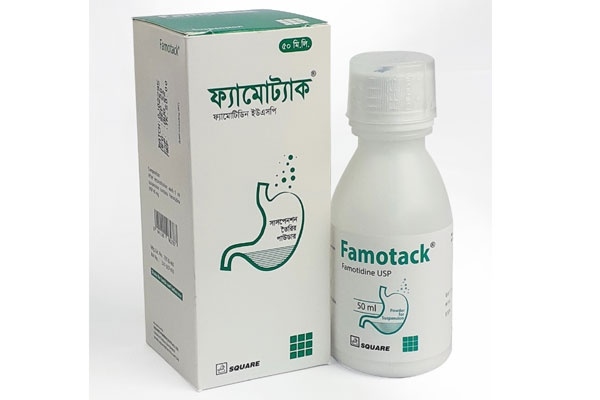
Generic medicine

Famotidine: Brands, Price & Uses in Bangladesh

Famotidine is a histamine H2-receptor antagonist used to reduce gastric acid secretion.

Forms:Powder for SuspensionTablet

About Famotidine

Indications of Famotidine

Famotidine is a histamine H2-receptor antagonist used to reduce gastric acid secretion. Its established, evidence-based uses include:

FDA-approved / established indications

  • Active duodenal ulcer - short-term treatment and maintenance therapy at reduced dosage to prevent recurrence.
  • Active benign gastric ulcer - short-term treatment.
  • Gastroesophageal reflux disease (GERD) - relief of symptomatic, non-erosive disease (heartburn) and treatment of erosive esophagitis.
  • Pathological hypersecretory conditions such as Zollinger-Ellison syndrome, either alone or as an adjunct to other therapy.

Commonly accepted additional uses

  • Relief of heartburn, acid indigestion, and sour stomach (over-the-counter strength, short-term, symptomatic relief).
  • Prevention of exercise-induced or meal-induced heartburn when taken before eating.
  • Adjunct in stress ulcer prophylaxis in critically ill patients (guideline/off-label use, typically hospital-directed).

Famotidine does not cure the underlying acid-related disorder; it controls symptoms and promotes healing while the underlying condition is managed.

Dosage & Administration of Famotidine

The dose and duration of Famotidine therapy depend on the indication being treated. It can be taken with or without food. Doses should be adjusted in patients with renal impairment (see below).

Adult Dosing by Indication

IndicationUsual adult doseTypical duration
Active duodenal ulcer40 mg once daily at bedtime, or 20 mg twice dailyUp to 8 weeks
Maintenance therapy (duodenal ulcer)20 mg once daily at bedtimeAs directed by physician
Active benign gastric ulcer40 mg once daily at bedtimeUp to 8 weeks
Symptomatic non-erosive GERD20 mg twice dailyUp to 6 weeks
Erosive esophagitis (GERD)20-40 mg twice dailyUp to 12 weeks
Pathological hypersecretory conditions (e.g. Zollinger-Ellison syndrome)Starting 20 mg every 6 hours; adjusted individually (may require higher doses)As clinically indicated
Heartburn / acid indigestion (OTC-strength use)10 mg, taken 15-60 minutes before symptoms expected or at onset of symptoms; do not exceed 2 doses in 24 hoursShort-term, symptomatic

Renal Impairment

Dosage reduction or extended dosing intervals are required when creatinine clearance is below 60 mL/min, since Famotidine is primarily renally excreted. In patients with severe renal impairment, doses are typically reduced by half or the interval extended (e.g., every other day dosing), under physician supervision.

Hepatic Impairment

No specific dosage adjustment is generally required for hepatic impairment alone, as Famotidine undergoes minimal hepatic metabolism, but caution is advised.

Side Effects of Famotidine

Famotidine is generally well tolerated. Most side effects are mild and transient.

Common side effects

  • Headache
  • Dizziness
  • Constipation
  • Diarrhea
  • Nausea and vomiting
  • Dry mouth

Less common / rare side effects

  • Fatigue and drowsiness, or insomnia
  • Confusion, agitation, hallucinations, or other CNS effects (mainly in elderly patients or those with renal impairment - see Precautions)
  • Rash or itching
  • Tachycardia or palpitations
  • Rare hematologic effects (e.g., thrombocytopenia)
  • Rare severe skin reactions (e.g., Stevens-Johnson syndrome) or anaphylaxis

Patients should seek prompt medical attention for signs of a severe allergic reaction (swelling of the face/throat, difficulty breathing, severe rash) or unusual symptoms such as severe confusion.

Contraindications of Famotidine

Famotidine is contraindicated in patients with a known history of hypersensitivity (including serious hypersensitivity reactions such as anaphylaxis) to Famotidine or to any other H2-receptor antagonist, since cross-sensitivity within this drug class has been reported.

Frequently Asked Questions about Famotidine

What is Famotidine used for?

Famotidine is used to treat and prevent acid-related conditions of the stomach and esophagus, including duodenal and gastric ulcers, gastroesophageal reflux disease (GERD), erosive esophagitis, and heartburn/acid indigestion. It works by reducing the amount of acid the stomach produces.

How quickly does Famotidine start working?

Famotidine typically begins reducing stomach acid within about 1 hour of taking a dose, with effects lasting 10-12 hours. For relief of occasional heartburn, it is usually taken 15-60 minutes before eating or at the onset of symptoms.

Can Famotidine be taken during pregnancy or while breastfeeding?

Famotidine should be used during pregnancy only if clearly needed, as there are no adequate well-controlled studies in pregnant women, and the potential benefit must be weighed against potential risk to the fetus. Famotidine also passes into breast milk, so a doctor should be consulted to decide whether to continue breastfeeding or continue the medicine while nursing.

Is Famotidine safe for elderly patients?

Famotidine can be used in elderly patients, but they are at increased risk of central nervous system side effects such as confusion, agitation, or hallucinations, especially if kidney function is reduced. Dose adjustment and monitoring by a physician are recommended in this group.

Does Famotidine require a dose adjustment for kidney problems?

Yes. Since Famotidine is mainly eliminated by the kidneys, patients with reduced kidney function (creatinine clearance below 60 mL/min) require a lower dose or a longer interval between doses to avoid drug accumulation and increased risk of side effects, particularly confusion and other CNS effects.

What should I do if I miss a dose or take too much Famotidine?

If a dose is missed, take it as soon as remembered unless it is almost time for the next dose - do not double up doses. If an overdose is suspected, seek immediate medical attention or contact a poison control center, since overdose can cause confusion, drowsiness, and low blood pressure requiring medical evaluation.

Disclaimer

The information provided is accurate to the best of our knowledge, but it does not replace professional medical advice. We cannot guarantee its completeness or accuracy, and the absence of specific information about a drug should not be taken as an endorsement. We are not responsible for any consequences arising from this information, so please consult a healthcare professional for any concerns or questions.

DoctorBlogArticles