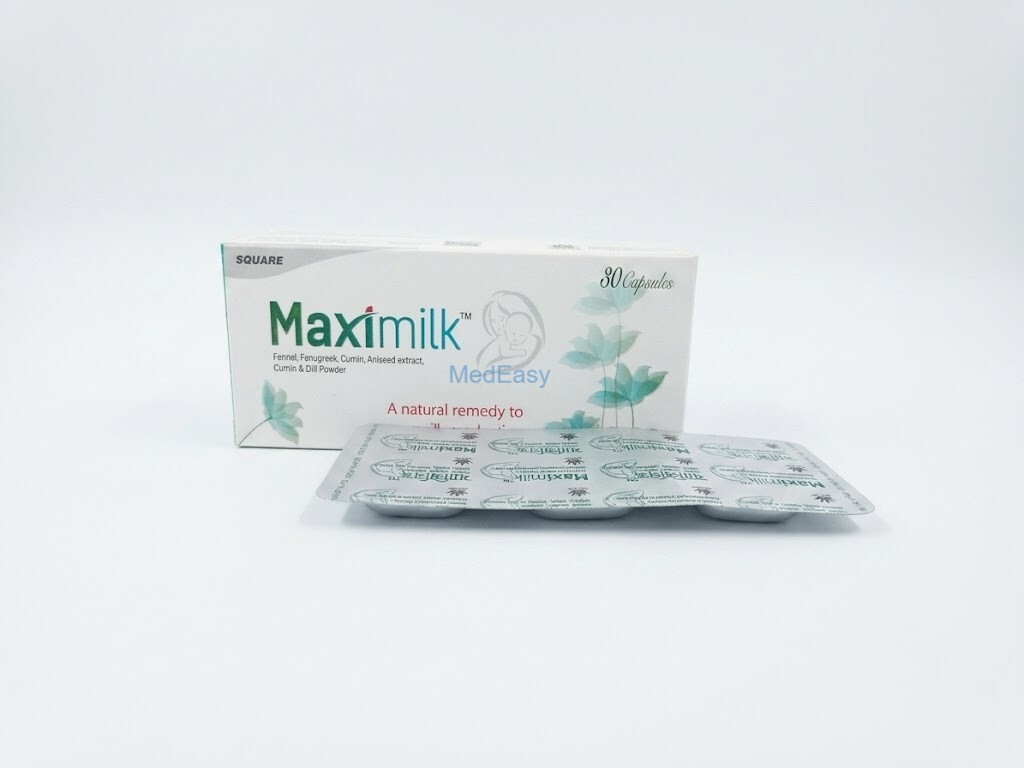
Generic medicine

Fennel, Fenugreek, Cumin, Aniseed, Cumin and Dill Powder: Brands, Price & Uses in Bangladesh

Fennel, Fenugreek, Cumin, Aniseed, Cumin and Dill Powder is a traditional herbal/dietary digestive spice blend, similar to classic South Asian carminative spice mixtures.

Forms:Capsule

About Fennel, Fenugreek, Cumin, Aniseed, Cumin and Dill Powder

Indications of Fennel, Fenugreek, Cumin, Aniseed, Cumin and Dill Powder

Fennel, Fenugreek, Cumin, Aniseed, Cumin and Dill Powder is a traditional herbal/dietary digestive spice blend, similar to classic South Asian carminative spice mixtures. It is intended for traditional and dietary use rather than as an approved pharmaceutical treatment.

Evidence-based uses

  • Traditional/dietary use (most common): Relief of mild digestive discomfort such as gas, bloating, flatulence, and indigestion after meals. This use is based on long-standing traditional practice and small studies on individual components (fennel, fenugreek, cumin, aniseed, dill), not on robust clinical trials of this specific combination product.
  • Traditional adjunct use: Some cultures use fenugreek- and fennel-containing preparations, including Fennel, Fenugreek, Cumin, Aniseed, Cumin and Dill Powder, as a traditional aid to support breast milk production (lactation) in nursing mothers. Evidence for this is limited and largely traditional/anecdotal rather than from large controlled trials.

Fennel, Fenugreek, Cumin, Aniseed, Cumin and Dill Powder is not a substitute for medical treatment of persistent, severe, or unexplained gastrointestinal symptoms, which should be evaluated by a physician.

Dosage & Administration of Fennel, Fenugreek, Cumin, Aniseed, Cumin and Dill Powder

General dosing principles

Fennel, Fenugreek, Cumin, Aniseed, Cumin and Dill Powder is typically taken as a small measured amount of powder, as directed on the product label or by a qualified practitioner, since standardized clinical dosing for this exact combination has not been established by regulatory authorities.

Population/IndicationTypical Approach
Adults - digestive discomfort (gas, bloating, indigestion)A small measured dose (as per product label, commonly around half to one teaspoon) mixed with warm water or taken after meals, once or twice daily, or as advised by a physician/practitioner.
Adults - traditional lactation supportAs traditionally used and only under guidance of a physician or qualified lactation practitioner; not a substitute for evaluation of low milk supply.
ChildrenDosing must be individualized and guided by a pediatrician or qualified practitioner; see Use in Special Populations.

Do not exceed the label-recommended amount. If symptoms persist beyond 1-2 weeks or worsen, stop use and consult a physician.

Side Effects of Fennel, Fenugreek, Cumin, Aniseed, Cumin and Dill Powder

Fennel, Fenugreek, Cumin, Aniseed, Cumin and Dill Powder is generally well tolerated when used as directed, but the following effects have been reported with its individual components:

  • Mild gastrointestinal upset, nausea, or diarrhea with excessive intake
  • Allergic reactions (skin rash, itching, or, rarely, more severe hypersensitivity reactions) in sensitive individuals
  • Unusual body/urine odor resembling maple syrup (a recognized, harmless effect associated with fenugreek)
  • Low blood sugar (hypoglycemia) symptoms if taken in large amounts, particularly alongside antidiabetic medication - see Interactions

Contraindications of Fennel, Fenugreek, Cumin, Aniseed, Cumin and Dill Powder

Fennel, Fenugreek, Cumin, Aniseed, Cumin and Dill Powder is contraindicated in individuals with known hypersensitivity/allergy to fennel, fenugreek, cumin, aniseed, dill, or related plants (e.g. some individuals with allergy to other Apiaceae/Fabaceae family plants).

Frequently Asked Questions about Fennel, Fenugreek, Cumin, Aniseed, Cumin and Dill Powder

What is Fennel, Fenugreek, Cumin, Aniseed, Cumin and Dill Powder used for?

Fennel, Fenugreek, Cumin, Aniseed, Cumin and Dill Powder is a traditional herbal digestive spice blend used mainly for mild digestive discomfort such as gas, bloating, and indigestion, and traditionally to support breast milk production in nursing mothers. It is a dietary/traditional product, not an approved pharmaceutical treatment, and evidence for its effectiveness comes mainly from traditional use and studies of its individual ingredients.

Can I take Fennel, Fenugreek, Cumin, Aniseed, Cumin and Dill Powder during pregnancy?

Fennel, Fenugreek, Cumin, Aniseed, Cumin and Dill Powder contains fenugreek and fennel, which have a traditional reputation as uterine stimulants. It should be used during pregnancy only if clearly needed and under the guidance of a physician, who can weigh the potential benefit against potential risk.

Is Fennel, Fenugreek, Cumin, Aniseed, Cumin and Dill Powder safe for people with diabetes?

People with diabetes should use Fennel, Fenugreek, Cumin, Aniseed, Cumin and Dill Powder cautiously, since its fenugreek component may lower blood glucose and could add to the effect of antidiabetic medications, increasing the risk of hypoglycemia. Blood glucose should be monitored, and a physician should be consulted before regular use.

What are the side effects of Fennel, Fenugreek, Cumin, Aniseed, Cumin and Dill Powder?

Fennel, Fenugreek, Cumin, Aniseed, Cumin and Dill Powder is generally well tolerated, but may cause mild gastrointestinal upset, allergic reactions in sensitive individuals, an unusual maple-syrup-like body odor (from fenugreek), or symptoms of low blood sugar if taken in excess, particularly alongside antidiabetic medication.

Can children take Fennel, Fenugreek, Cumin, Aniseed, Cumin and Dill Powder?

Safety and efficacy of Fennel, Fenugreek, Cumin, Aniseed, Cumin and Dill Powder in children have not been formally established. If used, dosing should be small and individualized under the guidance of a pediatrician or qualified practitioner, rather than used to self-treat a child's symptoms.

What should I do if I take too much Fennel, Fenugreek, Cumin, Aniseed, Cumin and Dill Powder?

Taking more than the recommended amount of Fennel, Fenugreek, Cumin, Aniseed, Cumin and Dill Powder may cause gastrointestinal upset or low blood sugar symptoms. If you suspect an overdose or notice severe symptoms, seek immediate medical attention or contact emergency services/poison control rather than attempting home treatment.

Disclaimer

The information provided is accurate to the best of our knowledge, but it does not replace professional medical advice. We cannot guarantee its completeness or accuracy, and the absence of specific information about a drug should not be taken as an endorsement. We are not responsible for any consequences arising from this information, so please consult a healthcare professional for any concerns or questions.

DoctorBlogArticles