
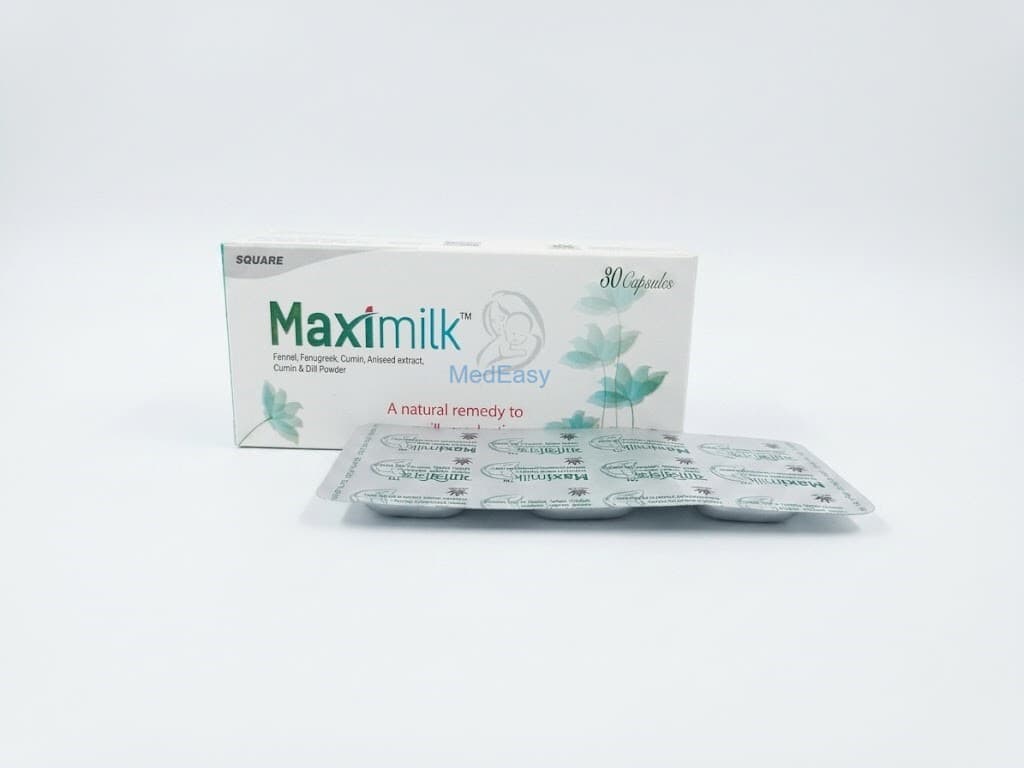
Maximilk

Medicine overview
Indications of Maximilk
Maximilk is a traditional herbal/dietary digestive spice blend, similar to classic South Asian carminative spice mixtures. It is intended for traditional and dietary use rather than as an approved pharmaceutical treatment.
Evidence-based uses
- Traditional/dietary use (most common): Relief of mild digestive discomfort such as gas, bloating, flatulence, and indigestion after meals. This use is based on long-standing traditional practice and small studies on individual components (fennel, fenugreek, cumin, aniseed, dill), not on robust clinical trials of this specific combination product.
- Traditional adjunct use: Some cultures use fenugreek- and fennel-containing preparations, including Maximilk, as a traditional aid to support breast milk production (lactation) in nursing mothers. Evidence for this is limited and largely traditional/anecdotal rather than from large controlled trials.
Maximilk is not a substitute for medical treatment of persistent, severe, or unexplained gastrointestinal symptoms, which should be evaluated by a physician.
Composition
Fennel, Fenugreek, Cumin, Aniseed, Cumin and Dill Powder is a herbal powder blend composed of the following seed/spice ingredients:
- Fennel (Foeniculum vulgare) seed powder
- Fenugreek (Trigonella foenum-graecum) seed powder
- Cumin (Cuminum cyminum) seed powder
- Aniseed (Pimpinella anisum) powder
- Dill (Anethum graveolens) seed powder
The name and composition, including the repeated listing of Cumin, are preserved exactly as labeled for this product: Fennel, Fenugreek, Cumin, Aniseed, Cumin and Dill Powder.
Description
Maximilk is a traditional digestive spice/herbal powder combining five aromatic seeds long used in South Asian cooking and traditional medicine. Each component contains volatile oils (such as anethole in fennel and aniseed) traditionally credited with carminative (gas-relieving) and mild spasmolytic properties on the gastrointestinal tract.
It is marketed and used as a traditional digestive aid rather than as a conventional prescription medicine, and its role should be understood as supportive/dietary rather than curative for underlying gastrointestinal disease.
Therapeutic Class
Traditional herbal/dietary digestive supplement (carminative spice blend) - Maximilk
Pharmacology
Fennel, Fenugreek, Cumin, Aniseed, Cumin and Dill Powder combines several seeds traditionally regarded as carminatives (agents that help relieve gas and bloating) and mild digestive stimulants:
- Fennel and Aniseed: contain anethole and related volatile oils, traditionally attributed with mild antispasmodic action on gastrointestinal smooth muscle and carminative effects.
- Cumin and Dill: traditionally used to stimulate digestive secretions and relieve flatulence.
- Fenugreek: contains soluble fiber and saponins; in studies of fenugreek alone (not this specific blend), some blood-glucose-lowering and galactagogue (milk-production-supporting) effects have been observed.
These mechanisms are derived from traditional use and studies of the individual ingredients; rigorous pharmacological data for the combined Fennel, Fenugreek, Cumin, Aniseed, Cumin and Dill Powder product itself is limited.
Dosage & Administration of Maximilk
General dosing principles
Maximilk is typically taken as a small measured amount of powder, as directed on the product label or by a qualified practitioner, since standardized clinical dosing for this exact combination has not been established by regulatory authorities.
| Population/Indication | Typical Approach |
|---|---|
| Adults - digestive discomfort (gas, bloating, indigestion) | A small measured dose (as per product label, commonly around half to one teaspoon) mixed with warm water or taken after meals, once or twice daily, or as advised by a physician/practitioner. |
| Adults - traditional lactation support | As traditionally used and only under guidance of a physician or qualified lactation practitioner; not a substitute for evaluation of low milk supply. |
| Children | Dosing must be individualized and guided by a pediatrician or qualified practitioner; see Use in Special Populations. |
Do not exceed the label-recommended amount. If symptoms persist beyond 1-2 weeks or worsen, stop use and consult a physician.
Administration of Maximilk
Maximilk is generally mixed with warm water, milk, or taken directly with water, usually after meals. It is intended for oral dietary use only; do not inject or apply to broken skin. Always follow the specific product label instructions.
Interaction of Maximilk
Clinically relevant interactions with Maximilk relate mainly to its fenugreek component:
- Antidiabetic drugs (e.g. insulin, sulfonylureas, metformin): Fenugreek may have additive blood-glucose-lowering effects; concurrent use of Maximilk with antidiabetic medication may increase the risk of hypoglycemia. Blood glucose should be monitored.
- Anticoagulant/antiplatelet drugs (e.g. warfarin, aspirin): Fenugreek has been reported to have mild antiplatelet activity; theoretical increased bleeding risk with concurrent use warrants caution and physician advice.
Patients on regular prescription medication should inform their physician before regularly using Maximilk.
Contraindications
Fennel, Fenugreek, Cumin, Aniseed, Cumin and Dill Powder is contraindicated in individuals with known hypersensitivity/allergy to fennel, fenugreek, cumin, aniseed, dill, or related plants (e.g. some individuals with allergy to other Apiaceae/Fabaceae family plants).
Side Effects of Maximilk
Maximilk is generally well tolerated when used as directed, but the following effects have been reported with its individual components:
- Mild gastrointestinal upset, nausea, or diarrhea with excessive intake
- Allergic reactions (skin rash, itching, or, rarely, more severe hypersensitivity reactions) in sensitive individuals
- Unusual body/urine odor resembling maple syrup (a recognized, harmless effect associated with fenugreek)
- Low blood sugar (hypoglycemia) symptoms if taken in large amounts, particularly alongside antidiabetic medication - see Interactions
Pregnancy & Lactation
Pregnancy: Fenugreek and fennel, two components of Maximilk, have a traditional reputation as uterine stimulants. As safety in pregnancy has not been well established for this combination, Maximilk should be used during pregnancy only if clearly needed and only under the guidance of a physician, who can weigh potential benefit against potential risk.
Lactation: Maximilk is traditionally used in some cultures to support breast milk production, but robust clinical evidence for this specific combination is limited. Breastfeeding women should consult a physician or lactation specialist before regular use.
Precautions & Warnings
- Pregnancy: Use only under professional guidance due to the traditional uterine-stimulant reputation of fenugreek and fennel - see Pregnancy and Lactation.
- Diabetes: Fenugreek in Maximilk may lower blood glucose; patients on antidiabetic drugs should monitor blood glucose closely - see Interactions.
- Children: Use only under the guidance of a pediatrician or qualified practitioner - see Use in Special Populations.
- Allergy: Discontinue and seek medical advice if signs of an allergic reaction occur.
- Maximilk is a traditional dietary/herbal product and should not replace medical evaluation of persistent, severe, or alarming gastrointestinal symptoms.
Overdose Effects of Maximilk
Excessive intake of Maximilk may cause gastrointestinal upset (nausea, vomiting, diarrhea) or, due to its fenugreek content, symptoms of low blood sugar (hypoglycemia) such as sweating, shakiness, or confusion. If overdose is suspected or severe symptoms occur, seek immediate medical attention or contact a poison control center/emergency services rather than attempting home treatment.
Storage Conditions
Store at room temperature (below 30°C), away from light and moisture. Keep out of reach of children.
Use In Special Populations
- Pregnant women: Use Maximilk only if clearly needed and under professional guidance - see Pregnancy and Lactation.
- Breastfeeding women: Traditional use to support lactation exists, but should be discussed with a physician - see Pregnancy and Lactation.
- Children: Safety and appropriate dosing of Maximilk in children have not been formally established; use only under the guidance of a pediatrician or qualified practitioner, with dosing individualized to age and weight.
- Elderly: No specific dose adjustment is established, but elderly patients, especially those on antidiabetic or anticoagulant medication, should use Maximilk cautiously and inform their physician - see Interactions.
- Patients with diabetes: Monitor blood glucose closely if using Maximilk alongside antidiabetic medication.
Duration Of Treatment
Maximilk is generally intended for short-term, as-needed use for mild digestive symptoms. If symptoms persist beyond 1-2 weeks, recur frequently, or worsen, discontinue use and consult a physician for further evaluation.
Drug Classes
Herbal/dietary digestive supplement; carminative spice blend - Fennel, Fenugreek, Cumin, Aniseed, Cumin and Dill Powder
Mode Of Action
Fennel, Fenugreek, Cumin, Aniseed, Cumin and Dill Powder is believed to act through the combined carminative and mild antispasmodic properties of its component seeds. Volatile oils such as anethole (present in fennel and aniseed) are traditionally thought to relax gastrointestinal smooth muscle and ease the passage of trapped gas, while cumin and dill are traditionally credited with stimulating digestive secretions. Fenugreek additionally contributes soluble fiber and compounds traditionally associated with mild blood-glucose-lowering and lactation-supporting effects. These mechanisms are based on traditional use and component-level research rather than confirmed mechanistic studies of the combined product.
Pediatric Uses
Safety and efficacy of Maximilk in children have not been formally established through clinical trials. When used traditionally in children, dosing should be small and individualized, guided by a pediatrician or qualified practitioner, and Maximilk should not be used to self-treat significant or persistent pediatric gastrointestinal symptoms without medical evaluation.
Frequently Asked Questions
Q: What is Maximilk Capsule used for?
A: Maximilk Capsule is a traditional herbal digestive spice blend used mainly for mild digestive discomfort such as gas, bloating, and indigestion, and traditionally to support breast milk production in nursing mothers. It is a dietary/traditional product, not an approved pharmaceutical treatment, and evidence for its effectiveness comes mainly from traditional use and studies of its individual ingredients.
Q: Can I take Maximilk Capsule during pregnancy?
A: Maximilk Capsule contains fenugreek and fennel, which have a traditional reputation as uterine stimulants. It should be used during pregnancy only if clearly needed and under the guidance of a physician, who can weigh the potential benefit against potential risk.
Q: Is Maximilk Capsule safe for people with diabetes?
A: People with diabetes should use Maximilk Capsule cautiously, since its fenugreek component may lower blood glucose and could add to the effect of antidiabetic medications, increasing the risk of hypoglycemia. Blood glucose should be monitored, and a physician should be consulted before regular use.
Q: What are the side effects of Maximilk Capsule?
A: Maximilk Capsule is generally well tolerated, but may cause mild gastrointestinal upset, allergic reactions in sensitive individuals, an unusual maple-syrup-like body odor (from fenugreek), or symptoms of low blood sugar if taken in excess, particularly alongside antidiabetic medication.
Q: Can children take Maximilk Capsule?
A: Safety and efficacy of Maximilk Capsule in children have not been formally established. If used, dosing should be small and individualized under the guidance of a pediatrician or qualified practitioner, rather than used to self-treat a child's symptoms.
Q: What should I do if I take too much Maximilk Capsule?
A: Taking more than the recommended amount of Maximilk Capsule may cause gastrointestinal upset or low blood sugar symptoms. If you suspect an overdose or notice severe symptoms, seek immediate medical attention or contact emergency services/poison control rather than attempting home treatment.
Disclaimer
The information provided is accurate to the best of our knowledge, but it does not replace professional medical advice. We cannot guarantee its completeness or accuracy, and the absence of specific information about a drug should not be taken as an endorsement. We are not responsible for any consequences arising from this information, so please consult a healthcare professional for any concerns or questions.
