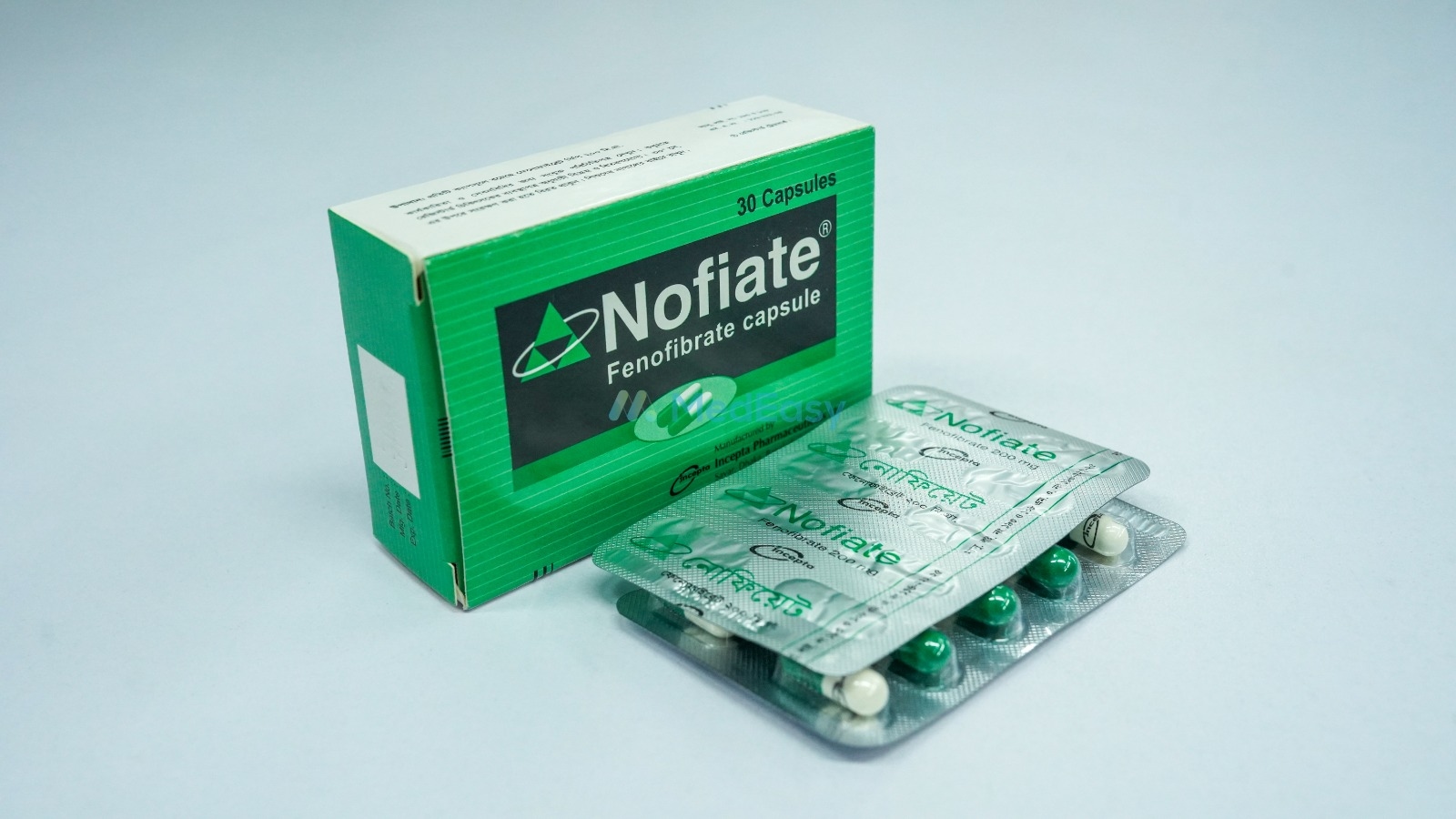
Generic medicine

Fenofibrate: Brands, Price & Uses in Bangladesh

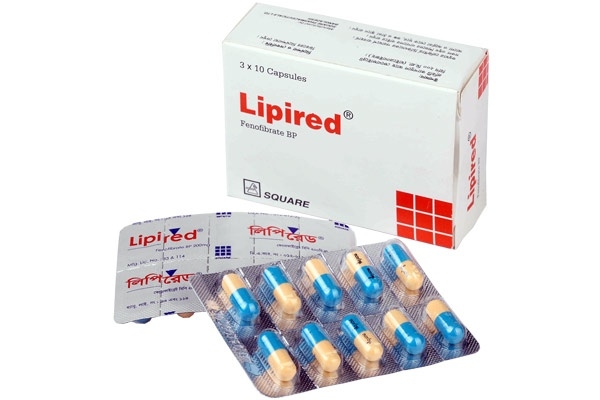
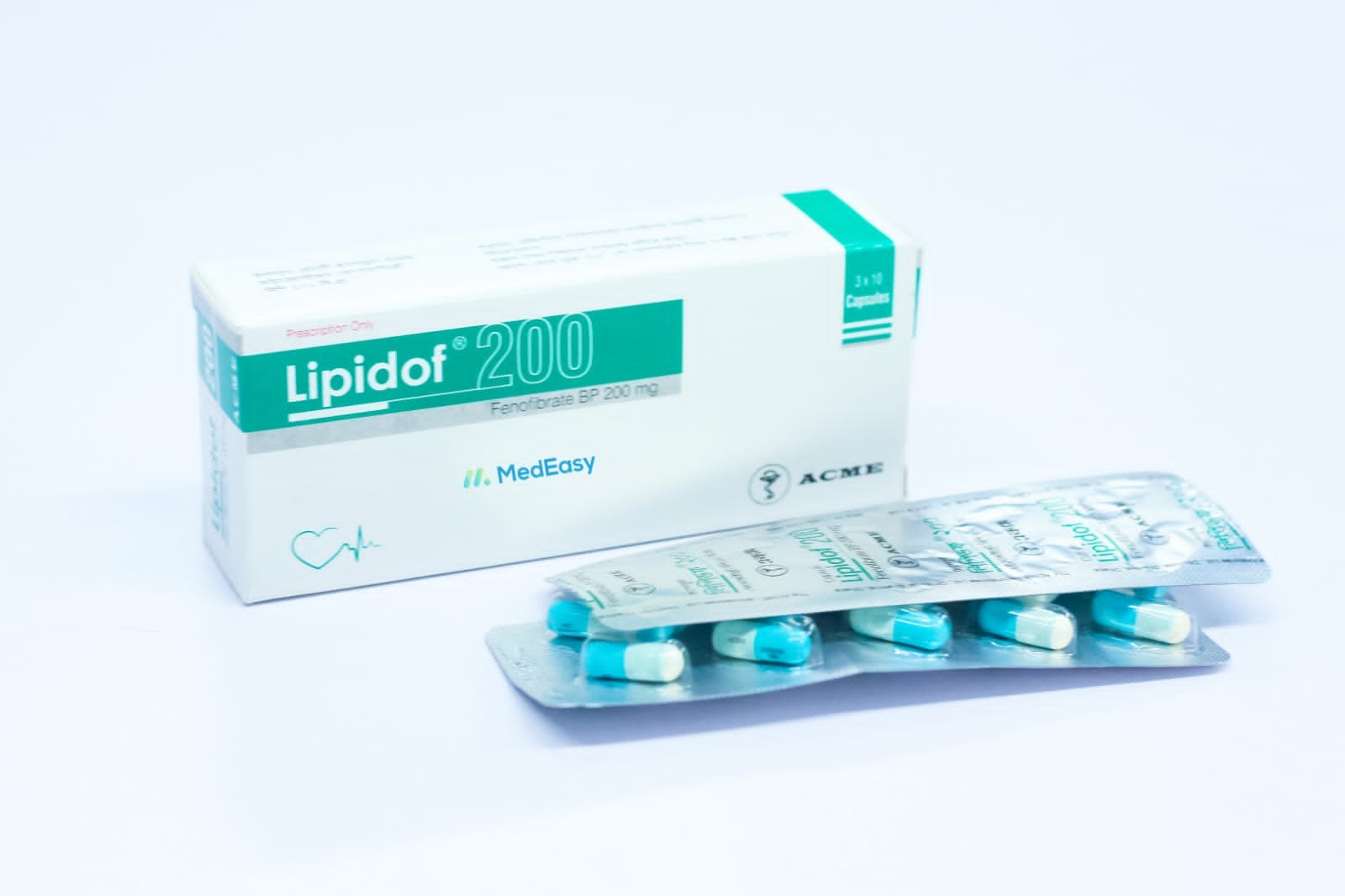
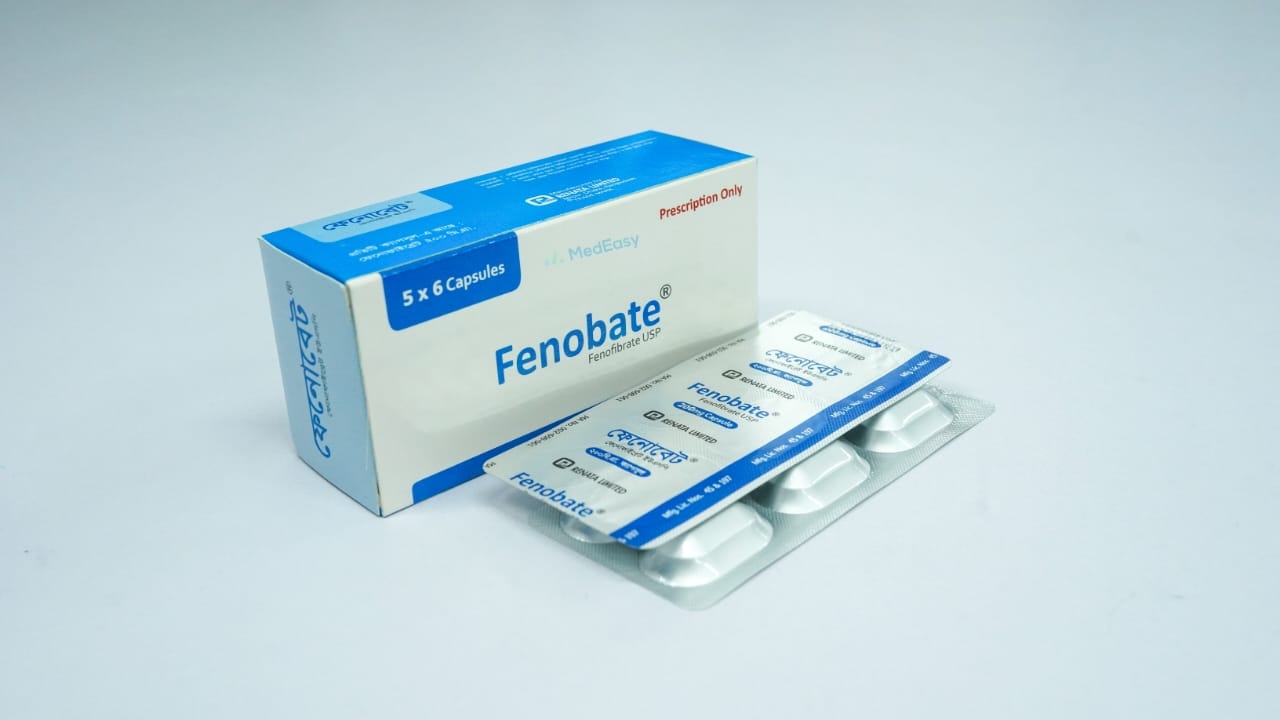
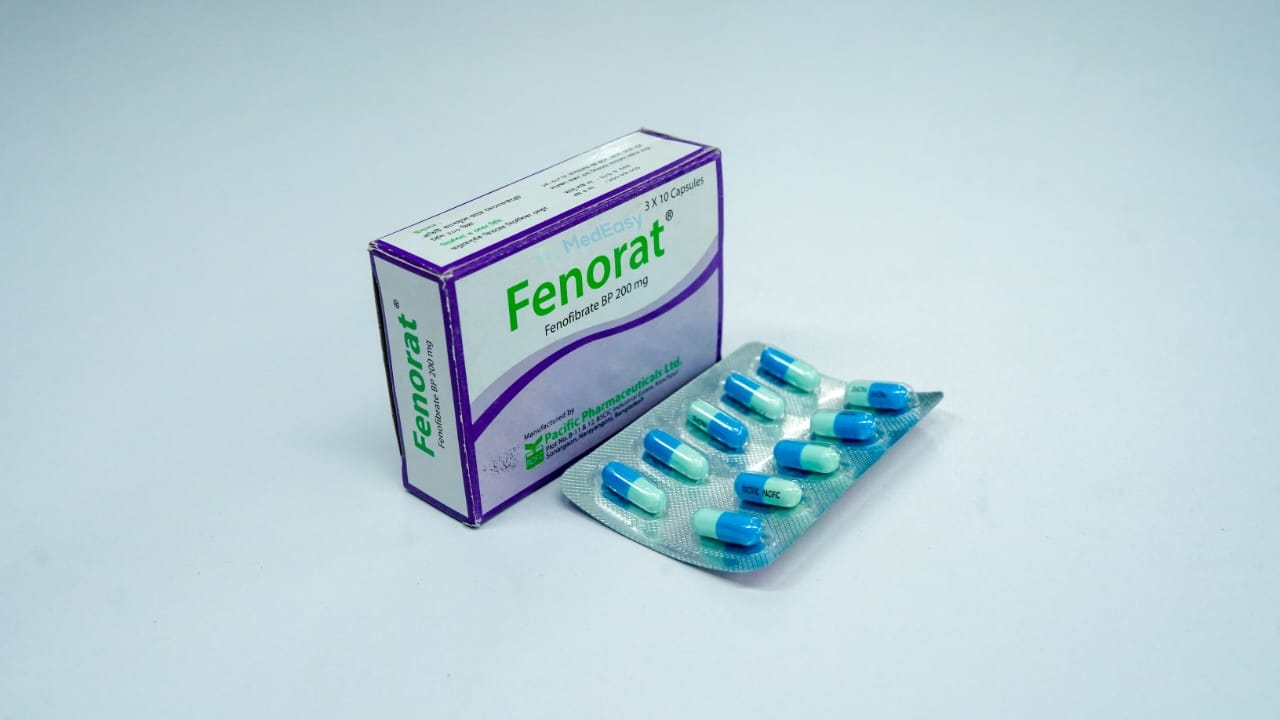
Fenofibrate is a fibric acid derivative (fibrate) used as an adjunct to diet for the management of lipid disorders.

Forms:Capsule (Micronized)CapsuleTablet

About Fenofibrate

Indications of Fenofibrate

Fenofibrate is a fibric acid derivative (fibrate) used as an adjunct to diet for the management of lipid disorders. Its evidence-based uses include:

Established / FDA-approved uses

  • Primary hypercholesterolemia and mixed dyslipidemia (Fredrickson Types IIa and IIb) — used together with diet to reduce elevated LDL cholesterol, total cholesterol, triglycerides, and apolipoprotein B, and to increase HDL cholesterol in adult patients who have not responded adequately to diet alone.
  • Severe hypertriglyceridemia (Fredrickson Types IV and V) — used as an adjunct to diet in adult patients with very high triglyceride levels who are at risk of pancreatitis and have not responded adequately to dietary measures.

Guideline-supported / adjunct use

  • May be used in combination with a statin in selected high-risk patients with mixed dyslipidemia when triglycerides remain elevated despite statin therapy, but this combination requires careful monitoring for muscle toxicity (see Precautions).

Fenofibrate has not been shown to reduce coronary heart disease morbidity or mortality in controlled clinical trials, and it is not indicated to prevent cardiovascular events on its own.

Dosage & Administration of Fenofibrate

Adults

IndicationTypical starting doseNotes
Primary hypercholesterolemia / mixed dyslipidemia~145 mg once daily (tablet) or ~130–200 mg once daily depending on formulationAdjust after 4–8 weeks based on lipid response
Severe hypertriglyceridemia~48–145 mg once daily initially (tablet) or ~67–200 mg once daily depending on formulationMay titrate up to the maximum labeled dose for the product if response is inadequate

Doses are not interchangeable across different Fenofibrate brands/formulations (micronized vs. non-micronized, tablet vs. capsule) because bioavailability differs; always follow the strength and schedule specified for the exact product dispensed, per physician instructions.

Administration

Fenofibrate should be taken with a meal, as food increases the extent of absorption of some formulations. Capsules/tablets should be swallowed whole and not crushed or chewed unless the product labeling states otherwise.

Renal impairment

In patients with mild-to-moderate renal impairment (eGFR 30–59 mL/min/1.73 m²), treatment should be initiated at the lowest available dose and increased only after assessing effects on renal function and lipid levels. Fenofibrate should be avoided in severe renal impairment (eGFR <30 mL/min/1.73 m²), including patients on dialysis (see Contraindications).

Hepatic impairment

Use has not been systematically studied in hepatic impairment; avoid use in patients with active liver disease (see Contraindications) and monitor liver function during therapy.

Duration and monitoring

Lipid levels should be monitored periodically; if an adequate triglyceride/cholesterol response is not obtained after about 2 months on the maximum dose, Fenofibrate should be discontinued and alternative therapy considered.

Side Effects of Fenofibrate

Like most medicines, Fenofibrate can cause side effects in some patients, though not everyone experiences them.

Common

  • Headache
  • Nausea, abdominal pain, diarrhoea, or other mild gastrointestinal upset
  • Back pain
  • Mild elevations in liver enzymes
  • Respiratory symptoms (e.g., upper respiratory infection-like symptoms in trials)

Less common but clinically important

  • Myopathy and, rarely, rhabdomyolysis (muscle pain, tenderness, or weakness with elevated creatine kinase) — see Precautions.
  • Elevated serum creatinine (usually reversible after stopping the drug).
  • Gallstones (cholelithiasis) — see Contraindications/Precautions.
  • Pancreatitis (uncommon).
  • Hepatotoxicity, including significant transaminase elevation.
  • Hypersensitivity reactions, including skin rash.
  • Decreased haemoglobin, haematocrit, or white blood cell count (usually mild and stabilizes with continued therapy).

Contraindications of Fenofibrate

  • Known hypersensitivity to Fenofibrate or any component of the formulation.
  • Severe renal impairment, including patients on dialysis.
  • Active liver disease, including primary biliary cirrhosis and unexplained persistent liver function abnormalities.
  • Pre-existing gallbladder disease (gallstones/cholelithiasis).
  • Nursing mothers (breastfeeding) — see Pregnancy and Lactation.

Frequently Asked Questions about Fenofibrate

What is Fenofibrate used for?

Fenofibrate is used along with diet to treat high cholesterol and high triglycerides (a type of blood fat) in adults, when diet alone has not been enough to control lipid levels.

How should I take Fenofibrate?

Take Fenofibrate exactly as prescribed, usually once daily with a meal to help your body absorb it properly. Do not switch brands or strengths on your own, since different Fenofibrate products are not interchangeable.

Can Fenofibrate be taken with a statin for cholesterol?

Fenofibrate can sometimes be combined with a statin, but this combination increases the risk of muscle problems (myopathy), including rare but serious muscle breakdown (rhabdomyolysis). This should only be done under close medical supervision, and you should tell your doctor right away about any unexplained muscle pain, tenderness, or weakness.

Is Fenofibrate safe during pregnancy or breastfeeding?

There is not enough safety data on Fenofibrate in pregnancy, so it should be used only if your doctor decides the benefit clearly outweighs the potential risk to the baby. Fenofibrate is generally not recommended while breastfeeding because it may pass into breast milk and affect a nursing infant, so most product labels treat breastfeeding as a reason to avoid it; discuss safer alternatives with your physician.

Who should not take Fenofibrate?

Fenofibrate should not be used by people with a known allergy to it, severe kidney impairment (including dialysis patients), active liver disease, or pre-existing gallbladder disease/gallstones, and it should not be used by nursing mothers.

What should I do if I take too much Fenofibrate?

If you or someone else has taken more Fenofibrate than prescribed, seek immediate medical attention or contact a poison control center right away; do not try to treat an overdose at home.

Disclaimer

The information provided is accurate to the best of our knowledge, but it does not replace professional medical advice. We cannot guarantee its completeness or accuracy, and the absence of specific information about a drug should not be taken as an endorsement. We are not responsible for any consequences arising from this information, so please consult a healthcare professional for any concerns or questions.

DoctorBlogArticles