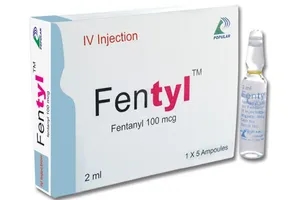
Generic medicine

Fentanyl Citrate: Brands, Price & Uses in Bangladesh

Fentanyl Citrate is a potent synthetic opioid analgesic.

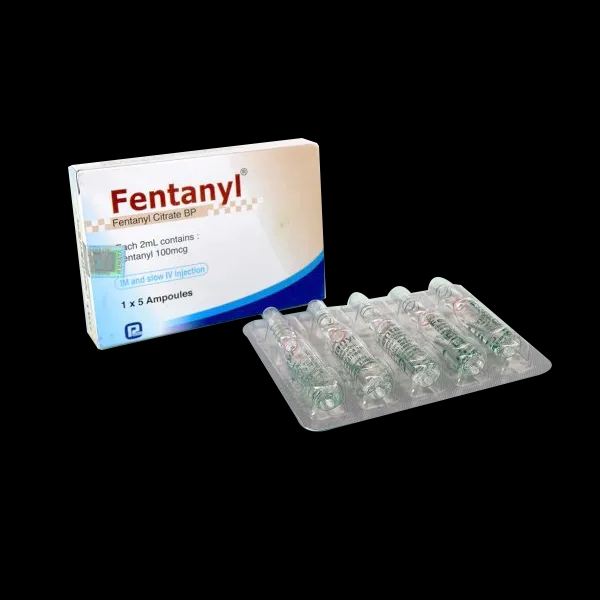
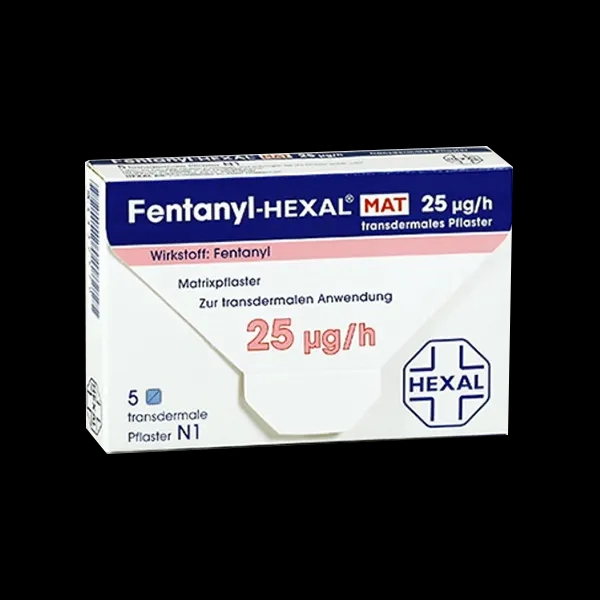
Forms:Transdermal PatchInjectionTablet

About Fentanyl Citrate

Indications of Fentanyl Citrate

Fentanyl Citrate is a potent synthetic opioid analgesic. Its indications are classified below by strength of evidence.

Established / FDA-approved uses

  • Management of moderate to severe acute pain, including postoperative pain, when administered parenterally by or under the supervision of qualified anesthesia personnel.
  • As an analgesic component of general anesthesia, and as an anesthetic agent with oxygen in selected high-risk patients (e.g., cardiac surgery).
  • Management of breakthrough pain in cancer patients who are already receiving and tolerant to opioid therapy, using transmucosal formulations (buccal tablet, sublingual tablet/spray, nasal spray, lozenge).
  • Management of persistent, moderate to severe chronic pain requiring continuous around-the-clock opioid therapy in opioid-tolerant patients, using the transdermal patch, when alternative treatments are inadequate.

Adjunct uses

  • Adjunct to regional or general anesthesia and in monitored anesthesia care, to supplement sedation and reduce overall anesthetic requirements.

Transmucosal and transdermal forms of Fentanyl Citrate are restricted to opioid-tolerant patients only, because of the risk of fatal respiratory depression in opioid-naive individuals, and are not indicated for acute, postoperative, mild, or intermittent pain.

Dosage & Administration of Fentanyl Citrate

Adult dose — injection (anesthesia/analgesia)

IndicationTypical dose
Adjunct to general anesthesia (low dose)2 mcg/kg intravenously
Adjunct to general anesthesia (moderate dose)2–20 mcg/kg intravenously
Adjunct to general anesthesia (high dose, e.g., cardiac surgery)20–50 mcg/kg intravenously
General anesthesia with oxygen (selected high-risk patients)50–100 mcg/kg intravenously

Breakthrough cancer pain (transmucosal forms, opioid-tolerant patients only)

Start at the lowest available strength (typically 100 mcg) for a given episode, and titrate upward step-wise only under close physician supervision, following the specific product's titration schedule. Transmucosal Fentanyl Citrate products are not interchangeable on a microgram-for-microgram basis.

Chronic pain (transdermal patch, opioid-tolerant patients only)

The initial dose is individualized based on the patient's existing opioid tolerance (commonly starting at 12–25 mcg/hour), applied to intact, non-irritated skin and replaced every 72 hours. Dose increases are made no more often than every 6 days.

All dosing of Fentanyl Citrate must be individualized according to the patient's opioid tolerance, age, body weight, clinical status, and concurrent medications, and must be administered only by, or under the direction of, personnel experienced in the use of potent opioids and the management of respiratory depression, with resuscitative equipment immediately available.

Side Effects of Fentanyl Citrate

Adverse effects reported with Fentanyl Citrate include:

Common

  • Nausea, vomiting, constipation
  • Drowsiness, dizziness, sedation
  • Headache
  • Pruritus (itching)
  • Confusion
  • Application-site reactions (with transdermal patches)

Serious or less common

  • Life-threatening respiratory depression (see Precautions and Warnings)
  • Hypotension, bradycardia
  • Muscle rigidity, including chest-wall rigidity with rapid intravenous administration
  • Physical dependence, tolerance, and opioid use disorder with prolonged use
  • Serotonin syndrome when combined with serotonergic medications
  • Adrenal insufficiency and androgen deficiency with long-term use

Contraindications of Fentanyl Citrate

Fentanyl Citrate is contraindicated in:

  • Known hypersensitivity to fentanyl or any component of the specific formulation.
  • Significant respiratory depression, particularly in unmonitored settings.
  • Acute or severe bronchial asthma in an unmonitored setting or in the absence of resuscitative equipment.
  • Known or suspected gastrointestinal obstruction, including paralytic ileus.

Transdermal and transmucosal formulations of Fentanyl Citrate are additionally contraindicated in opioid-non-tolerant patients and for management of acute or postoperative pain, including mild, intermittent, or short-duration pain.

Frequently Asked Questions about Fentanyl Citrate

What is Fentanyl Citrate used for?

Fentanyl Citrate is a potent opioid analgesic used for management of moderate to severe acute pain (typically by injection under anesthesia supervision), as part of general anesthesia, for breakthrough cancer pain in opioid-tolerant patients (transmucosal forms), and for chronic pain requiring around-the-clock opioid therapy in opioid-tolerant patients (transdermal patch).

Is Fentanyl Citrate addictive?

Yes. Fentanyl Citrate carries a boxed warning for addiction, abuse, and misuse, which can lead to overdose and death even when taken as prescribed. It should be used at the lowest effective dose for the shortest duration necessary, with regular monitoring by a physician.

Can Fentanyl Citrate patches or lozenges be used for occasional or mild pain?

No. Transdermal and transmucosal forms of Fentanyl Citrate are intended only for opioid-tolerant patients with chronic or breakthrough cancer pain, not for acute, postoperative, mild, or intermittent pain, because of the risk of fatal respiratory depression in patients who are not already tolerant to opioids.

What should I avoid while using Fentanyl Citrate?

Avoid alcohol and other central nervous system depressants such as benzodiazepines, sedatives, or other opioids unless specifically directed by a physician, as combining these with Fentanyl Citrate can cause profound sedation, respiratory depression, coma, and death. Also inform your physician of all other medicines you take, since certain drugs (e.g., some antifungals, antibiotics, and antivirals) can dangerously increase Fentanyl Citrate levels in the body.

Is Fentanyl Citrate safe during pregnancy or breastfeeding?

Fentanyl Citrate should be used in pregnancy only if the potential benefit justifies the potential risk to the fetus, and only under close physician supervision, since prolonged use can cause a withdrawal syndrome in the newborn. It passes into breast milk, and breastfeeding is generally not recommended during and for a period after treatment because of the risk of sedation and breathing problems in the infant. Always consult a physician first.

What should I do if I suspect an overdose of Fentanyl Citrate?

An overdose of Fentanyl Citrate is a medical emergency that can be fatal. Seek immediate emergency medical attention or contact a poison control center right away; do not attempt to manage it at home. Signs include severe difficulty breathing, extreme drowsiness or unresponsiveness, and pinpoint pupils.

Disclaimer

The information provided is accurate to the best of our knowledge, but it does not replace professional medical advice. We cannot guarantee its completeness or accuracy, and the absence of specific information about a drug should not be taken as an endorsement. We are not responsible for any consequences arising from this information, so please consult a healthcare professional for any concerns or questions.
DoctorBlogArticles