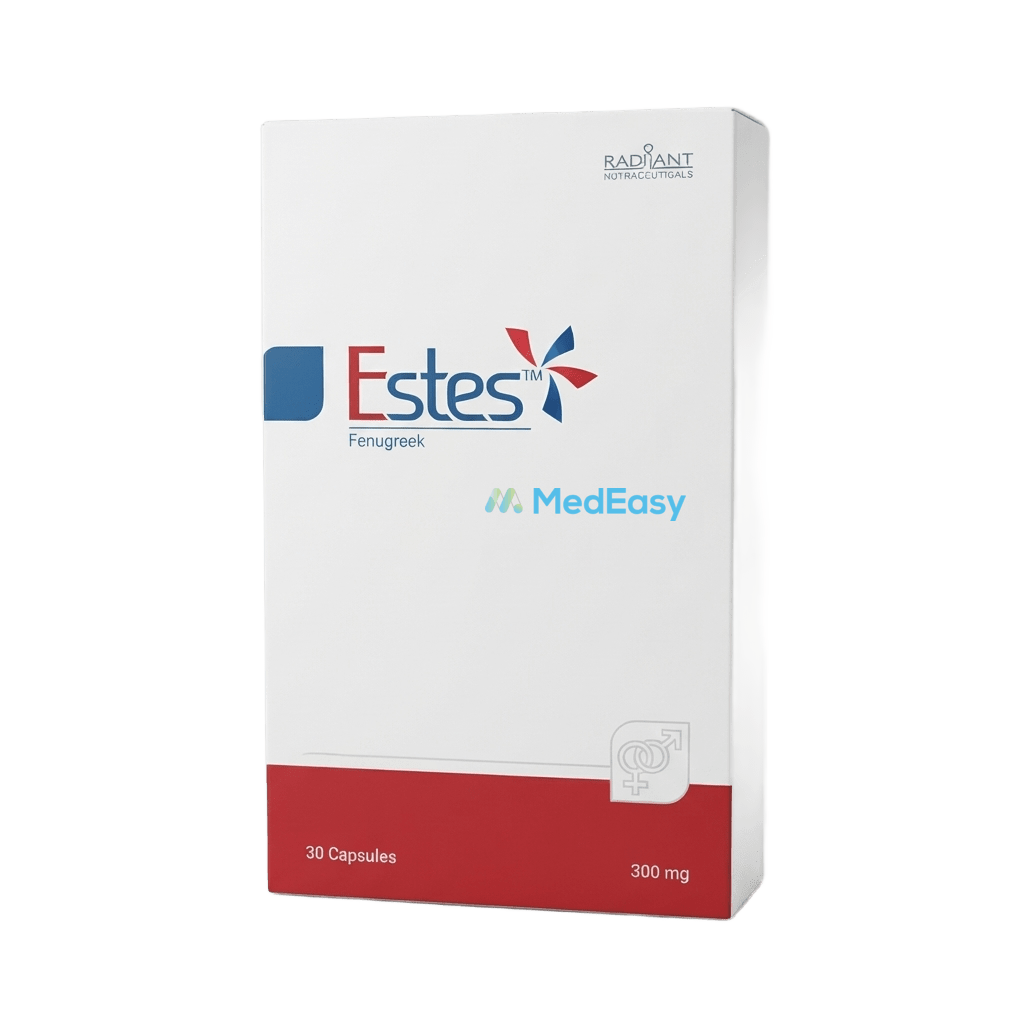
Generic medicine

Fenugreek: Brands, Price & Uses in Bangladesh

Fenugreek is a herbal dietary supplement derived from the seeds of Trigonella foenum-graecum .

Forms:Capsule

About Fenugreek

Indications of Fenugreek

Fenugreek is a herbal dietary supplement derived from the seeds of Trigonella foenum-graecum. Evidence for its uses varies in strength, and it is not a substitute for prescribed medical therapy.

  • Guideline/clinical-evidence supported (adjunct use): Fenugreek seed powder or extract has modest, clinically studied glycemic benefit as an adjunct to diet, exercise, and prescribed antidiabetic medication in adults with type 2 diabetes or prediabetes (helps lower fasting blood glucose and HbA1c to a small degree in some trials).
  • Traditional/commonly used (galactagogue): Fenugreek is traditionally and commonly used by breastfeeding mothers to help support and increase breast milk supply, though clinical trial evidence is mixed and of variable quality.
  • Traditional use: mild digestive support (appetite stimulation, relief of dyspepsia) and as a culinary/traditional remedy for general wellness.
  • Off-label/less-established: modest supportive effect on blood lipid (cholesterol/triglyceride) profiles has been reported in small studies; evidence is limited and it is not a treatment for dyslipidemia on its own.

Fenugreek should never be used to replace insulin, oral antidiabetic drugs, or other physician-prescribed treatment; it may only be used as a complementary measure under medical guidance.

Dosage & Administration of Fenugreek

Adult Dose

IndicationTypical DoseNotes
Blood glucose support (adjunct)Seed powder 2.5–15 g/day in divided doses, or standardized extract capsules 500–1000 mg 1–2 times daily with mealsUse only as an adjunct to prescribed antidiabetic therapy, under physician supervision
Lactation support (galactagogue)Capsules approximately 500–1000 mg, 2–3 times daily, or as fenugreek tea, typically for a limited postpartum periodDiscontinue if no benefit after 1–2 weeks or if adverse effects occur
Digestive supportLow doses of seed powder (1–2 g) before mealsTraditional use; limited formal dosing data

Pediatric Dose

Not established. Fenugreek is not recommended for use in infants or children due to insufficient safety data (see Pediatric Uses).

Renal/Hepatic Impairment

No well-established dose adjustment exists for Fenugreek in renal or hepatic impairment because formal pharmacokinetic studies are lacking; such patients should use Fenugreek only under medical supervision.

Side Effects of Fenugreek

  • Gastrointestinal upset — diarrhea, flatulence, bloating, abdominal discomfort (most common, especially at higher doses)
  • A characteristic maple-syrup-like odor of urine, sweat, or breast milk (harmless but frequently noticed)
  • Hypoglycemia (low blood sugar), particularly when combined with antidiabetic medications — see Interactions
  • Allergic reactions ranging from mild skin rash to, rarely, severe hypersensitivity/anaphylaxis, especially in legume-sensitive individuals — see Contraindications
  • Mild dizziness or headache (uncommon)
  • Nasal congestion or wheezing has been reported rarely, particularly with inhaled exposure (e.g., occupational exposure to fenugreek powder/dust)

Contraindications of Fenugreek

Fenugreek is contraindicated in individuals with known hypersensitivity/allergy to Fenugreek or to other legumes (including peanut, chickpea, and soybean), due to documented cross-reactivity in legume-allergic individuals.

Fenugreek is also contraindicated during pregnancy for uses other than medically supervised, short-term postpartum lactation support, because of its uterine-stimulant (oxytocic) activity, which has been associated with uterine contractions.

Frequently Asked Questions about Fenugreek

What is Fenugreek used for?

Fenugreek is a herbal dietary supplement most commonly used as an adjunct to support blood glucose control in people with diabetes or prediabetes, and traditionally used by breastfeeding mothers to help support breast milk supply. It is also used traditionally for mild digestive support. Fenugreek is not a replacement for prescribed diabetes medication.

Can I take Fenugreek if I am pregnant?

Fenugreek should generally be avoided during pregnancy because it may stimulate the uterus and has been associated with uterine contractions. Only use Fenugreek during pregnancy if a physician has specifically recommended it after weighing potential benefits and risks.

Is Fenugreek safe while breastfeeding?

Fenugreek is commonly and traditionally used by breastfeeding mothers to help increase milk supply, and typical doses are generally considered reasonably safe, though formal safety data are limited. It is best to consult a physician or lactation specialist before starting Fenugreek while nursing.

Can Fenugreek cause low blood sugar?

Yes. Fenugreek can lower blood glucose, and when combined with insulin or other antidiabetic medications it may increase the risk of hypoglycemia (low blood sugar). Blood sugar should be monitored closely if Fenugreek is used alongside diabetes medication.

Who should not take Fenugreek?

People with a known allergy to Fenugreek or to other legumes such as peanut, chickpea, or soybean should not take Fenugreek because of possible cross-reactive allergic reactions. Pregnant women should also avoid Fenugreek unless specifically advised by a physician.

Can Fenugreek interact with blood-thinning medication?

Fenugreek may have a mild blood-thinning (antiplatelet) effect and contains coumarin-like compounds, so combining it with anticoagulant or antiplatelet drugs such as warfarin or aspirin may theoretically increase bleeding risk. Discuss this combination with a physician before use.

Disclaimer

The information provided is accurate to the best of our knowledge, but it does not replace professional medical advice. We cannot guarantee its completeness or accuracy, and the absence of specific information about a drug should not be taken as an endorsement. We are not responsible for any consequences arising from this information, so please consult a healthcare professional for any concerns or questions.

DoctorBlogArticles