
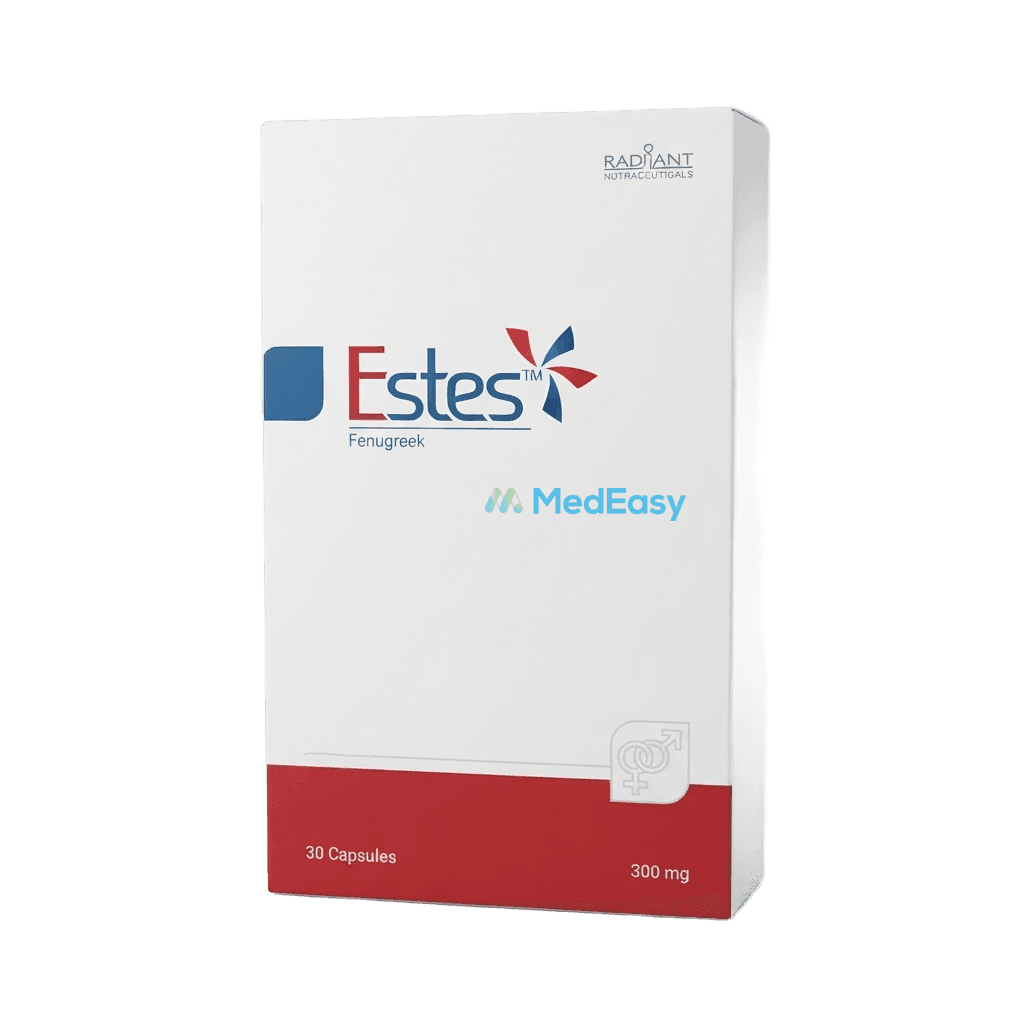

Medicine overview
Indications of Estes
Estes is a herbal dietary supplement derived from the seeds of Trigonella foenum-graecum. Evidence for its uses varies in strength, and it is not a substitute for prescribed medical therapy.
- Guideline/clinical-evidence supported (adjunct use): Estes seed powder or extract has modest, clinically studied glycemic benefit as an adjunct to diet, exercise, and prescribed antidiabetic medication in adults with type 2 diabetes or prediabetes (helps lower fasting blood glucose and HbA1c to a small degree in some trials).
- Traditional/commonly used (galactagogue): Estes is traditionally and commonly used by breastfeeding mothers to help support and increase breast milk supply, though clinical trial evidence is mixed and of variable quality.
- Traditional use: mild digestive support (appetite stimulation, relief of dyspepsia) and as a culinary/traditional remedy for general wellness.
- Off-label/less-established: modest supportive effect on blood lipid (cholesterol/triglyceride) profiles has been reported in small studies; evidence is limited and it is not a treatment for dyslipidemia on its own.
Estes should never be used to replace insulin, oral antidiabetic drugs, or other physician-prescribed treatment; it may only be used as a complementary measure under medical guidance.
Composition
Fenugreek products are typically prepared from the dried, ground seeds of Trigonella foenum-graecum, available as whole/ground seed powder, standardized seed extract capsules or tablets, or as a component of herbal teas.
Key naturally occurring constituents include galactomannan (a soluble fiber), the amino acid 4-hydroxyisoleucine, saponins (diosgenin and related steroidal saponins), and flavonoids. Formulations are not standardized to a single active drug substance in the way conventional pharmaceuticals are, so potency can vary between products/brands.
Description
Estes is an annual herb in the legume (Fabaceae) family, long used both as a culinary spice and as a traditional medicinal herb across South Asia, the Middle East, and the Mediterranean. The seeds have a characteristic bitter, slightly sweet flavor and maple-like aroma.
In modern use, Estes is marketed as a dietary/herbal supplement rather than an approved prescription drug. It is most notably studied for supportive effects on blood glucose control and for its traditional role as a galactagogue (milk-supply supporting agent) in breastfeeding mothers.
Therapeutic Class
Herbal Dietary Supplement — used traditionally as an antidiabetic adjunct and galactagogue (Estes)
Pharmacology
Mechanism of Action
The proposed glucose-lowering activity of Fenugreek is attributed mainly to its high content of soluble dietary fiber (galactomannan), which slows gastric emptying and delays carbohydrate digestion/absorption in the gut, blunting post-prandial glucose rise. The amino acid 4-hydroxyisoleucine, unique to Fenugreek seeds, is thought to enhance glucose-stimulated insulin secretion from pancreatic beta cells and may improve peripheral insulin sensitivity.
Saponins present in Fenugreek seeds may also modestly reduce intestinal cholesterol absorption, contributing to the small lipid-lowering effects seen in some studies.
Galactagogue Effect
The mechanism behind the milk-supply-supporting effect of Fenugreek is not fully established but is thought to involve stimulation of sweat-gland-related secretory pathways (fenugreek is structurally related to other galactagogue herbs) and possible mild estrogenic/phytoestrogenic activity from its saponin content.
Dosage & Administration of Estes
Adult Dose
| Indication | Typical Dose | Notes |
|---|---|---|
| Blood glucose support (adjunct) | Seed powder 2.5–15 g/day in divided doses, or standardized extract capsules 500–1000 mg 1–2 times daily with meals | Use only as an adjunct to prescribed antidiabetic therapy, under physician supervision |
| Lactation support (galactagogue) | Capsules approximately 500–1000 mg, 2–3 times daily, or as Estes tea, typically for a limited postpartum period | Discontinue if no benefit after 1–2 weeks or if adverse effects occur |
| Digestive support | Low doses of seed powder (1–2 g) before meals | Traditional use; limited formal dosing data |
Pediatric Dose
Not established. Estes is not recommended for use in infants or children due to insufficient safety data (see Pediatric Uses).
Renal/Hepatic Impairment
No well-established dose adjustment exists for Estes in renal or hepatic impairment because formal pharmacokinetic studies are lacking; such patients should use Estes only under medical supervision.
Administration of Estes
Estes seed powder or capsules are usually taken orally with food or a full glass of water to reduce the risk of gastrointestinal upset. Seed powder can be soaked and consumed, added to food, or brewed as a tea. Capsules/tablets should be swallowed whole unless the label states otherwise. Because Estes's fiber content can slow or reduce absorption of other oral medicines, it is generally advised to take other prescribed medications at least 1–2 hours apart from Estes.
Interaction of Estes
- Antidiabetic drugs (insulin, sulfonylureas, metformin, etc.): Estes may have additive blood-glucose-lowering effects, increasing the risk of hypoglycemia when combined with these medicines; blood glucose should be monitored closely and dose adjustment may be needed.
- Anticoagulants and antiplatelet agents (e.g., warfarin, aspirin, clopidogrel): Estes seeds contain coumarin-like compounds and may have mild antiplatelet activity, theoretically increasing the risk of bleeding when combined with these drugs; caution and monitoring are advised.
- Thyroid hormone replacement (e.g., levothyroxine): the mucilaginous fiber in Estes may reduce or delay absorption of levothyroxine and other oral drugs if taken at the same time; separate dosing by at least 2–4 hours.
- Other oral medications generally: due to its high soluble-fiber content, Estes can non-specifically slow gastrointestinal absorption of concurrently ingested oral drugs; spacing intake is a reasonable precaution.
Contraindications
Fenugreek is contraindicated in individuals with known hypersensitivity/allergy to Fenugreek or to other legumes (including peanut, chickpea, and soybean), due to documented cross-reactivity in legume-allergic individuals.
Fenugreek is also contraindicated during pregnancy for uses other than medically supervised, short-term postpartum lactation support, because of its uterine-stimulant (oxytocic) activity, which has been associated with uterine contractions.
Side Effects of Estes
- Gastrointestinal upset — diarrhea, flatulence, bloating, abdominal discomfort (most common, especially at higher doses)
- A characteristic maple-syrup-like odor of urine, sweat, or breast milk (harmless but frequently noticed)
- Hypoglycemia (low blood sugar), particularly when combined with antidiabetic medications — see Interactions
- Allergic reactions ranging from mild skin rash to, rarely, severe hypersensitivity/anaphylaxis, especially in legume-sensitive individuals — see Contraindications
- Mild dizziness or headache (uncommon)
- Nasal congestion or wheezing has been reported rarely, particularly with inhaled exposure (e.g., occupational exposure to Estes powder/dust)
Pregnancy & Lactation
Pregnancy: Estes should be avoided during pregnancy except under direct medical supervision, because of reported uterine-stimulant (oxytocic) activity that may theoretically increase the risk of uterine contractions or preterm labor. Use only if a physician has specifically recommended it and determined that potential benefit justifies potential risk; routine dietary supplement use during pregnancy is not advised without medical consultation.
Lactation: Estes is commonly used traditionally as a galactagogue to support breast milk supply, and available data are generally reassuring at typical culinary/supplement doses, but formal safety and efficacy data remain limited. Nursing mothers should consult a physician or lactation specialist before use, particularly regarding dose and duration.
Precautions & Warnings
- Use Estes cautiously in people with diabetes who are on glucose-lowering medication, due to the risk of additive hypoglycemia — monitor blood glucose regularly (see Interactions).
- Use with caution in patients on anticoagulant/antiplatelet therapy or with bleeding disorders, due to a theoretical increased bleeding risk.
- Discontinue Estes at least 1–2 weeks before any scheduled surgical procedure, because of its potential effects on blood glucose and clotting.
- People with known legume allergies (peanut, chickpea, soybean) should avoid Estes because of possible cross-reactive allergic reactions (see Contraindications).
- Because Estes is regulated as a dietary supplement, product quality, purity, and labeled potency can vary between manufacturers; choose reputable brands.
- Estes is not a substitute for prescribed medical treatment for diabetes or any other diagnosed condition; do not stop or adjust prescribed medicines without consulting a physician.
Overdose Effects of Estes
Specific human overdose data for Estes are limited. Very high intakes may be expected to cause pronounced gastrointestinal symptoms (severe diarrhea, cramping, nausea) and an increased risk of hypoglycemia, particularly in people also taking antidiabetic medication. If excessive intake of Estes is suspected or if severe symptoms (such as signs of very low blood sugar, severe allergic reaction, or persistent vomiting/diarrhea) occur, seek immediate medical attention or contact a poison control center/emergency services rather than attempting home treatment.
Storage Conditions
Store at room temperature (below 30°C), away from light and moisture. Keep out of reach of children.
Use In Special Populations
- Diabetic patients: may use Estes only as an adjunct under medical supervision, with close blood glucose monitoring due to additive hypoglycemia risk with antidiabetic drugs.
- Elderly: no specific dose adjustment is established, but elderly patients — who more often take anticoagulants or antidiabetic drugs — should use Estes cautiously and under medical guidance.
- Renal or hepatic impairment: data are insufficient to establish safe dosing; use only under medical supervision.
- Legume-allergic individuals: should avoid Estes entirely (see Contraindications).
- Pregnant and breastfeeding women: see Pregnancy and Lactation section.
Duration Of Treatment
Duration of Estes use depends on the purpose. For blood glucose support, a trial period of about 8–12 weeks is typically used in studies before assessing benefit, and continued use should be periodically reviewed with a physician. For lactation support, Estes is usually used for a limited postpartum period (days to a few weeks) and should be discontinued once adequate milk supply is established or if it proves ineffective after 1–2 weeks. Long-term, unsupervised use of Estes is not recommended without periodic medical review.
Drug Classes
Herbal dietary supplement; traditionally classified as an antihyperglycemic adjunct and galactagogue (Fenugreek)
Mode Of Action
Fenugreek's proposed glucose-lowering action is primarily attributed to its soluble fiber (galactomannan) content, which delays gastric emptying and carbohydrate absorption, and to 4-hydroxyisoleucine, an amino acid unique to Fenugreek seeds believed to stimulate glucose-dependent insulin release from the pancreas and improve insulin sensitivity. Its galactagogue effect is less well characterized mechanistically but may involve mild phytoestrogenic/saponin-related activity supporting mammary secretory function.
Pediatric Uses
Safety and efficacy of Estes in infants and children have not been established. Estes is not recommended for pediatric use outside of specific medical supervision, and it should not be given to infants or young children as a home remedy. Parents should consult a pediatrician before considering any herbal supplement, including Estes, for a child.
Frequently Asked Questions
Q: What is Estes 300 mg Capsule used for?
A: Estes 300 mg Capsule is a herbal dietary supplement most commonly used as an adjunct to support blood glucose control in people with diabetes or prediabetes, and traditionally used by breastfeeding mothers to help support breast milk supply. It is also used traditionally for mild digestive support. Estes 300 mg Capsule is not a replacement for prescribed diabetes medication.
Q: Can I take Estes 300 mg Capsule if I am pregnant?
A: Estes 300 mg Capsule should generally be avoided during pregnancy because it may stimulate the uterus and has been associated with uterine contractions. Only use Estes 300 mg Capsule during pregnancy if a physician has specifically recommended it after weighing potential benefits and risks.
Q: Is Estes 300 mg Capsule safe while breastfeeding?
A: Estes 300 mg Capsule is commonly and traditionally used by breastfeeding mothers to help increase milk supply, and typical doses are generally considered reasonably safe, though formal safety data are limited. It is best to consult a physician or lactation specialist before starting Estes 300 mg Capsule while nursing.
Q: Can Estes 300 mg Capsule cause low blood sugar?
A: Yes. Estes 300 mg Capsule can lower blood glucose, and when combined with insulin or other antidiabetic medications it may increase the risk of hypoglycemia (low blood sugar). Blood sugar should be monitored closely if Estes 300 mg Capsule is used alongside diabetes medication.
Q: Who should not take Estes 300 mg Capsule?
A: People with a known allergy to Estes 300 mg Capsule or to other legumes such as peanut, chickpea, or soybean should not take Estes 300 mg Capsule because of possible cross-reactive allergic reactions. Pregnant women should also avoid Estes 300 mg Capsule unless specifically advised by a physician.
Q: Can Estes 300 mg Capsule interact with blood-thinning medication?
A: Estes 300 mg Capsule may have a mild blood-thinning (antiplatelet) effect and contains coumarin-like compounds, so combining it with anticoagulant or antiplatelet drugs such as warfarin or aspirin may theoretically increase bleeding risk. Discuss this combination with a physician before use.
Disclaimer
The information provided is accurate to the best of our knowledge, but it does not replace professional medical advice. We cannot guarantee its completeness or accuracy, and the absence of specific information about a drug should not be taken as an endorsement. We are not responsible for any consequences arising from this information, so please consult a healthcare professional for any concerns or questions.
