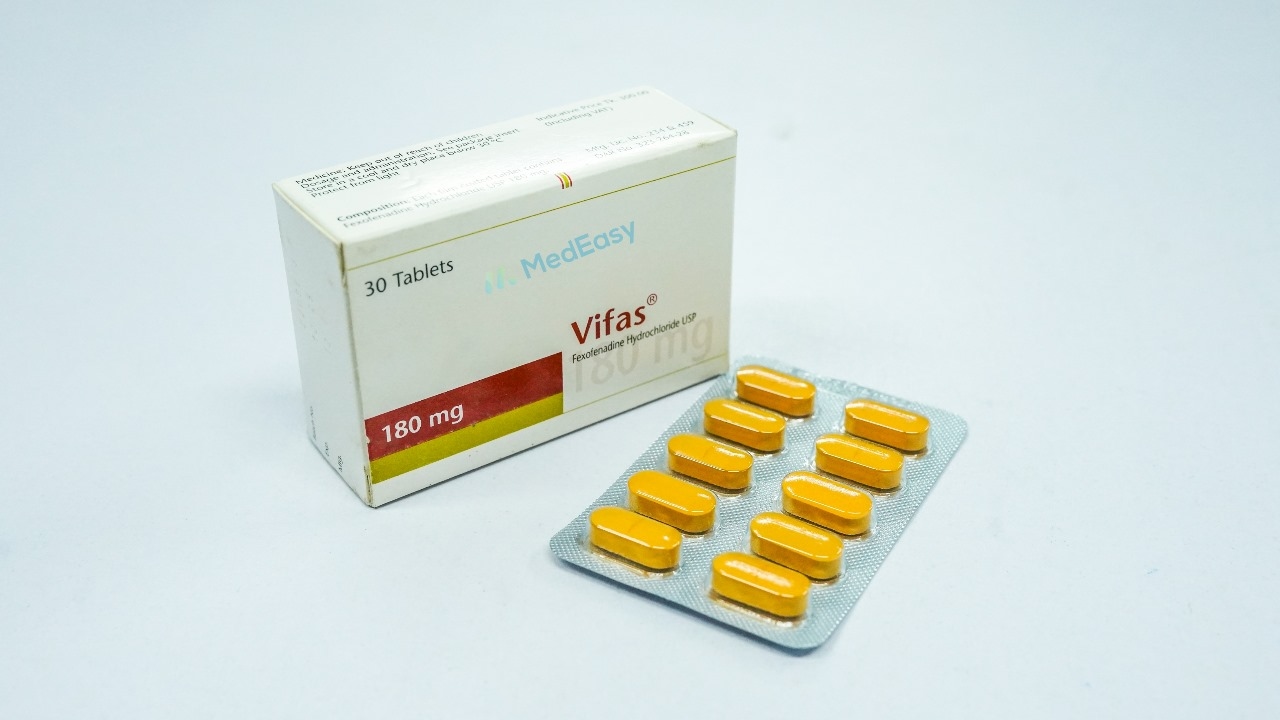
Generic medicine

Fexofenadine Hydrochloride: Brands, Price & Uses in Bangladesh

Fexofenadine Hydrochloride is a second-generation (non-sedating) antihistamine indicated for the relief of symptoms associated with the following conditions: Seasonal Allergic Rhinitis: Relieves…

Forms:Oral SuspensionTablet

About Fexofenadine Hydrochloride

Indications of Fexofenadine Hydrochloride

Fexofenadine Hydrochloride is a second-generation (non-sedating) antihistamine indicated for the relief of symptoms associated with the following conditions:

  • Seasonal Allergic Rhinitis: Relieves sneezing, rhinorrhea (runny nose), itchy/watery eyes, itchy nose, and itchy throat/palate in adults and children. This is an established, FDA-approved indication for Fexofenadine Hydrochloride.
  • Chronic Idiopathic Urticaria: Reduces the number and size of hives (wheals) and relieves associated pruritus (itching) in patients with chronic hives of unknown cause. This is also an established, FDA-approved indication for Fexofenadine Hydrochloride.

Fexofenadine Hydrochloride treats the symptoms of these allergic conditions; it does not cure the underlying allergic tendency and does not prevent anaphylaxis.

Dosage & Administration of Fexofenadine Hydrochloride

Dosage of Fexofenadine Hydrochloride should be individualized based on age, indication, and renal function.

IndicationAge GroupRecommended Dose
Seasonal Allergic RhinitisAdults and children ≥12 years60 mg twice daily, or 180 mg once daily
Seasonal Allergic RhinitisChildren 6-11 years30 mg twice daily
Seasonal Allergic RhinitisChildren 2-5 years30 mg (oral suspension) twice daily
Chronic Idiopathic UrticariaAdults and children ≥12 years60 mg twice daily, or 180 mg once daily
Chronic Idiopathic UrticariaChildren 6-11 years30 mg twice daily
Chronic Idiopathic UrticariaChildren 6 months-11 years15-30 mg (oral suspension) twice daily, per prescriber guidance

Renal impairment: In patients with reduced renal function, a lower starting dose of Fexofenadine Hydrochloride is recommended (e.g., 60 mg once daily in adults) because peak plasma concentration and elimination half-life are increased; dose should be individualized by the physician (see Use in Special Populations).

Administration: Tablets should be swallowed whole with water. The oral suspension should be shaken well before each use and measured with an accurate dosing device. Fexofenadine Hydrochloride should be taken with water; avoid taking with fruit juices (see Interactions).

Side Effects of Fexofenadine Hydrochloride

Fexofenadine Hydrochloride is generally well tolerated. Reported side effects include:

  • Common: Headache, drowsiness (uncommon at recommended doses), dizziness, nausea, fatigue, and dyspepsia.
  • Pediatric patients: Cough, upper respiratory tract infection, otitis media, and fever have been reported in clinical trials of Fexofenadine Hydrochloride.
  • Uncommon/rare (post-marketing): Hypersensitivity reactions (rash, urticaria, pruritus, flushing), angioedema, chest tightness, dyspnea, and rare reports of tachycardia or palpitations.

Patients taking Fexofenadine Hydrochloride should seek medical attention if signs of a severe allergic reaction (swelling of the face/throat, difficulty breathing) occur.

Contraindications of Fexofenadine Hydrochloride

Fexofenadine Hydrochloride is contraindicated in patients with known hypersensitivity to Fexofenadine Hydrochloride or any component of the formulation.

Frequently Asked Questions about Fexofenadine Hydrochloride

What is Fexofenadine Hydrochloride used for?

Fexofenadine Hydrochloride is used to relieve symptoms of seasonal allergic rhinitis (such as sneezing, runny nose, and itchy eyes) and chronic idiopathic urticaria (hives) in adults and children.

Does Fexofenadine Hydrochloride cause drowsiness?

Fexofenadine Hydrochloride is a non-sedating (second-generation) antihistamine and causes minimal to no drowsiness in most people at recommended doses, unlike older first-generation antihistamines. However, individual responses vary, so caution is advised the first time you take it.

Can I take Fexofenadine Hydrochloride with fruit juice?

It is best to avoid taking Fexofenadine Hydrochloride with apple, orange, or grapefruit juice, as these can reduce its absorption and effectiveness. Take Fexofenadine Hydrochloride with plain water instead.

Is Fexofenadine Hydrochloride safe during pregnancy?

Data on Fexofenadine Hydrochloride use in pregnancy are limited. It should only be used during pregnancy if clearly needed and if a physician determines the potential benefit outweighs the potential risk to the fetus. Always consult your doctor before using Fexofenadine Hydrochloride during pregnancy or breastfeeding.

What should I do if I miss a dose of Fexofenadine Hydrochloride?

Take the missed dose of Fexofenadine Hydrochloride as soon as you remember. If it is almost time for your next dose, skip the missed dose and continue your regular schedule; do not double the dose.

What happens if someone takes too much Fexofenadine Hydrochloride?

Overdose of Fexofenadine Hydrochloride may cause dizziness, drowsiness, or dry mouth. If an overdose is suspected, seek immediate medical attention or contact a poison control center right away.

Disclaimer

The information provided is accurate to the best of our knowledge, but it does not replace professional medical advice. We cannot guarantee its completeness or accuracy, and the absence of specific information about a drug should not be taken as an endorsement. We are not responsible for any consequences arising from this information, so please consult a healthcare professional for any concerns or questions.

DoctorBlogArticles