
Generic medicine

Fluocinolone Acetonide: Brands, Price & Uses in Bangladesh

Fluocinolone Acetonide is a synthetic corticosteroid formulated in several different dosage forms, each approved for specific, non-interchangeable indications.

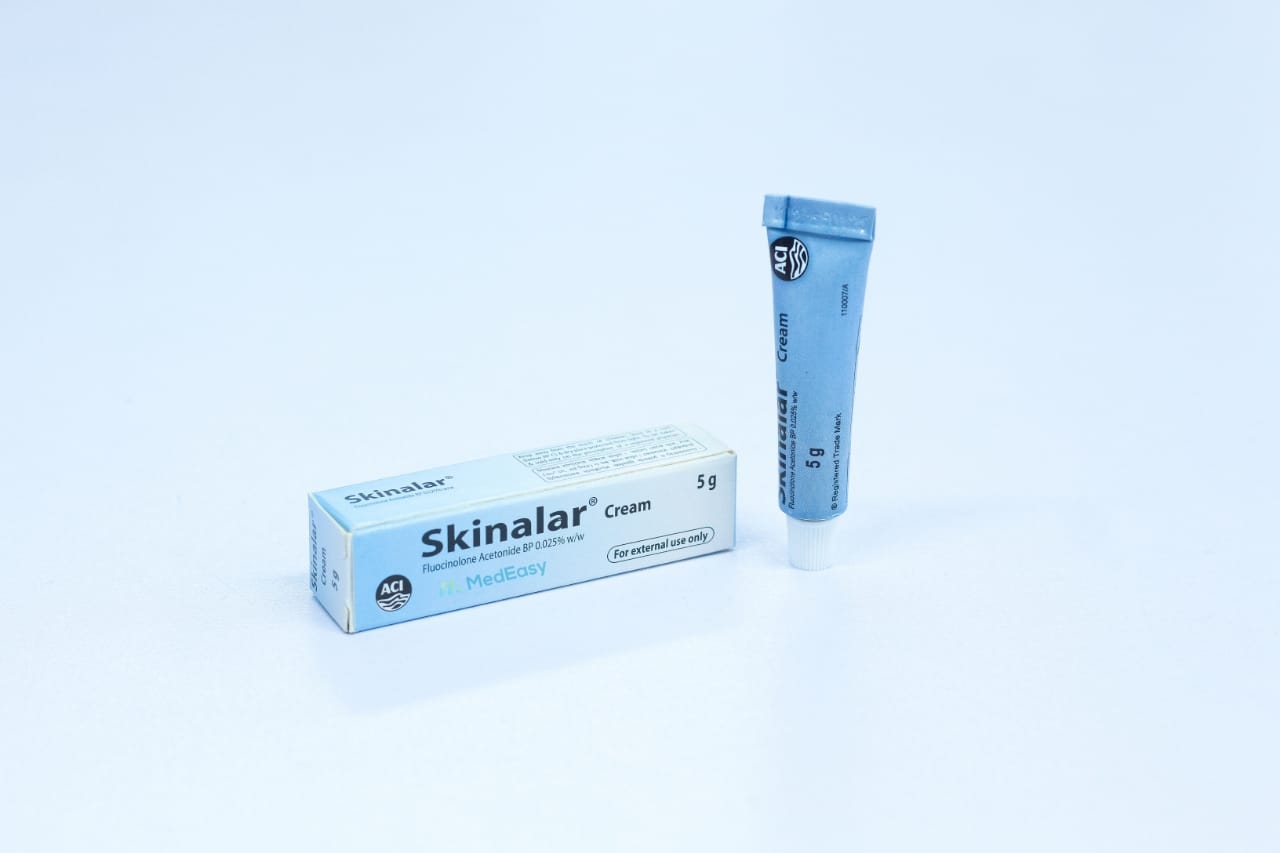
Forms:OintmentCream

About Fluocinolone Acetonide

Indications of Fluocinolone Acetonide

Fluocinolone Acetonide is a synthetic corticosteroid formulated in several different dosage forms, each approved for specific, non-interchangeable indications.

Established / FDA-approved uses

  • Topical cream/ointment/oil/solution (0.01%-0.025%): Relief of the inflammatory and pruritic manifestations of corticosteroid-responsive dermatoses, including atopic dermatitis, eczema, contact dermatitis, seborrheic dermatitis, and psoriasis (excluding widespread plaque psoriasis).
  • Otic solution (0.01%): Chronic eczematous external otitis (inflammatory ear canal conditions).
  • Intravitreal implant, 0.59 mg (surgically inserted): Treatment of chronic non-infectious uveitis affecting the posterior segment of the eye.
  • Intravitreal implant, 0.18 mg/0.19 mg (injected): Treatment of chronic non-infectious uveitis affecting the posterior segment of the eye, and treatment of diabetic macular edema in patients who have previously been treated with a course of corticosteroids and did not have a clinically significant rise in intraocular pressure.

Off-label / less common uses

  • Topical Fluocinolone Acetonide oil is sometimes used off-label for scalp psoriasis and cradle cap in infants under physician supervision.

The specific formulation of Fluocinolone Acetonide prescribed depends entirely on the condition being treated; the different dosage forms are not interchangeable.

Dosage & Administration of Fluocinolone Acetonide

Dosing of Fluocinolone Acetonide is specific to the dosage form and indication. It should always be used exactly as prescribed by a physician.

Topical (cream/ointment/oil), skin conditions - Adults

  • Apply a thin film to the affected area 2 to 4 times daily, depending on product strength and physician instruction.
  • Cream 0.01%/0.025% and ointment 0.025% are typically applied 2-4 times daily; oil 0.01% is often applied to the scalp once or twice daily, or as directed.

Topical, skin conditions - Children

  • Use the lowest effective strength for the shortest duration necessary, under close physician supervision; avoid occlusive dressings.

Otic solution, chronic eczematous external otitis

PopulationDose
Adults5 drops instilled into the affected ear 2-3 times daily
Children3 drops instilled into the affected ear 2-3 times daily, under physician guidance

Intravitreal implant (uveitis / diabetic macular edema)

  • Administered only by a qualified ophthalmologist via surgical insertion (0.59 mg implant) or intravitreal injection (0.18 mg/0.19 mg implant) under sterile conditions.
  • Provides continuous local release of Fluocinolone Acetonide over an extended period (see Duration of Treatment).

No renal or hepatic dose adjustment is established for topical, otic, or intravitreal Fluocinolone Acetonide, as systemic exposure is generally minimal; however, physicians should still exercise caution with extensive or prolonged use.

Side Effects of Fluocinolone Acetonide

Side effects of Fluocinolone Acetonide vary by dosage form.

Topical use

  • Common: burning, stinging, itching, dryness, or irritation at the application site; folliculitis; acneiform eruptions.
  • Less common but significant with prolonged/extensive use: skin atrophy, striae, telangiectasia, hypopigmentation, contact dermatitis, and (rarely) systemic absorption leading to HPA-axis suppression or Cushingoid features, particularly in children or with occlusive use.

Otic use

  • Local irritation, itching, or burning in the ear canal; occasionally superinfection with prolonged use.

Intravitreal implant

  • Common: cataract formation/progression, elevated intraocular pressure, eye pain, conjunctival hyperemia, reduced visual acuity, vitreous floaters.
  • Serious: glaucoma requiring surgery, endophthalmitis, retinal detachment (rare, implant-procedure related).

Patients should report persistent or severe side effects of Fluocinolone Acetonide to their physician promptly.

Contraindications of Fluocinolone Acetonide

Fluocinolone Acetonide is contraindicated in patients with known hypersensitivity to Fluocinolone Acetonide, any other corticosteroid, or any component of the specific formulation being used.

The intravitreal implant form of Fluocinolone Acetonide is additionally contraindicated in patients with active or suspected ocular or periocular infection, including most viral diseases of the cornea and conjunctiva, mycobacterial infections, and fungal diseases of ocular structures.

Frequently Asked Questions about Fluocinolone Acetonide

What is Fluocinolone Acetonide used for?

Fluocinolone Acetonide is a corticosteroid used in different formulations: topical creams/ointments/oils for inflammatory skin conditions like eczema and psoriasis, an otic solution for chronic ear inflammation, and intravitreal implants for chronic non-infectious uveitis and diabetic macular edema.

Can I use Fluocinolone Acetonide on my face?

Fluocinolone Acetonide should only be applied to the face under a physician's specific direction, and typically only for short courses, because facial skin is thinner and more prone to side effects such as skin atrophy and telangiectasia.

Is Fluocinolone Acetonide safe during pregnancy?

Fluocinolone Acetonide has not been adequately studied in pregnant women. It should be used during pregnancy only if the potential benefit justifies the potential risk to the fetus, and only under a physician's supervision, avoiding large areas or prolonged use.

Can children use Fluocinolone Acetonide?

Certain topical and otic formulations of Fluocinolone Acetonide may be used in children under physician supervision, but children are more prone to HPA-axis suppression and Cushingoid side effects, so the lowest effective strength should be used for the shortest necessary duration, avoiding occlusive dressings.

What should I avoid while using Fluocinolone Acetonide?

Avoid contact of topical or otic Fluocinolone Acetonide with the eyes, avoid covering treated skin with airtight dressings unless instructed, and avoid using it on untreated skin infections, as it may mask or worsen infection. Always use Fluocinolone Acetonide exactly as prescribed by your physician.

What if I miss a dose or use too much Fluocinolone Acetonide?

If a dose is missed, apply/use it as soon as remembered unless it is nearly time for the next dose. If you suspect an overdose or excessive systemic absorption of Fluocinolone Acetonide, or notice unusual symptoms, seek immediate medical attention or contact a poison control center.

Disclaimer

The information provided is accurate to the best of our knowledge, but it does not replace professional medical advice. We cannot guarantee its completeness or accuracy, and the absence of specific information about a drug should not be taken as an endorsement. We are not responsible for any consequences arising from this information, so please consult a healthcare professional for any concerns or questions.
DoctorBlogArticles