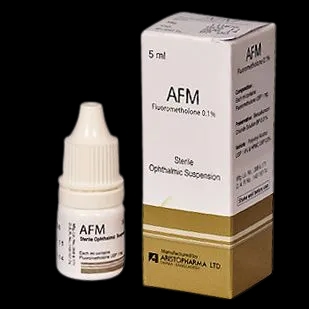
Generic medicine

Fluorometholone Acetate: Brands, Price & Uses in Bangladesh

Fluorometholone Acetate ophthalmic suspension is a corticosteroid eye drop indicated for the treatment of steroid-responsive inflammatory conditions of the eye.

Forms:Ophthalmic Suspension

About Fluorometholone Acetate

Indications of Fluorometholone Acetate

Fluorometholone Acetate ophthalmic suspension is a corticosteroid eye drop indicated for the treatment of steroid-responsive inflammatory conditions of the eye. Its use is supported by regulatory approval as follows:

FDA-Approved Indication

  • Fluorometholone Acetate is indicated for the treatment of steroid-responsive inflammatory conditions of the palpebral and bulbar conjunctiva, cornea, and anterior segment of the globe, such as allergic conjunctivitis, acne rosacea, superficial punctate keratitis, iritis, cyclitis, and selected infective conjunctivitides where the inherent hazard of steroid use is accepted to obtain an advantage in diminishing edema and inflammation.

Common Clinical Uses (Guideline-Supported / Adjunct)

  • Post-operative ocular inflammation following cataract or refractive eye surgery, usually as an adjunct in the peri-operative regimen.
  • Anterior uveitis and iritis, often as part of a broader treatment plan alongside cycloplegics or other agents.
  • Vernal keratoconjunctivitis and other allergic ocular surface conditions unresponsive to antihistamines or mast-cell stabilizers.

Note: Fluorometholone Acetate should be used only under ophthalmologist supervision, as inappropriate use in viral, fungal, or mycobacterial eye infections can worsen the underlying condition (see Contraindications).

Dosage & Administration of Fluorometholone Acetate

Dosing of Fluorometholone Acetate should always follow the prescribing ophthalmologist's instructions. General guidance is as follows:

Population/PhaseTypical Dose
Adults - standard maintenance dosing1-2 drops into the affected eye(s) 4 times daily
Adults - initial 24-48 hours (severe inflammation)Dosing frequency may be increased to 1-2 drops every 2 hours, at physician discretion
Pediatric patientsSafety and efficacy not established; use only under specialist supervision if prescribed (see Use in Special Populations)

Shake the suspension well before each use. Only one bottle of Fluorometholone Acetate should be dispensed initially; a follow-up eye examination is recommended before any refill is provided, since prolonged use carries risk of elevated intraocular pressure and other complications.

Side Effects of Fluorometholone Acetate

Adverse effects associated with Fluorometholone Acetate are generally local to the eye and depend on dose and duration of use.

Common

  • Transient burning, stinging, or discomfort on instillation
  • Blurred vision immediately after application
  • Eye irritation or foreign body sensation

Less Common / Serious (usually with prolonged use)

  • Elevated intraocular pressure / glaucoma with possible optic nerve damage and visual field defects
  • Posterior subcapsular cataract formation
  • Secondary ocular infection (bacterial, viral, or fungal) due to masking or suppression of the immune response
  • Delayed corneal or scleral wound healing; rarely, corneal/scleral perforation in eyes with pre-existing thinning
  • Altered taste (dysgeusia) reported post-marketing
  • Rarely, systemic effects such as adrenal suppression or Cushing's syndrome features with excessive/prolonged use

Contraindications of Fluorometholone Acetate

Fluorometholone Acetate is contraindicated in the following conditions:

  • Known hypersensitivity to fluorometholone, fluorometholone acetate, or any component of the formulation.
  • Most viral diseases of the cornea and conjunctiva, including epithelial herpes simplex keratitis (dendritic keratitis), vaccinia, and varicella.
  • Mycobacterial infection of the eye.
  • Fungal diseases of ocular structures.
  • Acute, untreated purulent bacterial ocular infections, where steroid use may mask or worsen the infection.

Frequently Asked Questions about Fluorometholone Acetate

What is Fluorometholone Acetate used for?

Fluorometholone Acetate is an ophthalmic corticosteroid eye drop used to treat steroid-responsive inflammation of the eye, such as allergic conjunctivitis, inflammation after eye surgery, and certain forms of uveitis or keratitis, as prescribed by an ophthalmologist.

How should I use Fluorometholone Acetate eye drops?

Shake the bottle well, then instill 1-2 drops into the affected eye(s) up to 4 times daily, or as directed by your doctor. In severe inflammation, your doctor may ask you to use it more frequently for the first 24-48 hours. Always wash your hands before use and avoid touching the dropper tip to your eye.

Can I wear contact lenses while using Fluorometholone Acetate?

Remove soft contact lenses before instilling Fluorometholone Acetate, as the preservative can be absorbed by the lens material and cause irritation. You can generally reinsert lenses at least 15 minutes after using the drops, unless your doctor advises otherwise.

What are the main risks of using Fluorometholone Acetate for a long time?

Prolonged use of Fluorometholone Acetate (more than about 10 days) can raise intraocular pressure and increase the risk of glaucoma, optic nerve damage, and cataract formation. It can also mask or worsen eye infections and slow corneal healing. For this reason, your doctor may want to check your eye pressure periodically and will not usually prescribe long-term refills without re-examining you.

Is Fluorometholone Acetate safe during pregnancy or breastfeeding?

Fluorometholone Acetate has not been well studied in pregnant women, and animal studies with fluorometholone have shown a risk of fetal harm at high exposures. It should only be used during pregnancy if your doctor determines the benefit outweighs the potential risk. Because systemic corticosteroids can pass into breast milk, breastfeeding mothers should also consult their physician before using Fluorometholone Acetate.

Who should not use Fluorometholone Acetate?

Fluorometholone Acetate should not be used by anyone with a known hypersensitivity to it or its ingredients, or by patients with certain untreated viral (such as active herpes simplex keratitis), fungal, or mycobacterial eye infections, as it can worsen these conditions. Always confirm the diagnosis with an eye doctor before starting treatment.

Disclaimer

The information provided is accurate to the best of our knowledge, but it does not replace professional medical advice. We cannot guarantee its completeness or accuracy, and the absence of specific information about a drug should not be taken as an endorsement. We are not responsible for any consequences arising from this information, so please consult a healthcare professional for any concerns or questions.

DoctorBlogArticles