Generic medicine

Fluorometholone + Tetrahydrozoline: Brands, Price & Uses in Bangladesh

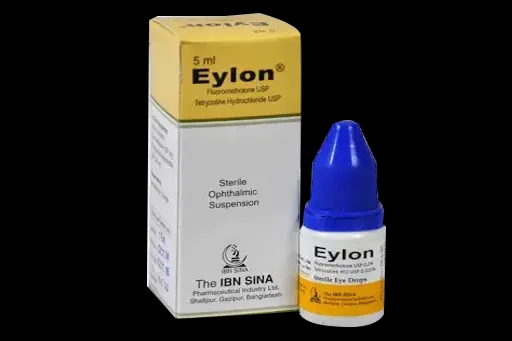
Fluorometholone + Tetrahydrozoline ophthalmic solution is indicated for the short-term symptomatic relief of ocular inflammation accompanied by conjunctival redness (hyperemia) and more.

Forms:Ophthalmic Solution

About Fluorometholone + Tetrahydrozoline

Indications of Fluorometholone + Tetrahydrozoline

Fluorometholone + Tetrahydrozoline ophthalmic solution is indicated for the short-term symptomatic relief of ocular inflammation accompanied by conjunctival redness (hyperemia), where a corticosteroid is indicated and where the reduction of hyperemia is also desired.

Established / guideline-supported uses

  • Acute and chronic allergic (non-infectious) conjunctivitis with significant conjunctival congestion/redness.
  • Steroid-responsive inflammatory conditions of the palpebral and bulbar conjunctiva, cornea, and anterior segment of the globe (e.g., allergic conjunctivitis, vernal conjunctivitis, episcleritis) where a mild corticosteroid is appropriate.
  • Post-operative inflammation and irritation following ocular surgery, as an adjunct to standard post-operative care.

Not indicated for

Fluorometholone + Tetrahydrozoline is not indicated for infectious (bacterial, viral, fungal, or mycobacterial) conjunctivitis or keratitis, or for chronic, unsupervised use to simply "whiten" the eyes, since this can mask a more serious underlying condition (see Contraindications).

Dosage & Administration of Fluorometholone + Tetrahydrozoline

Adults

IndicationDose
Allergic conjunctivitis / steroid-responsive inflammation with rednessInstill 1 drop of Fluorometholone + Tetrahydrozoline into the affected conjunctival sac(s) 2–3 times daily.
Severe inflammation (initial phase)Frequency may be increased to hourly during the first 24–48 hours under close medical supervision, then tapered as inflammation improves.

Pediatric patients

Safety and efficacy of Fluorometholone + Tetrahydrozoline have not been established in children under 2 years of age. In older children, use only under direct medical supervision at the lowest effective frequency (see Use in Special Populations).

Administration technique

  • Wash hands before use; avoid touching the dropper tip to the eye, eyelid, or any surface, to prevent contamination.
  • Tilt the head back, gently pull down the lower eyelid to form a small pocket, and instill the prescribed number of drops.
  • Close the eye gently for 1–2 minutes and apply light pressure at the inner corner of the eye (nasolacrimal occlusion) to reduce systemic absorption.
  • If using another eye drop concurrently, wait at least 5 minutes between products.
  • Remove soft contact lenses before instillation; they may be reinserted after the interval advised by the prescriber.

Fluorometholone + Tetrahydrozoline is intended for short-course use as directed by a physician; do not use continuously beyond the prescribed duration without medical review (see Duration of Treatment and Precautions).

Side Effects of Fluorometholone + Tetrahydrozoline

Reported adverse effects of Fluorometholone + Tetrahydrozoline include:

Common / local

  • Transient burning or stinging on instillation.
  • Mild pupillary dilation (mydriasis) with transient blurring of vision.
  • Reactive (rebound) conjunctival hyperemia if used too frequently or for too long.

Less common but significant (usually with prolonged use)

  • Elevated intraocular pressure/glaucoma.
  • Posterior subcapsular cataract formation.
  • Delayed corneal/wound healing and, rarely, corneal thinning or perforation.
  • Secondary ocular infection (bacterial, viral, or fungal) due to masking of symptoms or local immunosuppression.
  • Rarely, systemic sympathomimetic effects (headache, palpitations, elevated blood pressure), particularly with excessive or prolonged use.

Contraindications of Fluorometholone + Tetrahydrozoline

Fluorometholone + Tetrahydrozoline is contraindicated in:

  • Known hypersensitivity to fluorometholone, tetrahydrozoline, or any excipient in the formulation.
  • Most viral diseases of the cornea and conjunctiva, including epithelial herpes simplex keratitis (dendritic keratitis), vaccinia, and varicella.
  • Mycobacterial infection of the eye.
  • Fungal diseases of ocular structures.
  • Narrow-angle glaucoma (uncontrolled), because the vasoconstrictor/sympathomimetic action of tetrahydrozoline can precipitate acute angle closure in predisposed individuals.

Frequently Asked Questions about Fluorometholone + Tetrahydrozoline

What is Fluorometholone + Tetrahydrozoline eye drop used for?

Fluorometholone + Tetrahydrozoline is used for short-term relief of eye inflammation associated with redness, such as allergic conjunctivitis and certain steroid-responsive inflammatory conditions of the eye, including after some types of eye surgery. It combines an anti-inflammatory corticosteroid (fluorometholone) with a decongestant (tetrahydrozoline) that reduces redness.

How should I use Fluorometholone + Tetrahydrozoline?

Instill 1 drop of Fluorometholone + Tetrahydrozoline into the affected eye 2–3 times daily, or as directed by your physician; in severe cases the frequency may be increased temporarily and then tapered. Wash your hands first, avoid touching the dropper tip to your eye, and do not use it for longer than your doctor has advised.

Can I use Fluorometholone + Tetrahydrozoline if I wear contact lenses?

Remove soft contact lenses before instilling Fluorometholone + Tetrahydrozoline and ask your prescriber when it is safe to reinsert them, since the preservative in the solution can be absorbed by soft lenses.

Is Fluorometholone + Tetrahydrozoline safe during pregnancy or breastfeeding?

There are no adequate studies of Fluorometholone + Tetrahydrozoline in pregnant or breastfeeding women. Although absorption into the bloodstream from eye drops is generally low, Fluorometholone + Tetrahydrozoline should be used during pregnancy or breastfeeding only if your physician decides it is clearly needed, weighing the potential benefit against any potential risk.

What if my eyes become redder after using Fluorometholone + Tetrahydrozoline for a while?

Worsening redness after repeated or prolonged use of Fluorometholone + Tetrahydrozoline may be a sign of rebound hyperemia caused by the decongestant component, or a sign of raised eye pressure from the corticosteroid component. Stop using Fluorometholone + Tetrahydrozoline and contact your physician promptly rather than using it more frequently.

What happens if Fluorometholone + Tetrahydrozoline is accidentally swallowed?

Accidental ingestion of Fluorometholone + Tetrahydrozoline, especially by a child, can be dangerous because the decongestant component can cause serious effects such as drowsiness, low body temperature, slowed heart rate, and low blood pressure. Seek immediate medical attention or contact emergency services/poison control right away if this happens.

Disclaimer

The information provided is accurate to the best of our knowledge, but it does not replace professional medical advice. We cannot guarantee its completeness or accuracy, and the absence of specific information about a drug should not be taken as an endorsement. We are not responsible for any consequences arising from this information, so please consult a healthcare professional for any concerns or questions.

DoctorBlogArticles