Generic medicine

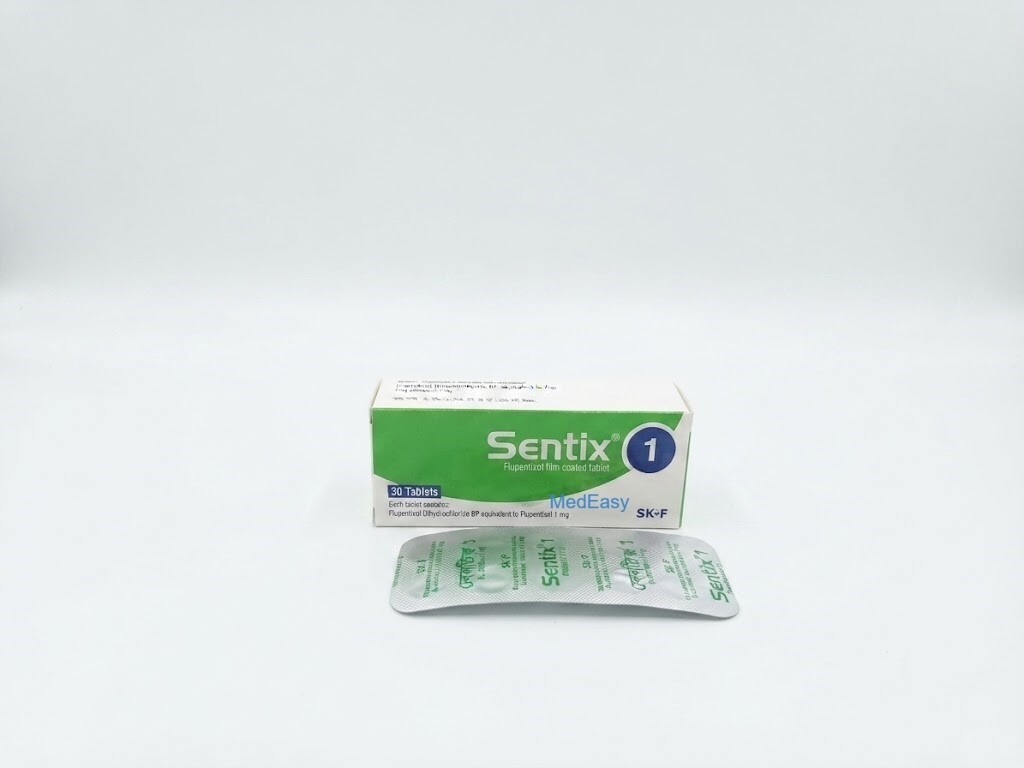
Flupentixol: Brands, Price & Uses in Bangladesh

Flupentixol is a first-generation (typical) antipsychotic of the thioxanthene class.

Forms:Tablet

About Flupentixol

Indications of Flupentixol

Flupentixol is a first-generation (typical) antipsychotic of the thioxanthene class. Its use can be classified by strength of evidence as follows:

Established / Guideline-Supported Uses

  • Schizophrenia and other chronic psychotic disorders - Flupentixol (oral tablets or long-acting depot injection) is widely approved outside the United States for the management of schizophrenia, particularly for patients who benefit from a long-acting injectable formulation due to poor treatment adherence.
  • Maintenance treatment of chronic psychosis, including management of positive symptoms (delusions, hallucinations) and, to a lesser extent, negative symptoms.

Lower-Dose / Regionally Licensed Use

  • In some countries where it is licensed, low-dose Flupentixol is used for short-term treatment of mild to moderate depressive symptoms and associated anxiety, generally as a second-line option when other therapies are unsuitable.

Important Limitation

Flupentixol is not approved for the treatment of dementia-related psychosis in elderly patients. Antipsychotic medicines, including Flupentixol, are associated with an increased risk of death when used in elderly patients with dementia-related psychosis (see Precautions and Warnings).

Note: Flupentixol does not have marketing approval in the United States (no FDA/DailyMed listing); it is approved and used in the United Kingdom, European Union, Canada, Australia, and a number of countries in Asia and Africa, including Bangladesh.

Dosage & Administration of Flupentixol

Dosage by Indication

IndicationFormulationTypical Dosing
Schizophrenia / chronic psychosis (acute or maintenance)Oral tabletsInitial 3-9 mg/day, adjusted according to response; maintenance usually up to a maximum of 18 mg/day given once daily or in divided doses. Lower starting doses are used in elderly or debilitated patients.
Maintenance of schizophrenia (adherence difficulties)Depot (decanoate) intramuscular injectionA small test dose (e.g., 20 mg) is often given first to assess tolerability, followed by maintenance doses typically in the range of 20-40 mg every 2-4 weeks, individualized and not usually exceeding 400 mg every 2 weeks.
Mild to moderate depressive symptoms (where regionally licensed)Oral tablets, low doseTypically 1 mg once or twice daily; treatment is generally short-term and reassessed if there is no improvement within a few weeks.

Administration

  • Oral tablets may be taken with or without food; swallow whole with water. Once-daily dosing is often given in the morning because of an alerting/activating effect at lower doses.
  • The decanoate depot injection must be administered by a trained healthcare professional via deep intramuscular injection (e.g., gluteal muscle), with injection sites rotated.
  • Dose titration and choice of formulation should always be individualized by the prescribing physician based on response and tolerability.

Renal/Hepatic Impairment

Specific dose-adjustment guidelines are not well established; Flupentixol should be used cautiously and at lower doses in patients with significant hepatic or renal impairment, with close clinical monitoring.

Side Effects of Flupentixol

Side effects of Flupentixol are generally dose-related.

FrequencyEffects
CommonExtrapyramidal symptoms (tremor, rigidity, restlessness), sedation/drowsiness, insomnia, dizziness, headache, dry mouth, constipation, blurred vision, nausea, hyperprolactinemia (may cause menstrual irregularities, galactorrhea, sexual dysfunction), weight changes, sweating.
UncommonOrthostatic hypotension, palpitations, fainting, photosensitivity reactions.
Rare but seriousNeuroleptic malignant syndrome, tardive dyskinesia, QT interval prolongation/torsades de pointes, seizures, blood dyscrasias (leukopenia, agranulocytosis), liver function abnormalities/jaundice.

Patients should seek prompt medical attention for high fever, severe muscle stiffness, confusion, irregular heartbeat, or involuntary movements while taking Flupentixol.

Contraindications of Flupentixol

Flupentixol is contraindicated in patients with:

  • Known hypersensitivity to Flupentixol or other thioxanthene derivatives.
  • Central nervous system depression or comatose states.
  • Circulatory collapse.
  • Severe cardiac disease with significant hypotension.

Flupentixol should also not be used in patients with pheochromocytoma or long QT syndrome, as these are established absolute contraindications for this agent. Other cautions (e.g., dementia-related psychosis, Parkinson's disease, hepatic/renal impairment) are addressed under Precautions and Warnings and do not constitute absolute contraindications.

Frequently Asked Questions about Flupentixol

What is Flupentixol used for?

Flupentixol is a first-generation antipsychotic used mainly for schizophrenia and other chronic psychotic disorders. In some countries where it is licensed at low doses, it is also used short-term for mild to moderate depressive symptoms. It is not approved for dementia-related psychosis in elderly patients.

How is Flupentixol taken?

Flupentixol is available as oral tablets, taken once or in divided doses daily as prescribed, and as a long-acting depot injection given intramuscularly by a healthcare professional every 2 to 4 weeks. Always follow your physician's specific instructions and do not change your dose without medical advice.

Can Flupentixol be used during pregnancy?

Flupentixol should be used during pregnancy only if clearly needed and if the potential benefit outweighs the potential risk to the baby, since data are limited and antipsychotics used late in pregnancy can cause symptoms in the newborn. Always consult your physician before using Flupentixol if you are pregnant or planning pregnancy.

What are the serious side effects to watch for with Flupentixol?

While taking Flupentixol, seek immediate medical attention if you develop high fever, severe muscle stiffness, confusion, irregular heartbeat, or uncontrollable movements of the face or body, as these may indicate rare but serious reactions such as neuroleptic malignant syndrome, tardive dyskinesia, or a heart rhythm problem.

Who should not take Flupentixol?

Flupentixol should not be used by anyone with a known hypersensitivity to flupentixol or other thioxanthene medicines, those in a comatose state or with central nervous system depression, patients with circulatory collapse, or those with severe cardiac disease causing significant low blood pressure. Discuss your full medical history with your physician before starting Flupentixol.

What should I do if I miss a dose or take too much Flupentixol?

If you miss a dose of Flupentixol, take it as soon as you remember unless it is almost time for the next dose; do not double the dose. If you or someone else has taken too much Flupentixol, seek immediate medical attention or contact emergency services / a poison control center right away, as overdose can cause serious sedation, low blood pressure, heart rhythm problems, or seizures.

Disclaimer

The information provided is accurate to the best of our knowledge, but it does not replace professional medical advice. We cannot guarantee its completeness or accuracy, and the absence of specific information about a drug should not be taken as an endorsement. We are not responsible for any consequences arising from this information, so please consult a healthcare professional for any concerns or questions.
DoctorBlogArticles