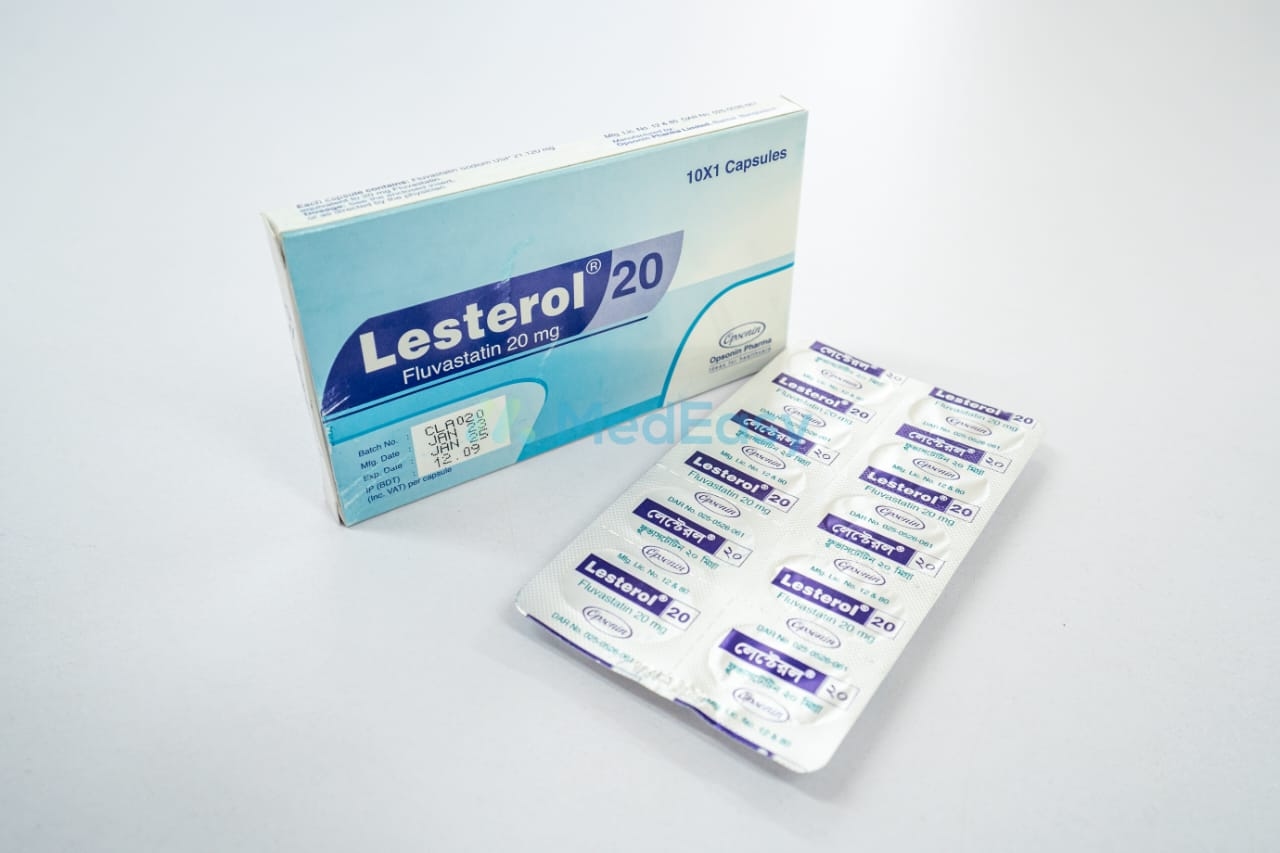
Generic medicine

Fluvastatin: Brands, Price & Uses in Bangladesh

Fluvastatin is a statin (HMG-CoA reductase inhibitor) indicated for the management of dyslipidemia and for reducing cardiovascular risk.

Forms:CapsuleTablet

About Fluvastatin

Indications of Fluvastatin

Fluvastatin is a statin (HMG-CoA reductase inhibitor) indicated for the management of dyslipidemia and for reducing cardiovascular risk. Indications are classified below by strength of evidence.

Established / FDA-approved uses

  • Primary hyperlipidemia and mixed dyslipidemia: Fluvastatin is indicated, as an adjunct to diet, to reduce elevated total cholesterol, LDL-cholesterol, apolipoprotein B, and triglycerides in adults with primary hypercholesterolemia (Fredrickson type IIa) and mixed dyslipidemia (type IIb).
  • Slowing progression of coronary atherosclerosis: Fluvastatin is indicated to slow the progression of coronary atherosclerosis in patients with coronary heart disease as part of a treatment strategy that also lowers total-C and LDL-C.
  • Reduction of risk of coronary revascularization procedures: Fluvastatin is indicated to reduce the risk of undergoing coronary revascularization procedures in patients with coronary heart disease.
  • Heterozygous familial hypercholesterolemia (pediatric, ≥10 years): Fluvastatin is indicated, as an adjunct to diet, to reduce LDL-C in adolescents with heterozygous familial hypercholesterolemia who require the 80 mg dose.

Adjunct-therapy note

Fluvastatin is always intended to be used together with diet, exercise, and weight management as first-line measures; it is an adjunct to, not a replacement for, lifestyle modification.

Off-label use

Fluvastatin is occasionally used off-label for lipid management in select post-transplant patients (owing to fewer CYP3A4-mediated interactions with immunosuppressants than some other statins), but this is not an FDA-approved indication and should only be undertaken under specialist supervision.

Dosage & Administration of Fluvastatin

Dosage of Fluvastatin should be individualized according to the indication, baseline LDL-C, treatment goal, and patient response, with periodic lipid monitoring (e.g., at 4-week intervals) and dose adjustment as needed.

IndicationRecommended dosing
Primary hyperlipidemia / mixed dyslipidemia (adults)Initial: 20–40 mg once daily (immediate-release, in the evening) or 80 mg once daily (extended-release). Range: 20–80 mg/day, given once daily or as 40 mg twice daily if >40 mg/day of immediate-release is needed.
Slowing coronary atherosclerosis / reducing revascularization risk40 mg twice daily (immediate-release) or 80 mg once daily (extended-release).
Heterozygous familial hypercholesterolemia, adolescents ≥10 years80 mg once daily (extended-release only); do not initiate therapy directly with the extended-release 80 mg tablet — dose should first be titrated using an immediate-release formulation.

Renal impairment

No dosage adjustment is generally required in mild-to-moderate renal impairment. Fluvastatin should be used with caution and at the lowest effective dose in patients with severe renal impairment, with close monitoring for myopathy.

Hepatic impairment

Fluvastatin is contraindicated in patients with active liver disease or unexplained persistent elevations of serum transaminases (see Contraindications). Liver function should be assessed before starting therapy and if symptoms suggestive of hepatotoxicity occur.

Side Effects of Fluvastatin

The most commonly reported adverse effects of Fluvastatin (generally mild) include:

  • Headache
  • Dyspepsia and abdominal discomfort
  • Nausea
  • Influenza-like symptoms, sinusitis, bronchitis
  • Myalgia (mild muscle aches)
  • Insomnia

Less common but more serious effects — including myopathy/rhabdomyolysis, liver enzyme elevation, and immune-mediated necrotizing myopathy — are discussed in detail under Precautions and Warnings; patients experiencing unexplained muscle pain, weakness, or dark urine should seek medical attention promptly.

Contraindications of Fluvastatin

Fluvastatin is contraindicated in:

  • Patients with known hypersensitivity to Fluvastatin or any component of the formulation.
  • Patients with active liver disease, including unexplained persistent elevations of serum transaminases.
  • Pregnancy — Fluvastatin may cause fetal harm; it should be discontinued immediately if pregnancy occurs (see Pregnancy and Lactation).
  • Breastfeeding — Fluvastatin is contraindicated during lactation (see Pregnancy and Lactation).

Frequently Asked Questions about Fluvastatin

What is Fluvastatin used for?

Fluvastatin is a statin medicine used to lower high LDL ("bad") cholesterol and triglycerides, and to reduce the risk of heart disease complications in adults with high cholesterol, as well as in adolescents 10 years and older with a specific inherited high-cholesterol condition (heterozygous familial hypercholesterolemia). It is always used together with a healthy diet.

How should I take Fluvastatin?

Take Fluvastatin exactly as prescribed by your physician, at about the same time each day. Extended-release tablets can be taken with or without food; immediate-release forms are usually taken in the evening. Swallow tablets/capsules whole; do not crush or chew unless told otherwise.

Can I take Fluvastatin if I am pregnant or breastfeeding?

No. Fluvastatin is contraindicated in pregnancy because it may harm the developing baby, and it is also contraindicated during breastfeeding. If you become pregnant or are planning pregnancy while taking Fluvastatin, stop the medicine and contact your physician immediately.

What side effects should prompt me to call my doctor?

Contact your physician promptly if you experience unexplained muscle pain, tenderness, or weakness, dark-colored urine, unusual tiredness, yellowing of the skin or eyes, or abdominal pain, as these can be signs of muscle injury (myopathy/rhabdomyolysis) or liver problems associated with Fluvastatin.

Are there medicines I should avoid while taking Fluvastatin?

Yes. Combining Fluvastatin with cyclosporine, certain fibrate medicines (like gemfibrozil), high-dose niacin, or fluconazole can increase the risk of serious muscle side effects. Fluvastatin can also increase the effect of warfarin (blood thinner). Always tell your doctor and pharmacist about all medicines, supplements, and herbal products you take.

What should I do if I take too much Fluvastatin?

If an overdose of Fluvastatin is suspected, seek immediate medical attention or contact a poison control center/emergency services right away. Do not try to treat an overdose at home.

Disclaimer

The information provided is accurate to the best of our knowledge, but it does not replace professional medical advice. We cannot guarantee its completeness or accuracy, and the absence of specific information about a drug should not be taken as an endorsement. We are not responsible for any consequences arising from this information, so please consult a healthcare professional for any concerns or questions.

DoctorBlogArticles