Generic medicine

Folic Acid: Brands, Price & Uses in Bangladesh

Folic acid (vitamin B9) is indicated for the following: Established/FDA-approved uses Treatment of megaloblastic and macrocytic anemias caused by folate deficiency (e.g.

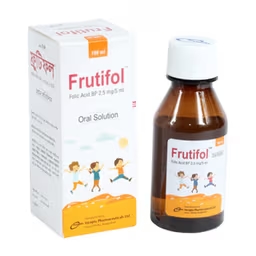
Forms:SyrupTabletOral SolutionCapsule

About Folic Acid

Indications of Folic Acid

Folic acid (vitamin B9) is indicated for the following:

Established/FDA-approved uses

  • Treatment of megaloblastic and macrocytic anemias caused by folate deficiency (e.g. due to poor diet, malabsorption, pregnancy, alcoholism, or hemolytic anemia).
  • Treatment and prevention of folate-deficiency states.

Guideline-supported use

  • Periconceptional supplementation (before conception and during early pregnancy) to reduce the risk of fetal neural tube defects (e.g. spina bifida, anencephaly). Standard recommended dose for average-risk women is 400–800 mcg daily; women with a prior neural tube defect-affected pregnancy or other high-risk factors may be advised much higher doses (e.g. 4–5 mg daily) under medical supervision.

Adjunct use

  • Adjunct therapy with low-dose methotrexate in non-oncologic conditions (e.g. rheumatoid arthritis, psoriasis) to reduce methotrexate-related gastrointestinal and hepatic toxicity, without significantly reducing methotrexate's therapeutic effect.

Folic acid is not indicated as sole therapy for pernicious anemia or other vitamin B12-deficiency anemias (see Contraindications).

Dosage & Administration of Folic Acid

Adult Dose

IndicationTypical Dose
Folate-deficiency anemia (treatment)1 mg orally once daily (up to 5 mg daily in severe deficiency or malabsorption), until hematologic recovery and correction of the underlying cause
Folate-deficiency maintenance / general supplementation400 mcg (0.4 mg) orally once daily
Periconceptional / pregnancy (average risk)400–800 mcg orally once daily, started at least 1 month before conception and continued through the first trimester
Periconceptional (high risk, e.g. prior neural tube defect pregnancy)4–5 mg orally once daily, as advised by a physician, starting at least 1 month before conception
Adjunct to low-dose methotrexate1–5 mg orally once daily or once weekly (on non-methotrexate days), as directed by the prescribing physician

Pediatric Dose

AgeTypical Dose
Infants0.1 mg (100 mcg) orally once daily
Children 1–3 years0.3 mg (300 mcg) orally once daily
Children 4 years and older0.4 mg (400 mcg) orally once daily; up to 1 mg daily may be used for diagnosed folate-deficiency anemia under medical supervision

Administration

Folic acid tablets may be taken with or without food, generally at the same time each day. Swallow the tablet whole with a glass of water unless the product is labeled as chewable or dispersible.

Renal/Hepatic Adjustment

No specific dose adjustment is well-established for renal or hepatic impairment; patients on hemodialysis may require supplemental folate due to dialysis-related losses — dose as directed by a physician.

Side Effects of Folic Acid

Folic acid is generally very well tolerated at recommended doses. Reported side effects are uncommon and include:

  • Mild gastrointestinal upset (nausea, bloating, loss of appetite) — rare.
  • Altered or bitter taste — rare.
  • Allergic reactions (skin rash, itching, or, very rarely, more severe hypersensitivity reactions) — rare, more often reported with high or parenteral doses.
  • Sleep disturbance or irritability has been reported anecdotally at high doses, though not well established.

Seek medical attention if signs of an allergic reaction (rash, swelling, difficulty breathing) occur.

Contraindications of Folic Acid

Folic acid is contraindicated in:

  • Patients with known hypersensitivity to Folic acid or any component of the formulation.
  • Use as the sole treatment of pernicious anemia or other anemias caused by vitamin B12 deficiency — Folic acid can correct the megaloblastic blood picture while the underlying B12 deficiency continues untreated, allowing progressive and potentially irreversible neurological damage to occur undetected. Vitamin B12 status must be evaluated and treated appropriately before or alongside Folic acid therapy in suspected B12 deficiency.

Frequently Asked Questions about Folic Acid

What is Folic acid used for?

Folic acid is used to treat and prevent folate-deficiency anemia, to support healthy fetal neural tube development when taken before and during early pregnancy, and as an adjunct with low-dose methotrexate to reduce side effects in conditions like rheumatoid arthritis.

Can I take Folic acid during pregnancy?

Yes. Folic acid is well established as beneficial during pregnancy and is routinely recommended, typically 400–800 mcg daily starting before conception and continuing through the first trimester, to reduce the risk of neural tube defects. Higher doses may be advised for women at higher risk; consult a physician to confirm the right dose for you.

Can Folic acid alone treat vitamin B12 deficiency anemia?

No. Folic acid should not be used alone to treat anemia caused by vitamin B12 deficiency or pernicious anemia, because it can correct the blood abnormalities while underlying nerve damage from B12 deficiency continues to progress unnoticed. Vitamin B12 levels should be checked and treated appropriately alongside or before starting Folic acid.

What are the side effects of Folic acid?

Folic acid is generally very well tolerated. Rarely, it may cause mild nausea, bloating, altered taste, or allergic reactions such as rash or itching. Seek medical attention if you notice signs of a severe allergic reaction such as swelling or difficulty breathing.

Does Folic acid interact with any medicines?

Yes. Folic acid may reduce blood levels of phenytoin (used for seizures), which could affect seizure control, and it may antagonize methotrexate when methotrexate is used for cancer treatment (though it is often intentionally combined with low-dose methotrexate for other conditions under medical supervision). Sulfasalazine may also reduce folate absorption. Tell your doctor about all medicines you are taking before starting Folic acid.

What should I do if I miss a dose or take too much Folic acid?

If you miss a dose, take it as soon as you remember unless it is almost time for the next dose; do not double up. Folic acid has low toxicity, but if a substantially excessive amount has been taken or you notice unusual symptoms, seek immediate medical attention or contact a poison control center.

Disclaimer

The information provided is accurate to the best of our knowledge, but it does not replace professional medical advice. We cannot guarantee its completeness or accuracy, and the absence of specific information about a drug should not be taken as an endorsement. We are not responsible for any consequences arising from this information, so please consult a healthcare professional for any concerns or questions.

DoctorBlogArticles