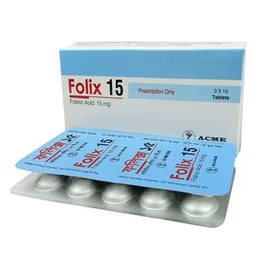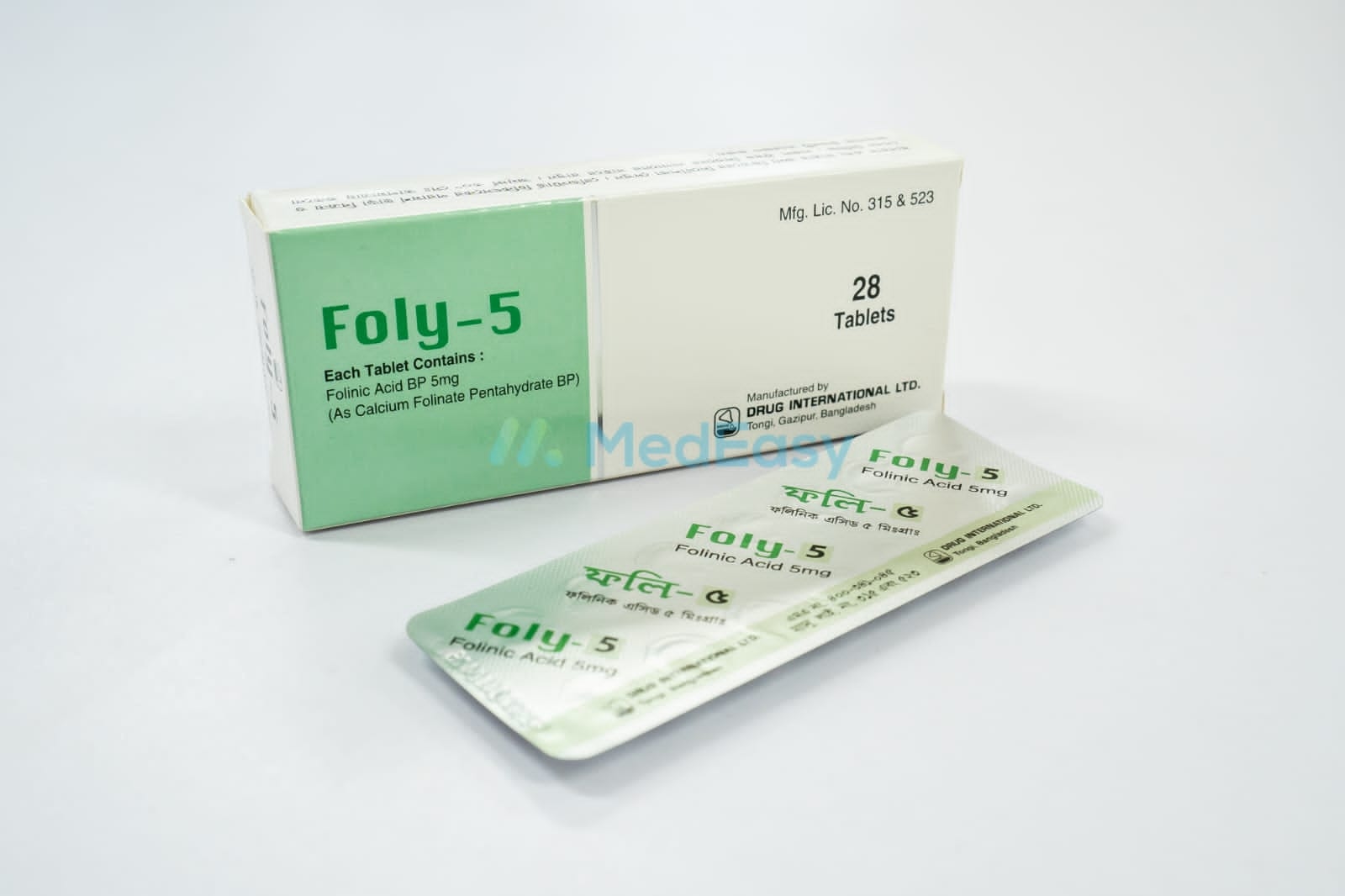
Generic medicine

Folinic Acid: Brands, Price & Uses in Bangladesh

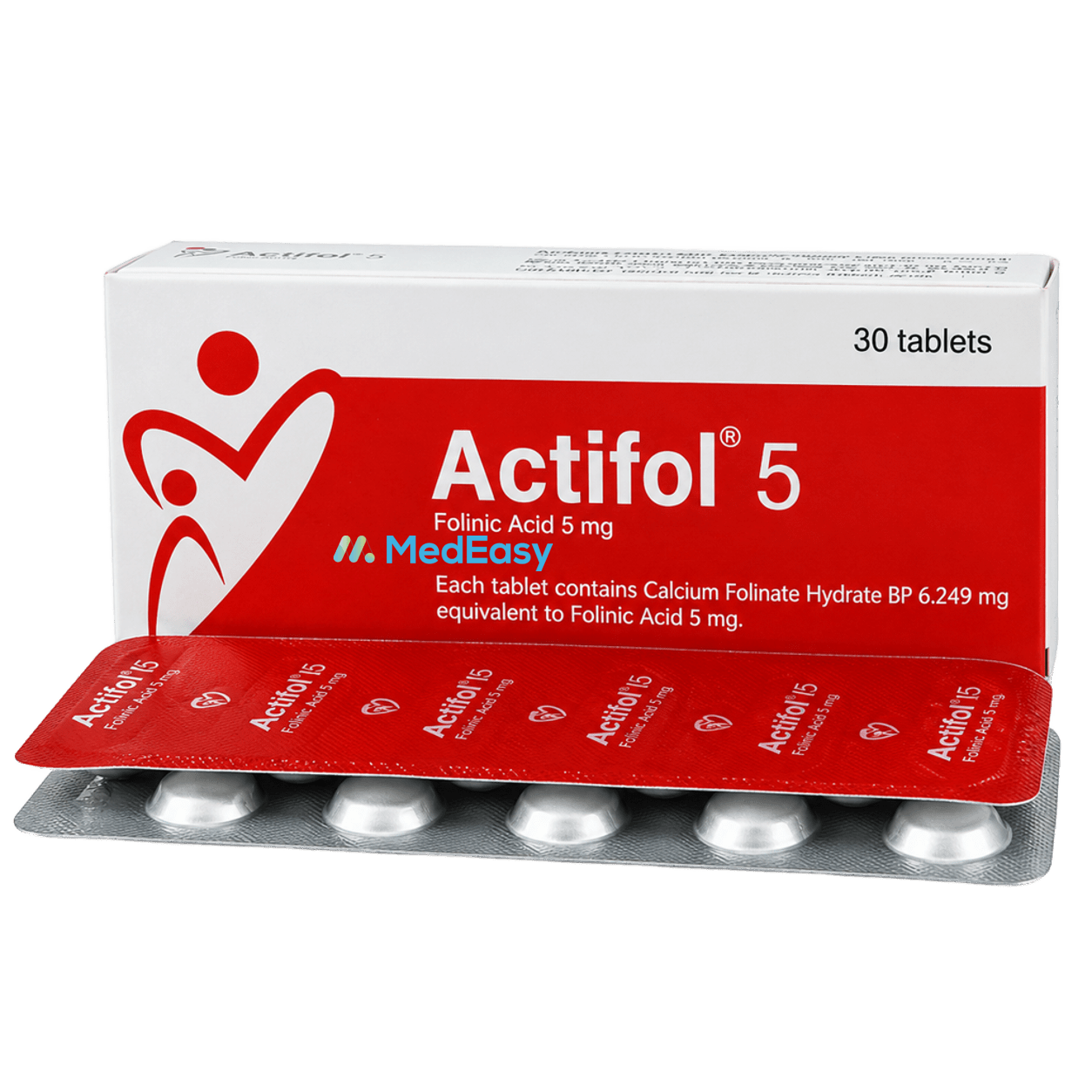
Folinic Acid is a reduced form of folate with several well-established clinical uses: Methotrexate (folic acid antagonist) toxicity "rescue" therapy: This is an FDA-approved and more.

Forms:Tablet

About Folinic Acid

Indications of Folinic Acid

Folinic Acid is a reduced form of folate with several well-established clinical uses:

  • Methotrexate (folic acid antagonist) toxicity "rescue" therapy: This is an FDA-approved, guideline-supported use in which Folinic Acid is given after high-dose methotrexate chemotherapy to reduce the toxicity of methotrexate to normal cells, and is also used in cases of accidental methotrexate overdosage.
  • Adjunct in colorectal cancer chemotherapy: Folinic Acid is FDA-approved for use in combination with fluorouracil to enhance the efficacy of fluorouracil-based chemotherapy regimens in patients with advanced colorectal cancer. This is a combination-therapy use; Folinic Acid is not used alone for this indication.
  • Megaloblastic anemia due to folate deficiency: Folinic Acid is used when oral folic acid therapy is not appropriate or not tolerated (e.g., in certain malabsorption states), after vitamin B12 deficiency has been ruled out.
  • Impaired methotrexate elimination and inadvertent folic acid antagonist overdosage: Guideline-supported use for rescue after delayed methotrexate clearance (e.g., in renal impairment).

Folinic Acid is not a substitute for folic acid in routine dietary folate supplementation and is not interchangeable with folic acid for methotrexate rescue.

Dosage & Administration of Folinic Acid

Dosing of Folinic Acid is highly indication-specific and must be individualized by the treating physician; the following reflects general prescribing conventions.

IndicationTypical Adult Dosing
Methotrexate rescue (after high-dose methotrexate)Approximately 10-15 mg/m² (commonly ~15 mg) orally, IM, or IV every 6 hours, starting approximately 24 hours after the start of the methotrexate infusion, for 10 or more doses, guided by methotrexate blood levels and renal function; exact timing and dose are set by the oncology protocol.
Accidental methotrexate overdosageA dose of Folinic Acid equal to or greater than the methotrexate dose, given as soon as possible (ideally within one hour), then continued per methotrexate level monitoring.
Adjunct with fluorouracil (colorectal cancer)Given per specific chemotherapy protocol (e.g., prior to or with fluorouracil), IV; exact dose and schedule depend on the regimen used.
Megaloblastic anemia due to folate deficiency (when oral folic acid is unsuitable)Typically 5-15 mg orally, IM, or IV per day, not to exceed 1 mg/day is sometimes cited historically for this indication in some references; the treating physician determines exact dose and duration.

Critical safety note: In methotrexate rescue, the timing of Folinic Acid administration is critical — delayed administration reduces its protective effectiveness and increases the risk of severe, potentially fatal methotrexate toxicity. Folinic Acid must be given exactly according to the schedule and route prescribed by the treating physician; do not delay, skip, alter the dose, or discontinue rescue doses without medical guidance.

Side Effects of Folinic Acid

Side effects of Folinic Acid vary by the clinical context (e.g., alone versus combined with methotrexate or fluorouracil chemotherapy).

  • Common: Nausea, vomiting, diarrhea, stomatitis (mouth sores), and taste disturbances (more frequent when Folinic Acid is combined with fluorouracil chemotherapy).
  • Blood-related: Leukopenia (low white blood cell count), which may be dose-limiting when Folinic Acid is used with chemotherapy agents.
  • Allergic reactions: Rash, itching, and rarely, anaphylactoid/allergic reactions including urticaria and, very rarely, severe hypersensitivity reactions have been reported, mostly with parenteral Folinic Acid.
  • Other: Fever, and rarely, seizures or syncope have been reported, particularly in the setting of concurrent chemotherapy.

Many of the more severe adverse effects seen with Folinic Acid occur in the context of combination chemotherapy (e.g., with fluorouracil) rather than from Folinic Acid alone.

Contraindications of Folinic Acid

Folinic Acid is contraindicated in patients with known hypersensitivity to folinic acid, calcium folinate, or any component of the formulation. Folinic Acid is also contraindicated for the treatment of pernicious anemia or other megaloblastic anemias caused by vitamin B12 deficiency, because Folinic Acid can improve the hematologic (blood count) abnormalities of B12 deficiency while allowing progressive, potentially irreversible neurological damage to continue undetected; vitamin B12 deficiency must be excluded or confirmed and treated before initiating Folinic Acid for anemia.

Frequently Asked Questions about Folinic Acid

What is Folinic Acid used for?

Folinic Acid is mainly used to reduce the toxic side effects of methotrexate chemotherapy ("rescue" therapy), as an add-on to fluorouracil chemotherapy for colorectal cancer, and to treat certain types of anemia caused by folate deficiency when oral folic acid cannot be used.

Is Folinic Acid the same as folic acid?

No. Although related, Folinic Acid is not interchangeable with folic acid, especially for methotrexate rescue. Folinic Acid is already in the active, reduced form of folate and bypasses the enzyme that methotrexate blocks, while ordinary folic acid needs that enzyme to become active and therefore cannot provide the same rescue effect.

Why is the timing of Folinic Acid so important after methotrexate?

When Folinic Acid is used to rescue the body from methotrexate toxicity, it must be given at the exact time and dose prescribed by the treating physician. Giving it too late reduces its ability to protect normal cells and increases the risk of severe, potentially life-threatening methotrexate toxicity, such as bone marrow suppression and mouth/gut ulceration.

Can Folinic Acid be used to treat vitamin B12-deficiency anemia?

No. Folinic Acid is contraindicated for anemia caused by vitamin B12 deficiency (such as pernicious anemia) because it can mask and worsen the underlying B12 deficiency by improving blood counts while nerve damage silently progresses. Vitamin B12 deficiency must be ruled out or treated before using Folinic Acid for anemia.

What are the common side effects of Folinic Acid?

Common side effects of Folinic Acid include nausea, vomiting, diarrhea, mouth sores (stomatitis), and altered taste, especially when it is combined with fluorouracil chemotherapy. It can also lower white blood cell counts. Allergic reactions are uncommon but can occur.

Is Folinic Acid safe during pregnancy?

Folinic Acid should be used in pregnancy only if clearly needed and if the expected benefit outweighs potential risks to the fetus, and only under close medical supervision — particularly because it is usually given together with chemotherapy drugs that carry their own risks in pregnancy. Always discuss this with your treating physician.

Disclaimer

The information provided is accurate to the best of our knowledge, but it does not replace professional medical advice. We cannot guarantee its completeness or accuracy, and the absence of specific information about a drug should not be taken as an endorsement. We are not responsible for any consequences arising from this information, so please consult a healthcare professional for any concerns or questions.

DoctorBlogArticles