
Generic medicine

Gatifloxacin: Brands, Price & Uses in Bangladesh

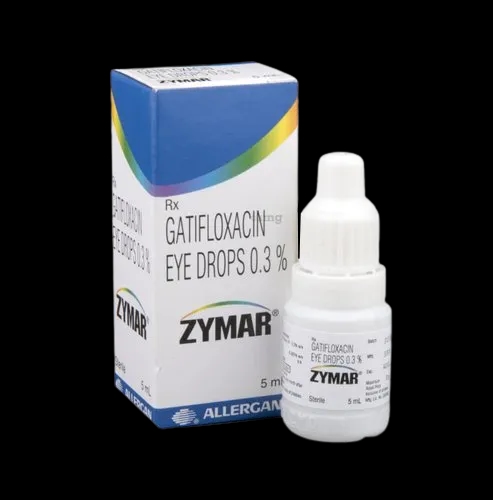
Gatifloxacin ophthalmic solution is a fluoroquinolone antibiotic eye drop used for the topical treatment of bacterial infections of the eye.

Forms:Ophthalmic SolutionTablet

About Gatifloxacin

Indications of Gatifloxacin

Gatifloxacin ophthalmic solution is a fluoroquinolone antibiotic eye drop used for the topical treatment of bacterial infections of the eye.

Established / FDA-Approved Use

  • Treatment of bacterial conjunctivitis caused by susceptible strains of gram-positive organisms (e.g., Staphylococcus aureus, Staphylococcus epidermidis, Streptococcus pneumoniae, Streptococcus viridans group) and gram-negative organisms (e.g., Haemophilus influenzae, Pseudomonas aeruginosa).

Off-Label / Other Uses (physician discretion only)

  • Peri-operative prophylaxis against ocular infection before or after eye surgery, used off-label by some ophthalmologists.
  • Other external ocular infections (e.g., select cases of bacterial keratitis) under specialist supervision; not a first-line, formally approved indication.

Note: In Bangladesh, Gatifloxacin is marketed only as an ophthalmic (eye drop) preparation. Oral/systemic forms of Gatifloxacin are not available here and have been withdrawn or restricted in several countries due to safety concerns (see Precautions and Warnings).

Dosage & Administration of Gatifloxacin

Bacterial Conjunctivitis

StrengthAdult & Pediatric (≥1 year)
0.3%Days 1–2: instill 1 drop in the affected eye(s) every 2 hours while awake, up to 8 times per day. Days 3–7: instill 1 drop up to 4 times per day while awake.
0.5%Day 1: instill 1 drop every 2 hours while awake, up to 8 times per day. Days 2–7: instill 1 drop 2 to 4 times per day while awake.

Treatment is usually continued for 7 days. Take Gatifloxacin exactly as prescribed by your physician; do not stop, extend, skip doses, or share this medicine with others without medical advice, even if symptoms improve early, to reduce the risk of treatment failure and antibiotic resistance.

Side Effects of Gatifloxacin

The most common side effects of Gatifloxacin eye drops are local and generally mild:

  • Conjunctival irritation and increased lacrimation (most frequently reported)
  • Eye pain or discomfort
  • Blurred vision
  • Dysgeusia (unpleasant/bitter taste after instillation)
  • Papillary conjunctivitis
  • Ocular pruritus (itching)
  • Headache

Less commonly, keratitis, decreased visual acuity, or hypersensitivity reactions (eyelid swelling, redness) may occur. Seek medical attention if symptoms worsen, or if a rash, severe eye pain, or vision changes develop.

Contraindications of Gatifloxacin

Gatifloxacin ophthalmic solution is contraindicated in patients with known hypersensitivity to Gatifloxacin, other fluoroquinolone antibiotics, or any component of the formulation.

Frequently Asked Questions about Gatifloxacin

What is Gatifloxacin eye drop used for?

Gatifloxacin eye drops are used to treat bacterial conjunctivitis (a bacterial eye infection, sometimes called "pink eye") caused by susceptible bacteria. It is applied directly to the affected eye and is not effective against viral or allergic conjunctivitis.

How long should I use Gatifloxacin eye drops?

Treatment usually lasts 7 days. For the 0.3% solution, use 1 drop every 2 hours (up to 8 times a day) for the first 1–2 days, then 1 drop up to 4 times daily through day 7; for the 0.5% solution, use 1 drop every 2 hours (up to 8 times a day) on day 1, then 1 drop 2–4 times daily on days 2–7. Always complete the full course exactly as prescribed by your physician, and do not stop, extend, skip doses, or share Gatifloxacin with others without medical advice, even if your eye feels better sooner.

Can I wear contact lenses while using Gatifloxacin eye drops?

No. Contact lenses should not be worn while you have signs or symptoms of bacterial conjunctivitis being treated with Gatifloxacin. Ask your physician when it is safe to resume wearing contact lenses.

Is Gatifloxacin eye drop safe during pregnancy or breastfeeding?

Gatifloxacin ophthalmic solution should be used during pregnancy only if clearly needed and the potential benefit justifies the potential risk to the fetus, since systemic fluoroquinolones have been linked to joint/cartilage effects in animal studies, even though absorption from eye drops is minimal. It is also not established whether topical Gatifloxacin passes into breast milk in significant amounts. In both situations, consult a physician before use.

What are the common side effects of Gatifloxacin eye drops?

The most common effects are local and mild, including conjunctival irritation, increased tearing, eye discomfort, blurred vision, an unpleasant taste after instillation, and itching. Less commonly, keratitis, reduced visual acuity, or allergic reactions can occur. Contact your physician if symptoms worsen or if you develop a rash, severe eye pain, or vision changes.

What should I do if Gatifloxacin eye drops are accidentally swallowed?

Accidental ingestion of a small amount of Gatifloxacin eye drop solution is unlikely to cause serious systemic toxicity, but you should contact a physician, hospital emergency department, or poison control center immediately, or seek urgent medical attention, rather than attempting home treatment.

Disclaimer

The information provided is accurate to the best of our knowledge, but it does not replace professional medical advice. We cannot guarantee its completeness or accuracy, and the absence of specific information about a drug should not be taken as an endorsement. We are not responsible for any consequences arising from this information, so please consult a healthcare professional for any concerns or questions.
DoctorBlogArticles