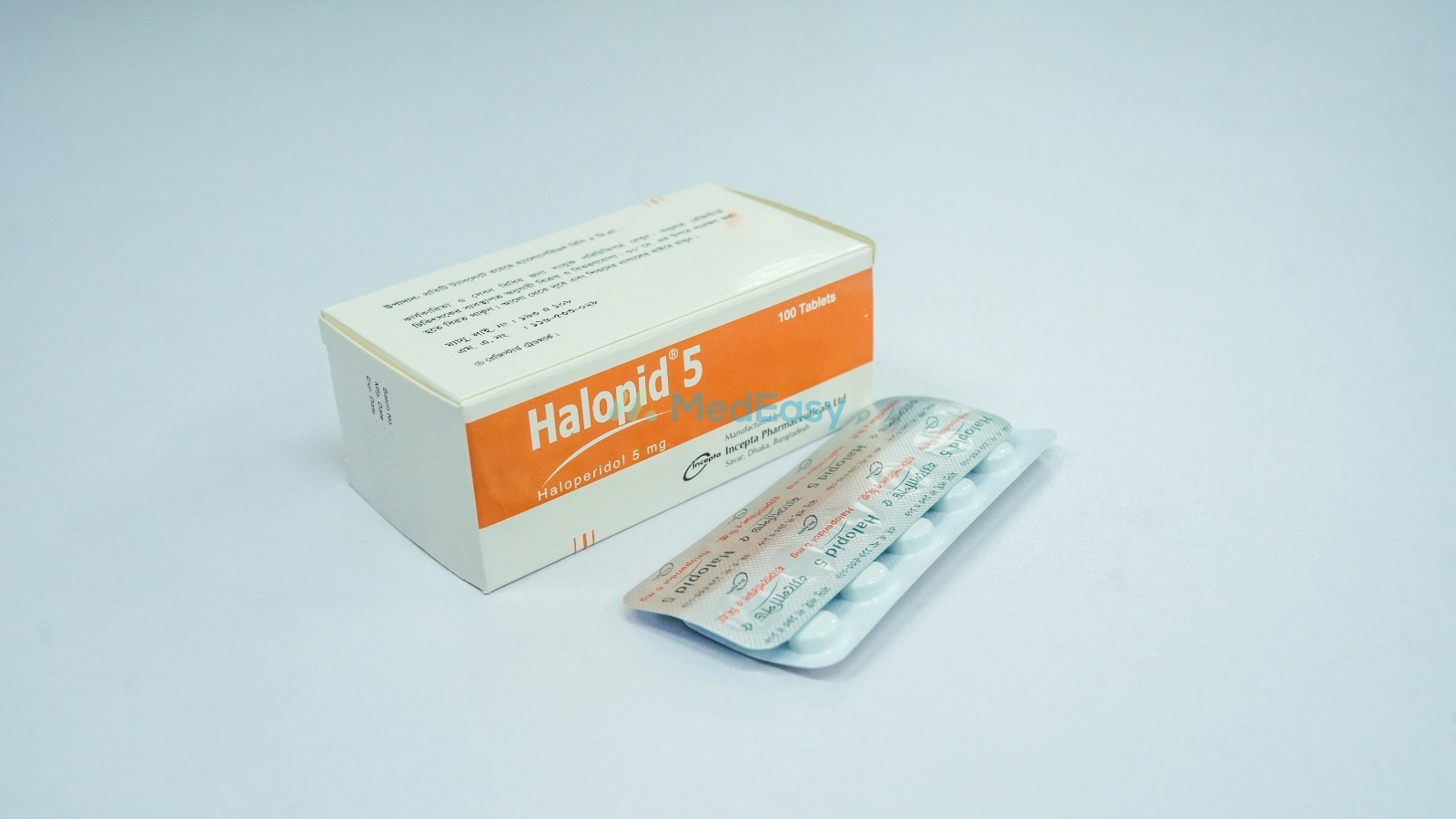
Generic medicine

Haloperidol: Brands, Price & Uses in Bangladesh

Haloperidol is a first-generation (typical) antipsychotic of the butyrophenone class.

Forms:TabletIM Injection

About Haloperidol

Indications of Haloperidol

Haloperidol is a first-generation (typical) antipsychotic of the butyrophenone class. Its evidence-based indications are classified below by strength of evidence.

Established / FDA-approved uses

  • Schizophrenia: management of manifestations of acute and chronic psychotic disorders, including schizophrenia.
  • Tourette's disorder: control of tics and vocal utterances in moderate-to-severe cases that fail to respond to standard treatment.
  • Severe behavioural problems in children (short-term): combative, explosive hyperexcitability that cannot be accounted for by immediate provocation.
  • Hyperactive children with severe conduct disorders: short-term adjunctive treatment when other measures have failed, in children who show excessive motor activity with accompanying conduct disorders.

Guideline-supported / commonly used off-label

  • Acute agitation and acute psychotic episodes (including in emergency and psychiatric-inpatient settings), often via the injectable formulation, based on long-standing clinical practice and guideline support rather than a specific labelled indication for this exact use.
  • Persistent hiccups unresponsive to other measures - a long-standing off-label use.
  • Delirium-related agitation in hospitalised patients (off-label; evidence is mixed and use should be short-term with careful monitoring).

Haloperidol is not FDA-approved for treatment of dementia-related psychosis or behavioural disturbances in elderly patients with dementia (see Precautions and Warnings).

Dosage & Administration of Haloperidol

Dosing of Haloperidol is individualised to the indication, severity of symptoms, formulation, and patient response, using the lowest effective dose.

IndicationTypical Adult Dosing
Schizophrenia/psychosis - moderate symptoms0.5-2 mg orally 2-3 times daily; titrate as needed
Schizophrenia/psychosis - severe symptoms or chronic/resistant cases3-5 mg orally 2-3 times daily; some patients may require higher doses under close specialist supervision, up to a generally accepted maximum of about 20 mg/day (higher doses used rarely and only under specialist care)
Acute agitation/acute psychosis2-5 mg by deep IM injection; may repeat every 4-8 hours as clinically needed (immediate-release injection is for short-term use)
Maintenance therapy (long-acting depot)Haloperidol decanoate, typically 10-20 times the previous stabilised daily oral dose, given by deep IM injection every 4 weeks, after oral stabilisation
Tourette's disorder0.5-5 mg orally 2-3 times daily, individualised to response

Pediatric dosing

  • Children 3-12 years (psychotic disorders): initial dose approximately 0.05 mg/kg/day orally, divided, titrated cautiously.
  • Children 3-12 years (non-psychotic disorders - Tourette's disorder, severe behavioural problems): approximately 0.05-0.075 mg/kg/day orally, divided into 2-3 doses.
  • Safety and efficacy in children under 3 years have not been established.

Renal/hepatic considerations

No formal renal dose-adjustment schedule is established; caution and lower starting doses are advised in renal impairment. In hepatic impairment, since Haloperidol is extensively hepatically metabolised, lower doses and slower titration with close monitoring are recommended.

Side Effects of Haloperidol

Common

  • Extrapyramidal symptoms - dystonia, akathisia (restlessness), drug-induced parkinsonism (tremor, rigidity, bradykinesia); notably more frequent with Haloperidol than with many other antipsychotics due to its high D2-receptor potency
  • Sedation/drowsiness
  • Dry mouth, constipation, blurred vision
  • Insomnia, headache, anxiety, agitation
  • Orthostatic hypotension
  • Hyperprolactinemia - galactorrhea, gynecomastia, menstrual irregularities, sexual dysfunction
  • Weight change

Serious (less common but important)

  • Tardive dyskinesia - potentially irreversible involuntary movements, risk increases with dose and duration of treatment (see Precautions and Warnings).
  • Neuroleptic malignant syndrome (NMS) - rare, potentially fatal (see Precautions and Warnings).
  • QT prolongation and torsades de pointes, which can be fatal (see Precautions and Warnings).
  • Seizures (lowered seizure threshold).
  • Leukopenia, neutropenia, and rarely agranulocytosis.
  • Severe hypersensitivity reactions, laryngospasm, or bronchospasm (rare).

Contraindications of Haloperidol

Haloperidol is contraindicated in:

  • Known hypersensitivity to haloperidol or any component of the formulation.
  • Severe central nervous system (CNS) depression or comatose states.
  • Parkinson's disease (dopamine-receptor blockade can substantially worsen parkinsonian symptoms).
  • Known QT-interval prolongation, including congenital long QT syndrome (particularly relevant to injectable use).

Frequently Asked Questions about Haloperidol

What is Haloperidol used for?

Haloperidol is an antipsychotic medicine mainly used to treat schizophrenia and other psychotic disorders, control severe tics in Tourette's disorder, and manage severe behavioural disturbances, usually under the care of a psychiatrist.

Is Haloperidol safe for elderly patients with dementia?

Haloperidol is not approved for treating dementia-related psychosis. Elderly patients with dementia who are given antipsychotic medicines, including Haloperidol, have a higher risk of death, mainly from heart-related problems or infections such as pneumonia. This should only be used in elderly dementia patients if a physician determines there is no safer alternative.

Can Haloperidol affect my heart?

Yes. Haloperidol can prolong the QT interval on an ECG, which in rare cases can lead to a dangerous irregular heartbeat called torsades de pointes, particularly at higher doses or if given intravenously (a route not officially approved for this drug). Tell your doctor if you have a heart condition or are taking other medicines that affect heart rhythm.

What are the most common side effects of Haloperidol?

Common side effects of Haloperidol include movement-related symptoms such as stiffness, tremor, restlessness, and muscle spasms (extrapyramidal symptoms), as well as drowsiness, dry mouth, constipation, and changes in menstrual cycle or breast changes due to raised prolactin levels.

Can I take Haloperidol during pregnancy or while breastfeeding?

Haloperidol should only be used during pregnancy if clearly needed, since babies exposed in the third trimester may show withdrawal or movement symptoms after birth. It also passes into breast milk, so breastfeeding while taking Haloperidol should only be done on your physician's advice, with the baby monitored for drowsiness or unusual movements.

What should I do if I miss a dose or take too much Haloperidol?

If you miss a dose of Haloperidol, take it as soon as you remember unless it is almost time for the next dose - do not double the dose. If you or someone else has taken too much Haloperidol, seek immediate medical attention or contact emergency services/poison control, as overdose can cause severe drowsiness, low blood pressure, abnormal heart rhythm, or coma.

Disclaimer

The information provided is accurate to the best of our knowledge, but it does not replace professional medical advice. We cannot guarantee its completeness or accuracy, and the absence of specific information about a drug should not be taken as an endorsement. We are not responsible for any consequences arising from this information, so please consult a healthcare professional for any concerns or questions.

DoctorBlogArticles