Generic medicine

Hydroxypropyl Methylcellulose: Brands, Price & Uses in Bangladesh

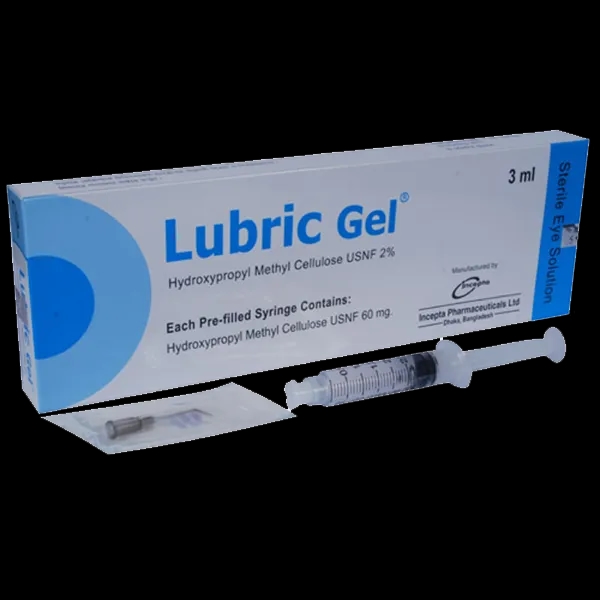
Hydroxypropyl Methylcellulose (hypromellose) is an ophthalmic demulcent/lubricant.

Forms:Viscoelastic Solution

About Hydroxypropyl Methylcellulose

Indications of Hydroxypropyl Methylcellulose

Hydroxypropyl Methylcellulose (hypromellose) is an ophthalmic demulcent/lubricant. Its established and commonly accepted uses include:

  • Established (OTC-approved) use: Symptomatic relief of dry eye and ocular irritation, burning, and discomfort caused by dryness of the eye (e.g., due to wind, sun exposure, prolonged screen use, or reduced blinking).
  • Established use: As a lubricant to prevent further irritation or to relieve dryness associated with minor eye irritations, and as an artificial tear substitute.
  • Adjunct/procedural use: As a viscoelastic surgical aid (ophthalmic viscosurgical device) during certain intraocular procedures such as cataract surgery, to help maintain the anterior chamber and protect ocular tissues; this use requires administration by a qualified eye-care professional in a clinical setting.
  • Excipient use: Hydroxypropyl Methylcellulose is also widely used as an inactive ingredient/vehicle in other eye drop formulations and in oral solid-dosage products (e.g., tablet coatings), which is a formulation role rather than a therapeutic indication.

Hydroxypropyl Methylcellulose does not treat the underlying cause of dry eye; it provides symptomatic, temporary relief.

Dosage & Administration of Hydroxypropyl Methylcellulose

Dry eye / ocular irritation (OTC lubricant use)

PopulationRecommended Dose
Adults and childrenInstill 1–2 drops of Hydroxypropyl Methylcellulose ophthalmic solution into the affected eye(s) as needed, typically 3–4 times daily or as directed on the product label/by a physician.

Surgical/viscoelastic use

When used as a viscoelastic aid during ophthalmic surgery, Hydroxypropyl Methylcellulose is administered intraocularly by the operating ophthalmologist in a controlled clinical/surgical setting; the amount and technique are determined by the surgeon based on the procedure.

Administration technique

  • Wash hands before use.
  • Tilt the head back, pull down the lower eyelid to form a pocket, and instill the drop(s) without letting the dropper tip touch the eye or any surface.
  • Close the eye gently for 1–2 minutes after instillation.
  • If using more than one ophthalmic product, wait at least 5–10 minutes between different eye medications.

Side Effects of Hydroxypropyl Methylcellulose

Hydroxypropyl Methylcellulose eye drops are generally very well tolerated. Reported effects are mostly local and transient:

  • Common: Transient blurred vision immediately after instillation, mild stinging or burning upon application, and a temporary sticky or filmy sensation on the eyelashes/eyelids.
  • Less common: Eye irritation, redness, or discomfort that persists.
  • Rare: Allergic-type hypersensitivity reactions (itching, swelling, redness) — see Contraindications.

If irritation, pain, or vision changes worsen or persist, discontinue use and consult a physician.

Contraindications of Hydroxypropyl Methylcellulose

Hydroxypropyl Methylcellulose ophthalmic products are contraindicated in patients with known hypersensitivity to Hydroxypropyl Methylcellulose or to any other ingredient in the specific formulation (e.g., preservatives such as benzalkonium chloride in some products).

Frequently Asked Questions about Hydroxypropyl Methylcellulose

What is Hydroxypropyl Methylcellulose eye drops used for?

Hydroxypropyl Methylcellulose is used as an ophthalmic lubricant (artificial tears) to relieve dryness, burning, irritation, and discomfort of the eyes caused by insufficient or unstable tear film, such as from wind, sun, screen use, or minor eye irritation.

How often should I use Hydroxypropyl Methylcellulose eye drops?

Typically 1–2 drops are instilled into the affected eye(s) 3–4 times daily as needed, or as directed by a physician or the product label. Do not exceed the recommended frequency without medical advice.

Can I wear contact lenses while using Hydroxypropyl Methylcellulose?

Contact lenses should generally be removed before instilling Hydroxypropyl Methylcellulose unless the product is specifically labeled safe for use with lenses in place. Wait as directed (commonly at least 15 minutes) before reinserting lenses to avoid interactions with preservatives.

Is Hydroxypropyl Methylcellulose safe to use during pregnancy or breastfeeding?

Hydroxypropyl Methylcellulose has minimal systemic absorption when used as eye drops and is generally considered low-risk, but it should be used during pregnancy or breastfeeding only if clearly needed, and a physician should be consulted before use.

What side effects can Hydroxypropyl Methylcellulose eye drops cause?

The most common effects are transient blurred vision right after use and mild stinging. Persistent redness, pain, or vision changes are not typical and should prompt discontinuation and medical evaluation.

What should I do if I accidentally use too much Hydroxypropyl Methylcellulose?

Excess ophthalmic use is unlikely to cause serious harm, but if irritation persists or if the product is swallowed and you are concerned, seek immediate medical attention or contact a poison control center.

Disclaimer

The information provided is accurate to the best of our knowledge, but it does not replace professional medical advice. We cannot guarantee its completeness or accuracy, and the absence of specific information about a drug should not be taken as an endorsement. We are not responsible for any consequences arising from this information, so please consult a healthcare professional for any concerns or questions.

DoctorBlogArticles