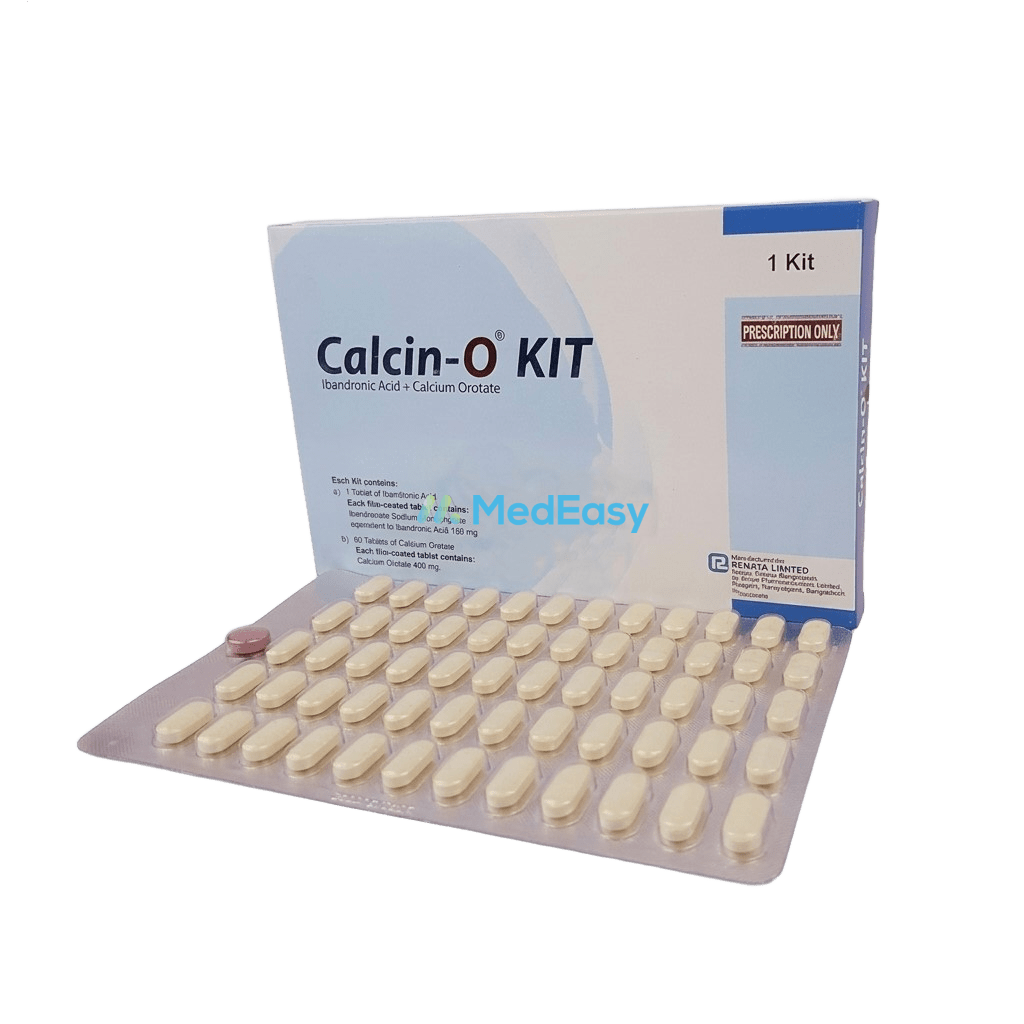
Generic medicine

Ibandronic Acid and Calcium Orotate: Brands, Price & Uses in Bangladesh

Ibandronic Acid and Calcium Orotate is a fixed-dose combination of a nitrogen-containing bisphosphonate (ibandronic acid) and a calcium salt (calcium orotate) and more.

Forms:Tablet

About Ibandronic Acid and Calcium Orotate

Indications of Ibandronic Acid and Calcium Orotate

Ibandronic Acid and Calcium Orotate is a fixed-dose combination of a nitrogen-containing bisphosphonate (ibandronic acid) and a calcium salt (calcium orotate), used mainly in the management of osteoporosis.

Established / Guideline-Supported Uses

  • Treatment of postmenopausal osteoporosis – to reduce the risk of vertebral fractures. This is the core, well-established indication for the ibandronic acid component; the calcium orotate component is included to help meet the recommended daily calcium intake needed to support bisphosphonate therapy and healthy bone mineralization.
  • Prevention of postmenopausal osteoporosis in women at increased risk of bone loss (e.g., early menopause, low bone mineral density on screening).

Adjunct / Combination-Dependent Uses

  • As part of a broader osteoporosis management plan that also includes weight-bearing exercise, adequate vitamin D intake, and fall-prevention measures — Ibandronic Acid and Calcium Orotate is not a substitute for these lifestyle measures.
  • Used to help correct or prevent calcium deficiency in patients on long-term bisphosphonate therapy, where the calcium orotate component supplements dietary calcium intake.

Off-Label Use

Some clinicians use ibandronic acid off-label for glucocorticoid-induced osteoporosis or osteoporosis in men, but Ibandronic Acid and Calcium Orotate as a fixed combination product does not have a formally labeled indication for these uses; such use should only be under specialist supervision.

Dosage & Administration of Ibandronic Acid and Calcium Orotate

Adult Dose

IndicationTypical Regimen
Treatment/prevention of postmenopausal osteoporosisOne oral dose as prescribed on the product label, typically taken once monthly on the same date each month (regimen varies by brand/strength of Ibandronic Acid and Calcium Orotate — follow the specific product's instructions).

Pediatric Dose

Not established. Ibandronic Acid and Calcium Orotate is not indicated for use in children or adolescents; safety and efficacy in this population have not been demonstrated.

Renal Impairment

No dose adjustment is generally required in mild-to-moderate renal impairment. Ibandronic Acid and Calcium Orotate should not be used in patients with severe renal impairment (creatinine clearance below approximately 30–35 mL/min), as bisphosphonate clearance is reduced and toxicity risk increases (see Contraindications).

Hepatic Impairment

No specific dose adjustment is established; use with routine clinical caution as no dedicated studies exist for the ibandronic acid component in hepatic impairment.

Administration Instructions

Take Ibandronic Acid and Calcium Orotate first thing in the morning, at least 30–60 minutes before the first food, drink (other than plain water), or other oral medication of the day. Swallow the tablet whole with a full glass (180–240 mL) of plain water while sitting or standing upright; do not lie down for at least 60 minutes after taking the dose. Do not chew, crush, or suck the tablet.

Side Effects of Ibandronic Acid and Calcium Orotate

Side effects reported with Ibandronic Acid and Calcium Orotate include:

Common

  • Musculoskeletal pain (back pain, myalgia, arthralgia)
  • Gastrointestinal upset (dyspepsia, nausea, diarrhea, constipation, abdominal pain)
  • Headache
  • Flu-like symptoms (fever, chills, myalgia) — more common after initial doses, especially with intravenous bisphosphonate formulations

Less Common / Serious (seek medical attention)

  • Esophagitis, esophageal ulceration, or esophageal irritation (chest pain, difficulty or pain on swallowing, new/worsening heartburn)
  • Symptoms of hypocalcemia (muscle cramps, spasms, numbness/tingling around the mouth or in fingers)
  • Osteonecrosis of the jaw (jaw pain, swelling, non-healing sores in the mouth) — rare, see Precautions and Warnings
  • Atypical femur fractures (new or unusual thigh/groin pain) — rare, see Precautions and Warnings
  • Severe allergic reactions (rash, swelling, difficulty breathing)

Contraindications of Ibandronic Acid and Calcium Orotate

Ibandronic Acid and Calcium Orotate is contraindicated in the following situations (true absolute contraindications):

  • Known hypersensitivity to ibandronic acid, calcium orotate, other bisphosphonates, or any excipient of the product.
  • Hypocalcemia — must be corrected before starting Ibandronic Acid and Calcium Orotate.
  • Inability to stand or sit upright for at least 60 minutes.
  • Severe renal impairment (creatinine clearance typically below 30–35 mL/min, depending on the specific product).
  • Esophageal abnormalities that delay esophageal emptying, such as stricture or achalasia.

Frequently Asked Questions about Ibandronic Acid and Calcium Orotate

What is Ibandronic Acid and Calcium Orotate used for?

Ibandronic Acid and Calcium Orotate is used mainly for the treatment and prevention of postmenopausal osteoporosis. It combines a bisphosphonate that slows bone loss with a calcium supplement that supports bone mineralization.

How should I take Ibandronic Acid and Calcium Orotate?

Take Ibandronic Acid and Calcium Orotate first thing in the morning on an empty stomach with a full glass of plain water, then remain upright (sitting or standing) for at least 60 minutes and avoid food or other drinks until after this period. Do not chew or crush the tablet.

Can I take Ibandronic Acid and Calcium Orotate with my calcium or antacid tablets?

No — calcium, antacids, and mineral supplements should not be taken at the same time as Ibandronic Acid and Calcium Orotate because they reduce its absorption. Separate the timing as advised by your physician or pharmacist.

Who should not take Ibandronic Acid and Calcium Orotate?

Ibandronic Acid and Calcium Orotate should not be used by people with known hypersensitivity to its ingredients, uncorrected hypocalcemia, inability to sit or stand upright for at least 60 minutes, severe kidney impairment, or esophageal problems that delay esophageal emptying (such as stricture or achalasia).

Is Ibandronic Acid and Calcium Orotate safe during pregnancy or breastfeeding?

Ibandronic Acid and Calcium Orotate is not generally recommended in pregnancy or breastfeeding because bisphosphonates remain in bone for a long time and their effects on a fetus or nursing infant are not fully known. Use only if clearly needed, and only after consulting a physician.

What are the serious side effects I should watch for?

Seek medical attention for chest pain or pain/difficulty swallowing (possible esophageal irritation), unusual thigh or groin pain (possible atypical fracture), jaw pain or non-healing mouth sores (possible osteonecrosis of the jaw), or symptoms of low calcium such as muscle cramps or tingling.

Disclaimer

The information provided is accurate to the best of our knowledge, but it does not replace professional medical advice. We cannot guarantee its completeness or accuracy, and the absence of specific information about a drug should not be taken as an endorsement. We are not responsible for any consequences arising from this information, so please consult a healthcare professional for any concerns or questions.

DoctorBlogArticles