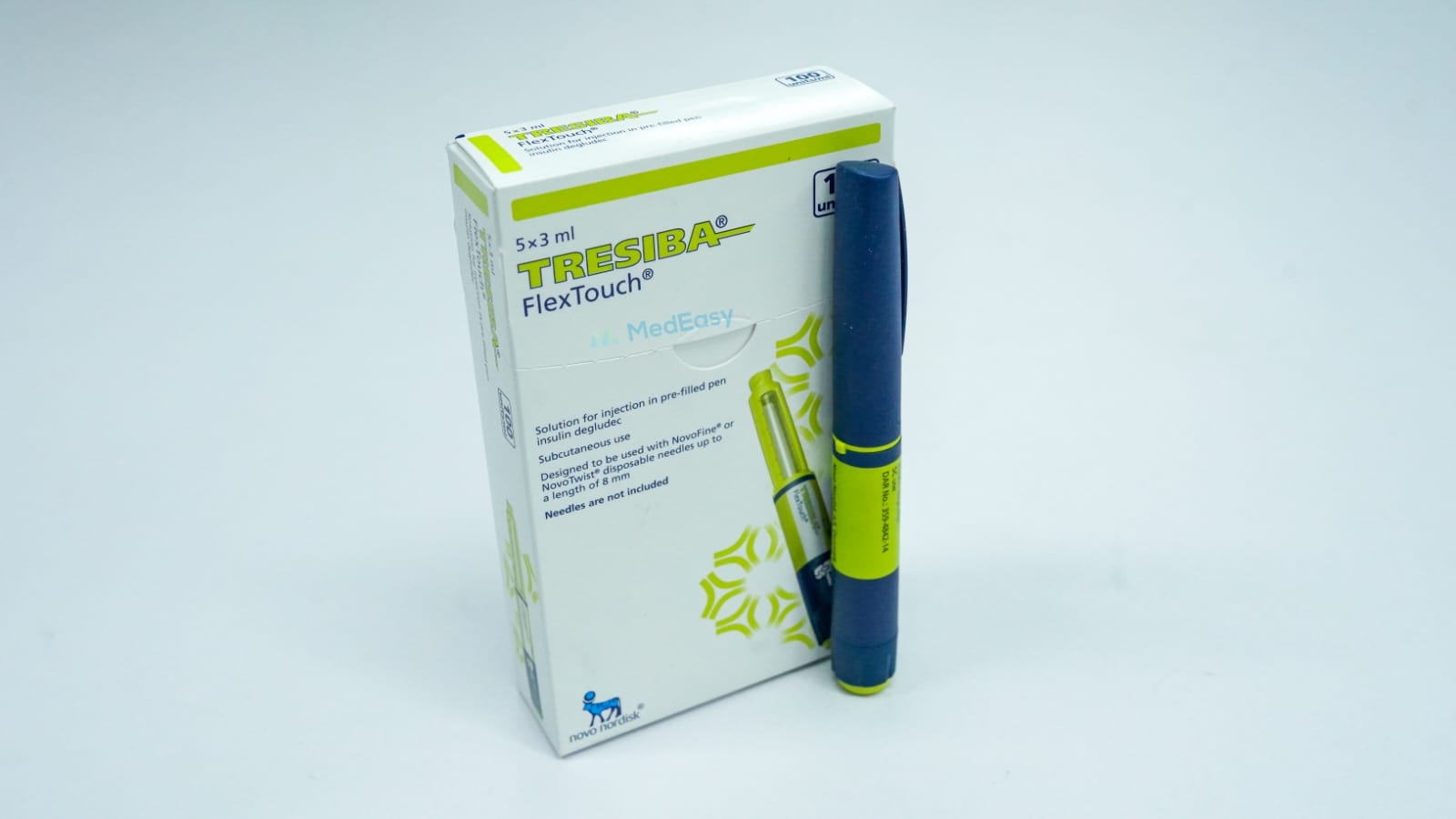
Generic medicine

Insulin Degludec: Brands, Price & Uses in Bangladesh

Insulin Degludec is an ultra-long-acting basal insulin analog indicated for the following uses: Established / FDA-approved uses To improve glycemic control in adults with type 1 diabetes mellitus and more.

Forms:Flexpen

About Insulin Degludec

Indications of Insulin Degludec

Insulin Degludec is an ultra-long-acting basal insulin analog indicated for the following uses:

Established / FDA-approved uses

  • To improve glycemic control in adults with type 1 diabetes mellitus, as part of a regimen that includes a separate rapid- or short-acting mealtime insulin.
  • To improve glycemic control in adults with type 2 diabetes mellitus, either alone or in combination with oral antidiabetic agents and/or other insulins.
  • To improve glycemic control in pediatric patients 1 year of age and older with type 1 diabetes mellitus.

Not indicated for

  • Treatment of diabetic ketoacidosis (an intravenous, short-acting insulin is required in that setting).
  • Type 2 diabetes in pediatric patients (safety and efficacy not established in this population).

Insulin Degludec is a basal (background) insulin only and must always be used together with a comprehensive diabetes management plan, including blood glucose monitoring and, where required, mealtime insulin.

Dosage & Administration of Insulin Degludec

The dose of Insulin Degludec must be individualized based on the patient's metabolic needs, blood glucose monitoring results, and glycemic control goals, under physician supervision.

Indication/PopulationTypical Dosing Guidance
Adults with type 1 diabetesGiven once daily as part of a basal-bolus regimen, together with a short-/rapid-acting mealtime insulin; approximately one-third to one-half of the total daily insulin requirement is usually given as Insulin Degludec.
Adults with type 2 diabetes (insulin-naive)Usually started at around 10 units once daily, then titrated based on blood glucose response.
Switching from another basal insulinDose adjustment and closer glucose monitoring are recommended during the transition period, per physician guidance.
Pediatric patients (1 year and older, type 1 diabetes)Dosing is individualized in the same manner as adults, adjusted to body weight and metabolic needs, under specialist supervision.
Renal or hepatic impairmentNo fixed dose adjustment is established; more frequent blood glucose monitoring and individualized dose titration are recommended (see Use in Special Populations).

Administration

  • For subcutaneous injection only; must never be given intravenously or intramuscularly.
  • Injected once daily, at any time of day, preferably at the same time each day; if the timing needs to change, at least 8 hours should separate doses.
  • Injection sites (thigh, upper arm, or abdomen) should be rotated within the same region to reduce the risk of lipodystrophy.
  • Must not be diluted or mixed with any other insulin or solution.
  • Pen devices are for single-patient use only and must never be shared between patients, even if the needle is changed.

Side Effects of Insulin Degludec

The most common and most serious adverse reaction associated with Insulin Degludec is hypoglycemia (see Precautions and Warnings for full detail). Other reported side effects include:

  • Injection site reactions (pain, redness, swelling, itching) and lipodystrophy (lipohypertrophy or lipoatrophy) with repeated injection at the same site.
  • Weight gain.
  • Peripheral edema (fluid retention), particularly when starting insulin therapy or intensifying glucose control.
  • Hypokalemia (low blood potassium).
  • Allergic reactions, which are usually mild (local rash, itching) but rarely can be severe, including generalized skin reactions, angioedema, bronchospasm, hypotension, or anaphylaxis.

Contraindications of Insulin Degludec

Insulin Degludec is contraindicated in:

  • Patients with known hypersensitivity to insulin degludec or any of its excipients.
  • During episodes of hypoglycemia.

Frequently Asked Questions about Insulin Degludec

What is Insulin Degludec used for?

Insulin Degludec is an ultra-long-acting basal insulin used to control blood glucose levels in adults and children (1 year and older) with type 1 diabetes, and in adults with type 2 diabetes. It is not used to treat diabetic ketoacidosis.

How often do I need to inject Insulin Degludec?

Insulin Degludec is injected once daily, at any time of day, ideally at around the same time each day. If you must change the time of your injection, leave at least 8 hours between doses. Always follow your physician's specific instructions.

What is the biggest risk with Insulin Degludec?

The most common and most serious risk is hypoglycemia (low blood sugar), which can cause symptoms such as sweating, shakiness, confusion, and in severe cases, seizures or loss of consciousness. Know the warning signs, carry a fast-acting source of glucose, and seek immediate medical attention for severe or prolonged low blood sugar.

Can Insulin Degludec be used during pregnancy or breastfeeding?

Insulin therapy, including Insulin Degludec, is generally a preferred option for controlling blood glucose during pregnancy when medication is needed, and it is commonly used during breastfeeding. However, it should be used only under close physician supervision, as insulin needs often change during pregnancy and after delivery.

Can I mix Insulin Degludec with other insulins in the same syringe?

No. Insulin Degludec must not be mixed or diluted with any other insulin or solution, and it should only be injected subcutaneously — never intravenously or intramuscularly.

How should I store Insulin Degludec?

Keep unopened Insulin Degludec refrigerated (2°C to 8°C) and do not freeze it. Once you start using a pen or vial, it can be kept at room temperature below 30°C, away from heat and light, but must be discarded after 56 days even if medicine remains.

Disclaimer

The information provided is accurate to the best of our knowledge, but it does not replace professional medical advice. We cannot guarantee its completeness or accuracy, and the absence of specific information about a drug should not be taken as an endorsement. We are not responsible for any consequences arising from this information, so please consult a healthcare professional for any concerns or questions.

DoctorBlogArticles