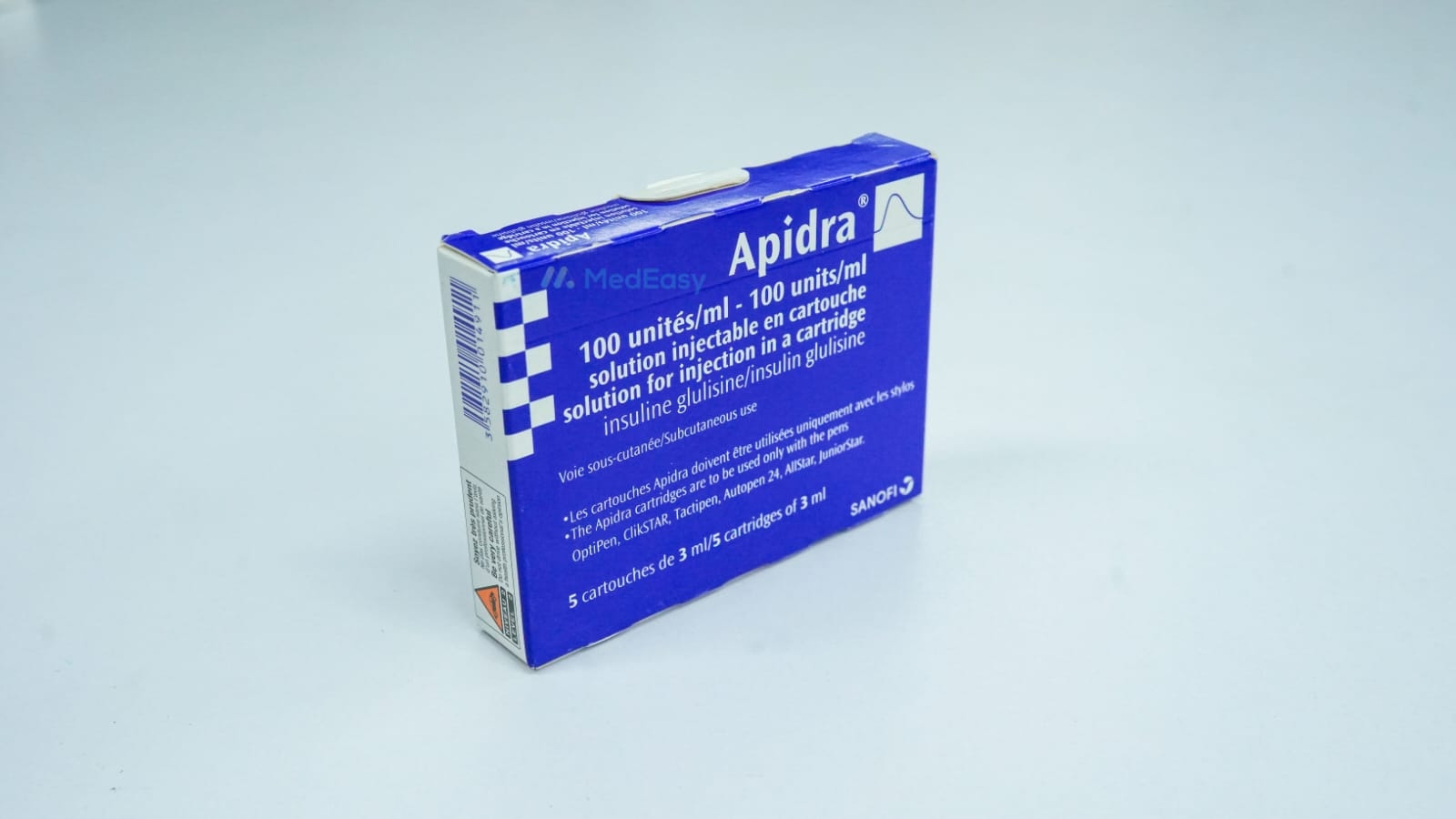
Generic medicine

Insulin Glulisine: Brands, Price & Uses in Bangladesh

Insulin Glulisine is a rapid-acting human insulin analog indicated to improve glycemic control in adults and pediatric patients with diabetes mellitus.

Forms:PenfillFlexpen

About Insulin Glulisine

Indications of Insulin Glulisine

Insulin Glulisine is a rapid-acting human insulin analog indicated to improve glycemic control in adults and pediatric patients with diabetes mellitus.

  • Type 1 diabetes mellitus: Established, FDA-approved use as mealtime (bolus) insulin, given in combination with a longer-acting or intermediate-acting (basal) insulin as part of a basal-bolus regimen.
  • Type 2 diabetes mellitus: Established, FDA-approved use as mealtime insulin, either alone or in combination with oral antidiabetic medicines or basal insulin, when diet, exercise, and other agents do not achieve adequate glycemic control.
  • Continuous subcutaneous insulin infusion (insulin pump): Approved for use in external insulin pumps in adults as an alternative to multiple daily injections.

Insulin Glulisine is not a substitute for basal insulin and must be used as part of a complete diabetes management plan individualized by a physician based on blood glucose monitoring.

Dosage & Administration of Insulin Glulisine

The dose of Insulin Glulisine must be individualized and determined by a physician based on the patient's metabolic needs, blood glucose monitoring results, and glycemic control goals. There is no fixed universal dose.

General Dosing Principles

  • Administered subcutaneously within 15 minutes before a meal or within 20 minutes after starting a meal.
  • Usually given as part of a basal-bolus regimen in combination with an intermediate- or long-acting insulin.
  • May be given by continuous subcutaneous infusion using an external insulin pump (adults only).
  • May be administered intravenously under medical supervision with close monitoring of blood glucose and potassium, typically in a hospital setting for management of severe hyperglycemia.
Indication/RouteDosing Notes
Type 1 or Type 2 diabetes (subcutaneous injection)Individualized mealtime dose given close to the meal, combined with basal insulin
Insulin pump (adults)Individualized basal and bolus rates programmed by the prescriber; do not dilute or mix with other insulins in the pump reservoir
Intravenous useOnly under direct medical supervision with frequent glucose monitoring, using appropriate infusion systems

See Use in Special Populations for information on pediatric, renal, and hepatic dosing considerations.

Side Effects of Insulin Glulisine

The most common and most serious adverse effect of Insulin Glulisine is hypoglycemia, which can be severe and, in rare cases, life-threatening.

Common Side Effects

  • Hypoglycemia (low blood sugar): sweating, shakiness, palpitations, hunger, confusion, headache
  • Injection-site reactions: redness, swelling, itching, or pain
  • Lipodystrophy (thickening or pitting of fat tissue) with repeated injection at the same site
  • Weight gain
  • Peripheral edema, particularly when starting insulin therapy or intensifying control

Less Common but Serious

  • Hypersensitivity/allergic reactions, including rare systemic reactions such as generalized rash, angioedema, bronchospasm, hypotension, or shock
  • Hypokalemia (low blood potassium)

See Precautions and Warnings and Overdose Effects for more on managing hypoglycemia related to Insulin Glulisine.

Contraindications of Insulin Glulisine

Insulin Glulisine is contraindicated in:

  • Patients with known hypersensitivity to insulin glulisine or any excipient of the formulation.
  • During episodes of hypoglycemia (active low blood sugar).

Frequently Asked Questions about Insulin Glulisine

What is Insulin Glulisine used for?

Insulin Glulisine is a rapid-acting insulin used to control high blood sugar (mealtime/bolus dosing) in adults and children (4 years and older) with type 1 or type 2 diabetes mellitus, usually alongside a longer-acting basal insulin.

When should I inject Insulin Glulisine?

Because it acts quickly, Insulin Glulisine should be injected within 15 minutes before a meal or within 20 minutes after starting to eat, exactly as directed by your physician.

What is the most serious side effect of Insulin Glulisine?

The most serious and most common risk with Insulin Glulisine is hypoglycemia (low blood sugar), which can cause sweating, shakiness, confusion, seizures, or loss of consciousness if severe. Always carry a fast-acting source of sugar and know the warning signs.

Can Insulin Glulisine be mixed with other insulins?

Insulin Glulisine may be mixed with NPH insulin in the same syringe for injection only if specifically directed by your doctor, and the mixture must be injected immediately. It should never be mixed with other insulins in an insulin pump or when given intravenously.

Is Insulin Glulisine safe during pregnancy or breastfeeding?

Insulin Glulisine should be used in pregnancy only if clearly needed, as advised by a physician, since insulin requirements often change during pregnancy. It may also be used while breastfeeding under medical supervision, with adjustments to dose and diet as needed.

What should I do if I take too much Insulin Glulisine?

If you suspect an overdose of Insulin Glulisine, treat mild low blood sugar with a fast-acting sugar source immediately; for severe symptoms such as confusion or unconsciousness, seek emergency medical attention right away. Never adjust your Insulin Glulisine regimen without consulting your physician.

Disclaimer

The information provided is accurate to the best of our knowledge, but it does not replace professional medical advice. We cannot guarantee its completeness or accuracy, and the absence of specific information about a drug should not be taken as an endorsement. We are not responsible for any consequences arising from this information, so please consult a healthcare professional for any concerns or questions.

DoctorBlogArticles