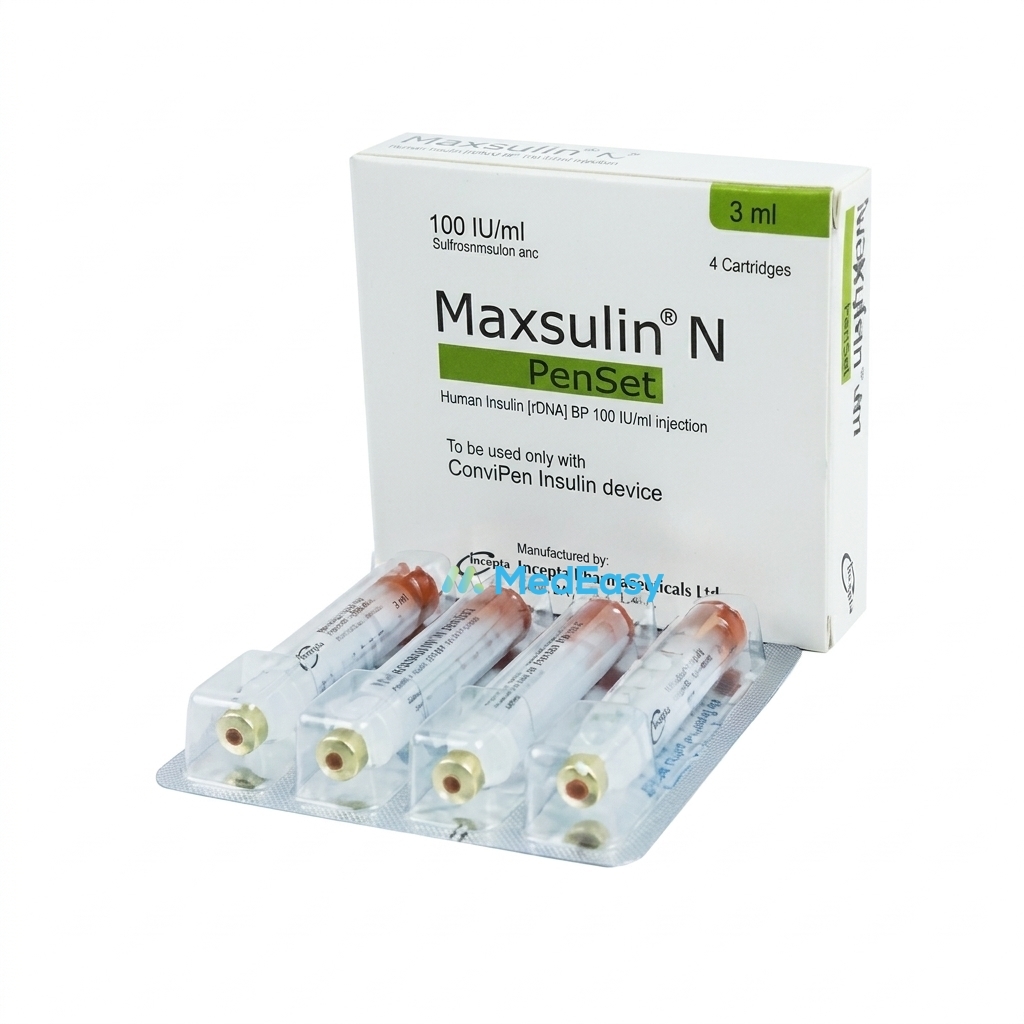
Generic medicine

Insulin Human [Fast-Acting]: Brands, Price & Uses in Bangladesh

Insulin Human [Fast-Acting] is a short-acting (regular) biosynthetic human insulin used to improve glycemic control in patients with diabetes mellitus.

Forms:PenfillSC InjectionFlexpenVialPenset

About Insulin Human [Fast-Acting]

Indications of Insulin Human [Fast-Acting]

Insulin Human [Fast-Acting] is a short-acting (regular) biosynthetic human insulin used to improve glycemic control in patients with diabetes mellitus.

Established / FDA-approved uses

  • Type 1 diabetes mellitus - as part of a basal-bolus regimen, usually combined with an intermediate- or long-acting insulin.
  • Type 2 diabetes mellitus - when oral antidiabetic agents and/or lifestyle measures fail to achieve adequate glycemic control, either alone or combined with other antidiabetic medicines.

Guideline-supported / hospital uses

  • Diabetic ketoacidosis (DKA) and hyperosmolar hyperglycemic state - given intravenously under close medical supervision in a hospital setting.
  • Perioperative and inpatient glycemic control - for patients with stress hyperglycemia, during surgery, or acute illness, including sliding-scale or IV infusion protocols.
  • Gestational diabetes mellitus - when diet and exercise are insufficient to control blood glucose during pregnancy.

Use of Insulin Human [Fast-Acting] always requires individualized dosing based on blood glucose monitoring under a physician's supervision.

Dosage & Administration of Insulin Human [Fast-Acting]

Dosage of Insulin Human [Fast-Acting] must be individualized by the treating physician based on blood glucose monitoring, metabolic needs, meal pattern, and activity level. It is not to be self-adjusted by the patient without medical guidance.

IndicationTypical approach
Type 1 diabetes mellitusGiven subcutaneously as part of a multiple daily injection regimen, combined with an intermediate- or long-acting insulin; dose individualized by physician.
Type 2 diabetes mellitusIndividualized subcutaneous dosing, alone or combined with oral antidiabetic agents/other insulins, as directed by physician.
Diabetic ketoacidosis / hyperosmolar stateGiven intravenously (as infusion or bolus) in a hospital setting, under close medical and laboratory monitoring; dose titrated to blood glucose response.
Pediatric patientsIndividualized dosing with frequent blood glucose monitoring; safety and dosing require close physician supervision.

Timing: When given subcutaneously, Insulin Human [Fast-Acting] is typically injected approximately 30 minutes before a meal to match its onset of action with the post-meal glucose rise.

Important: Insulin Human [Fast-Acting] must never be interchanged with other insulin products, brands, or concentrations unless specifically directed by a physician, as this can require a change in dose. Do not adjust the dose of Insulin Human [Fast-Acting] on your own; any change should be made only under medical supervision.

Side Effects of Insulin Human [Fast-Acting]

The most common and clinically important adverse reaction with Insulin Human [Fast-Acting] is hypoglycemia, which can occur with any insulin therapy.

Common

  • Hypoglycemia (sweating, tremor, palpitations, hunger, confusion; can be severe and lead to seizures or unconsciousness if untreated)
  • Injection site reactions (redness, swelling, itching)
  • Lipodystrophy at repeated injection sites
  • Weight gain, mild peripheral edema

Less common / serious

  • Hypersensitivity reactions, including rare anaphylaxis
  • Hypokalemia (low blood potassium)
  • Localized cutaneous amyloidosis at injection sites (with repeated use at the same site)

Contraindications of Insulin Human [Fast-Acting]

Insulin Human [Fast-Acting] is contraindicated in:

  • Patients with known hypersensitivity to insulin human or any excipient in the formulation.
  • During episodes of hypoglycemia (low blood glucose).

Frequently Asked Questions about Insulin Human [Fast-Acting]

What is Insulin Human [Fast-Acting] used for?

Insulin Human [Fast-Acting] is a short-acting (regular) human insulin used to control blood glucose levels in people with type 1 or type 2 diabetes mellitus, and in hospital settings such as diabetic ketoacidosis. It is usually combined with an intermediate- or long-acting insulin for full-day control.

When should I inject Insulin Human [Fast-Acting] relative to my meals?

Insulin Human [Fast-Acting] is typically injected subcutaneously about 30 minutes before a meal, so that its glucose-lowering action matches the rise in blood sugar after eating. Always follow your physician's specific instructions on timing and dose.

What is the biggest risk with Insulin Human [Fast-Acting]?

The most important risk is hypoglycemia (low blood sugar), which can cause sweating, shakiness, confusion, and in severe cases seizures or unconsciousness. Learn to recognize early symptoms and always carry a fast-acting source of sugar. Severe hypoglycemia is a medical emergency requiring immediate attention.

Can I switch between Insulin Human [Fast-Acting] and another insulin brand on my own?

No. Insulin Human [Fast-Acting] must never be interchanged with another insulin product, brand, or concentration without your physician's explicit guidance, because this can require a change in dose and increases the risk of dosing errors, hypoglycemia, or poor glucose control.

How should I store Insulin Human [Fast-Acting]?

Store unopened Insulin Human [Fast-Acting] in the refrigerator (2-8°C) and do not freeze it. Once in use, it can generally be kept at room temperature away from heat and light and used within the period stated on the label (commonly about 4 weeks), then discarded. Keep it out of reach of children.

Do I need to change my Insulin Human [Fast-Acting] dose myself if I am sick, exercising, or drinking alcohol?

No, you should not change your dose on your own. Illness, exercise, and alcohol can all significantly change how much insulin your body needs, so monitor your blood glucose more closely in these situations and contact your physician for guidance on managing your Insulin Human [Fast-Acting] dose.

Disclaimer

The information provided is accurate to the best of our knowledge, but it does not replace professional medical advice. We cannot guarantee its completeness or accuracy, and the absence of specific information about a drug should not be taken as an endorsement. We are not responsible for any consequences arising from this information, so please consult a healthcare professional for any concerns or questions.

DoctorBlogArticles