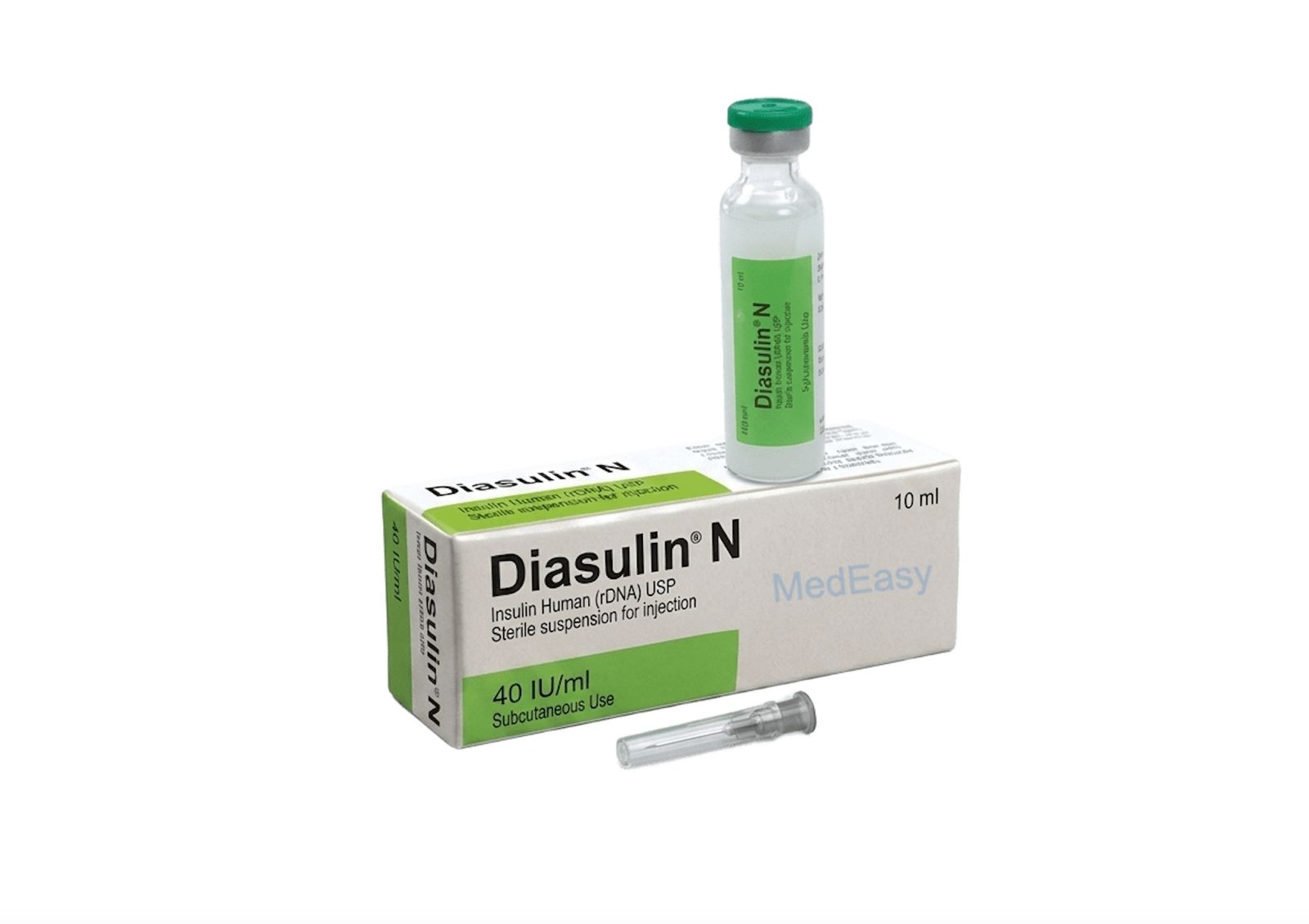
Generic medicine

Insulin Human [Long-Acting]: Brands, Price & Uses in Bangladesh

Insulin Human [Long-Acting] is a biosynthetic (recombinant DNA-derived) human insulin formulated to provide a slow, prolonged (long-acting/basal) glucose-lowering effect.

Forms:VialPenfill

About Insulin Human [Long-Acting]

Indications of Insulin Human [Long-Acting]

Insulin Human [Long-Acting] is a biosynthetic (recombinant DNA-derived) human insulin formulated to provide a slow, prolonged (long-acting/basal) glucose-lowering effect. It is indicated for the treatment of diabetes mellitus as part of a regimen that provides background (basal) insulin coverage.

Established/FDA-recognized uses

  • Type 1 diabetes mellitus — as the basal component of a basal-bolus insulin regimen, used together with a rapid- or short-acting insulin for mealtime coverage.
  • Type 2 diabetes mellitus — for glycemic control when diet, exercise, and oral antidiabetic agents do not provide adequate control, either alone or combined with oral antidiabetic drugs.

Important limitation

Insulin Human [Long-Acting] is not intended for the treatment of diabetic ketoacidosis or acute severe hyperglycemia; a rapid- or short-acting insulin given intravenously under medical supervision is required for those emergencies, because Insulin Human [Long-Acting] has a slow onset and is given only by subcutaneous injection.

Dosage & Administration of Insulin Human [Long-Acting]

The dose of Insulin Human [Long-Acting] must be individualized by the treating physician based on blood glucose monitoring results, metabolic needs, body weight, and the overall treatment regimen. Patients should never adjust their own dose without medical guidance.

PopulationGeneral dosing guidance
AdultsStarting basal dose and subsequent titration are determined individually by the physician, typically starting at a conservative dose and adjusted gradually according to fasting and pre-meal blood glucose readings.
Type 1 diabetesUsed as the basal component alongside a rapid- or short-acting mealtime insulin; total daily insulin requirement and the basal share are set by the physician.
Type 2 diabetesMay be added once daily to existing oral antidiabetic therapy, or used alone, with dose titrated to target fasting glucose.
Pediatric patientsDosing is individualized and weight-based under specialist supervision; see Use in Special Populations.
Renal/hepatic impairmentInsulin requirements are often reduced because clearance is slower; closer glucose monitoring and dose reduction may be needed (see Precautions).

Administration technique

  • For subcutaneous injection only — do not give intravenously or intramuscularly.
  • Inject into the abdomen, thigh, buttock, or upper arm; rotate injection sites systematically within the chosen area to reduce the risk of lipodystrophy (lumps or pitting under the skin) and to keep insulin absorption consistent.
  • If the product is a suspension, gently roll/tip the vial or pen between the palms to re-suspend it evenly before each dose; do not shake vigorously and do not use if clumps or discoloration are seen.
  • Do not mix Insulin Human [Long-Acting] with other insulins unless specifically directed by a physician, and never in the same syringe as a different concentration without medical advice.
  • Do not interchange Insulin Human [Long-Acting] with other insulin products, brands, types, or concentrations without a physician's explicit instruction, as this can require a dose change.

Side Effects of Insulin Human [Long-Acting]

The most common and most important adverse effect of Insulin Human [Long-Acting] is hypoglycemia, which can range from mild (sweating, tremor, hunger, palpitations, confusion) to severe (seizures, loss of consciousness) and requires prompt treatment.

  • Hypoglycemia — the most frequent risk; see Precautions and Warnings for prevention and management.
  • Injection-site reactions — redness, swelling, itching, or pain at the injection site, usually mild and transient.
  • Lipodystrophy — thickening or pitting of fat tissue at repeatedly used injection sites; prevented by site rotation.
  • Weight gain and peripheral edema — can occur with improved glycemic control.
  • Hypokalemia — insulin shifts potassium into cells and can lower serum potassium, which is of particular concern with concurrent potassium-lowering drugs or illness.
  • Allergic reactions — rare; generalized rash, angioedema, or, very rarely, anaphylaxis.

Contraindications of Insulin Human [Long-Acting]

Insulin Human [Long-Acting] is contraindicated in:

  • Patients with known hypersensitivity to Insulin Human [Long-Acting] or to any of its excipients.
  • During episodes of hypoglycemia (low blood glucose).

Frequently Asked Questions about Insulin Human [Long-Acting]

What is Insulin Human [Long-Acting] used for?

Insulin Human [Long-Acting] is used to control blood glucose in people with type 1 or type 2 diabetes mellitus. It provides slow, steady background (basal) insulin coverage and is usually combined with a rapid- or short-acting insulin at mealtimes in type 1 diabetes, or added to oral medicines in type 2 diabetes.

How is Insulin Human [Long-Acting] different from fast-acting insulin?

Insulin Human [Long-Acting] has a delayed onset (around 4-6 hours) and a long, relatively flat duration of action (about 24-36 hours), making it suited to basal (background) glucose control rather than covering the blood glucose rise after meals, which needs a rapid- or short-acting insulin instead.

Can I change the brand or type of insulin on my own?

No. Never switch between Insulin Human [Long-Acting] and any other insulin product, brand, type, or concentration without your physician's explicit instruction, because this can change how your body responds and may require a dose adjustment.

What is the biggest risk with Insulin Human [Long-Acting]?

The main risk is hypoglycemia (low blood sugar), which can cause sweating, shakiness, confusion, and in severe cases seizures or loss of consciousness. Always carry a fast-acting sugar source, and seek emergency care for severe symptoms.

Is Insulin Human [Long-Acting] safe during pregnancy and breastfeeding?

Insulin, including Insulin Human [Long-Acting], is a standard treatment for diabetes in pregnancy, but it should be used only under close physician supervision because dose needs change through pregnancy. It is generally considered compatible with breastfeeding, but your physician should monitor and adjust your dose.

How should I store Insulin Human [Long-Acting]?

Store unopened Insulin Human [Long-Acting] in a refrigerator (2-8°C) and never freeze it. Once opened/in use, it can usually be kept below 30°C away from heat and light for the period stated on the label, then discarded. Keep it out of reach of children.

Disclaimer

The information provided is accurate to the best of our knowledge, but it does not replace professional medical advice. We cannot guarantee its completeness or accuracy, and the absence of specific information about a drug should not be taken as an endorsement. We are not responsible for any consequences arising from this information, so please consult a healthcare professional for any concerns or questions.
DoctorBlogArticles