Generic medicine

Insulin Lispro: Brands, Price & Uses in Bangladesh

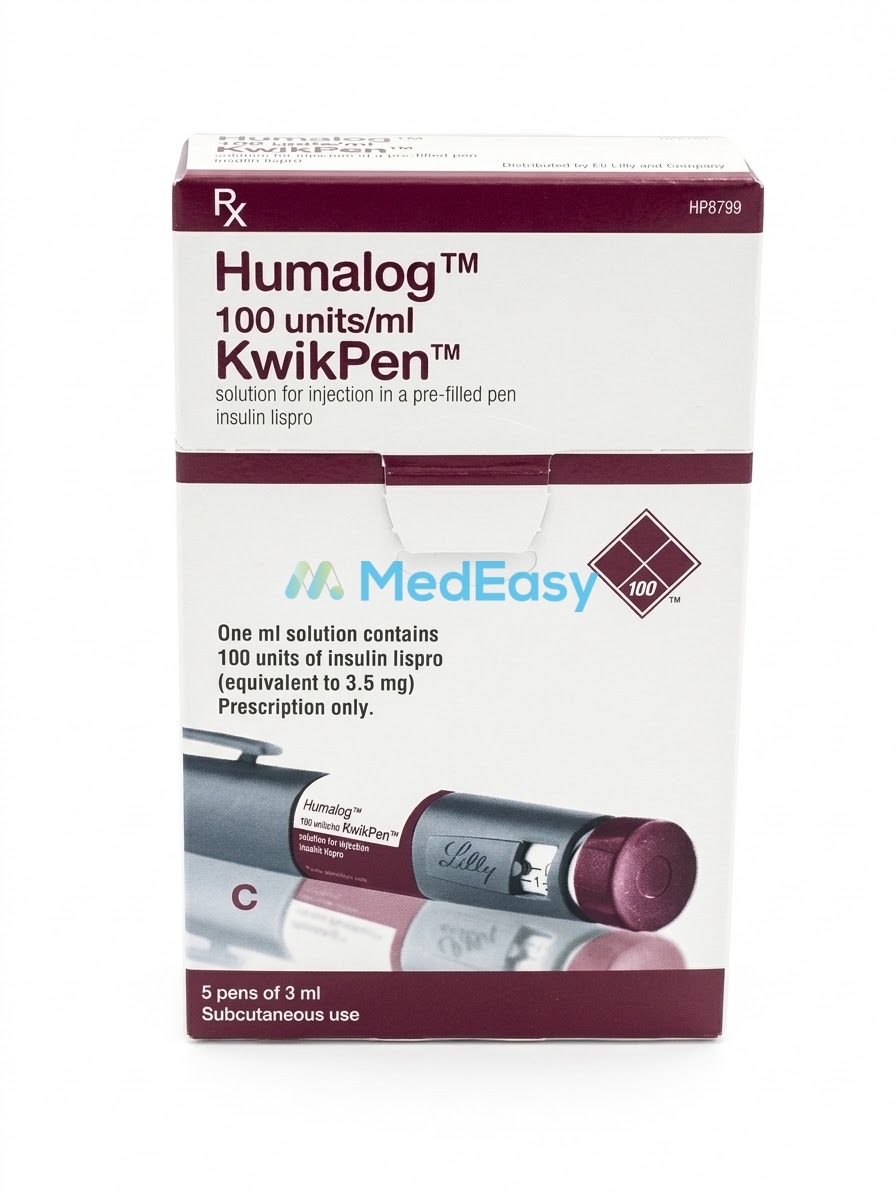
Insulin Lispro is a rapid-acting human insulin analog indicated to improve glycemic control in adults and children with diabetes mellitus.

Forms:CartridgeKwikpenSC Injection

About Insulin Lispro

Indications of Insulin Lispro

Insulin Lispro is a rapid-acting human insulin analog indicated to improve glycemic control in adults and children with diabetes mellitus.

Established / FDA-approved uses

  • Type 1 diabetes mellitus, as part of a regimen that includes a longer-acting (basal) insulin, to control mealtime (postprandial) blood glucose rise.
  • Type 2 diabetes mellitus, as mealtime/bolus insulin, alone or combined with a basal insulin and/or oral antidiabetic agents, when glycemic goals are not met with other therapy.

Other established uses

  • Continuous subcutaneous insulin infusion via an insulin pump, in formulations approved for pump use.
  • Intravenous use under close medical supervision (e.g. management of severe hyperglycemia or diabetic ketoacidosis in a hospital setting), only with appropriate glucose monitoring.

Insulin Lispro is not a substitute for individualized dose titration; the exact dose and timing must always be determined by a treating physician based on each patient's blood glucose monitoring, meal pattern, and activity level.

Dosage & Administration of Insulin Lispro

General principle

The dose of Insulin Lispro is not fixed and must be individualized by a physician for each patient based on blood glucose monitoring, metabolic needs, meal content, and activity level. It is intended for mealtime (bolus) coverage and is usually given together with a longer-acting basal insulin as part of a complete regimen.

Timing of injection

Because of its rapid onset, Insulin Lispro should generally be injected within 15 minutes before a meal or immediately after starting a meal, as directed by the prescriber.

Route of administration

  • Subcutaneous injection into the abdomen, thigh, buttock, or upper arm, with rotation of injection sites to reduce lipodystrophy.
  • Continuous subcutaneous infusion via an approved insulin pump.
  • Intravenous administration only in a hospital/clinical setting under direct medical supervision with frequent glucose monitoring.

Dose adjustment

Dose requirements may need adjustment with changes in physical activity, meals, concurrent illness, renal or hepatic impairment, or other medications (see Interactions). Do not adjust the dose without medical advice.

Side Effects of Insulin Lispro

Most common / most serious

  • Hypoglycemia — the most common and most serious adverse effect of Insulin Lispro; symptoms include sweating, tremor, palpitations, hunger, confusion, and, if severe and untreated, seizure, loss of consciousness, or death.

Other side effects

  • Injection-site reactions: redness, swelling, itching, or pain.
  • Lipodystrophy (lipohypertrophy or lipoatrophy) with repeated injection at the same site.
  • Weight gain and peripheral edema.
  • Allergic reactions ranging from local skin rash to, rarely, generalized allergy or anaphylaxis.
  • Hypokalemia (low blood potassium) with excessive dosing.

Contraindications of Insulin Lispro

Insulin Lispro is contraindicated in:

  • Patients with known hypersensitivity to Insulin Lispro or any of its excipients.
  • During episodes of hypoglycemia (active/current low blood glucose).

Frequently Asked Questions about Insulin Lispro

How quickly does Insulin Lispro start working?

Insulin Lispro begins lowering blood glucose within about 10 to 15 minutes of subcutaneous injection, which is why it should be taken close to mealtime as directed by your physician.

Can I skip a meal after taking my Insulin Lispro dose?

No. Because Insulin Lispro acts quickly, skipping or delaying a meal after your dose can cause hypoglycemia (low blood sugar), which can be dangerous. Always eat the planned meal at the recommended time, and discuss any changes to your meal schedule with your physician.

Can I mix Insulin Lispro with my other insulin in the same syringe?

Only if your physician has specifically told you it is safe to do so for your particular insulin products. Mixing insulins that are not approved for co-administration can change how quickly Insulin Lispro works and increase the risk of poor blood sugar control.

Is Insulin Lispro safe during pregnancy?

Insulin Lispro is commonly used to manage diabetes during pregnancy under close medical supervision, and good blood sugar control is important for both mother and baby. It should be used only if clearly needed, with the dose adjusted by your physician throughout pregnancy, since insulin requirements typically change.

What should I do if I think I have taken too much Insulin Lispro?

Signs of too much Insulin Lispro include sweating, shakiness, confusion, or fainting from low blood sugar. Treat mild symptoms with a fast-acting sugar source if advised by your physician, but if symptoms are severe, or the person becomes confused or unconscious, seek immediate medical attention or contact emergency services right away.

How should I store Insulin Lispro?

Keep unopened Insulin Lispro in the refrigerator (2–8°C) without freezing. Once you start using a vial or pen, it can usually be kept at room temperature (below 30°C) away from light and heat and should be discarded after the period specified on the label, even if medicine remains. Keep out of reach of children.

Disclaimer

The information provided is accurate to the best of our knowledge, but it does not replace professional medical advice. We cannot guarantee its completeness or accuracy, and the absence of specific information about a drug should not be taken as an endorsement. We are not responsible for any consequences arising from this information, so please consult a healthcare professional for any concerns or questions.

DoctorBlogArticles