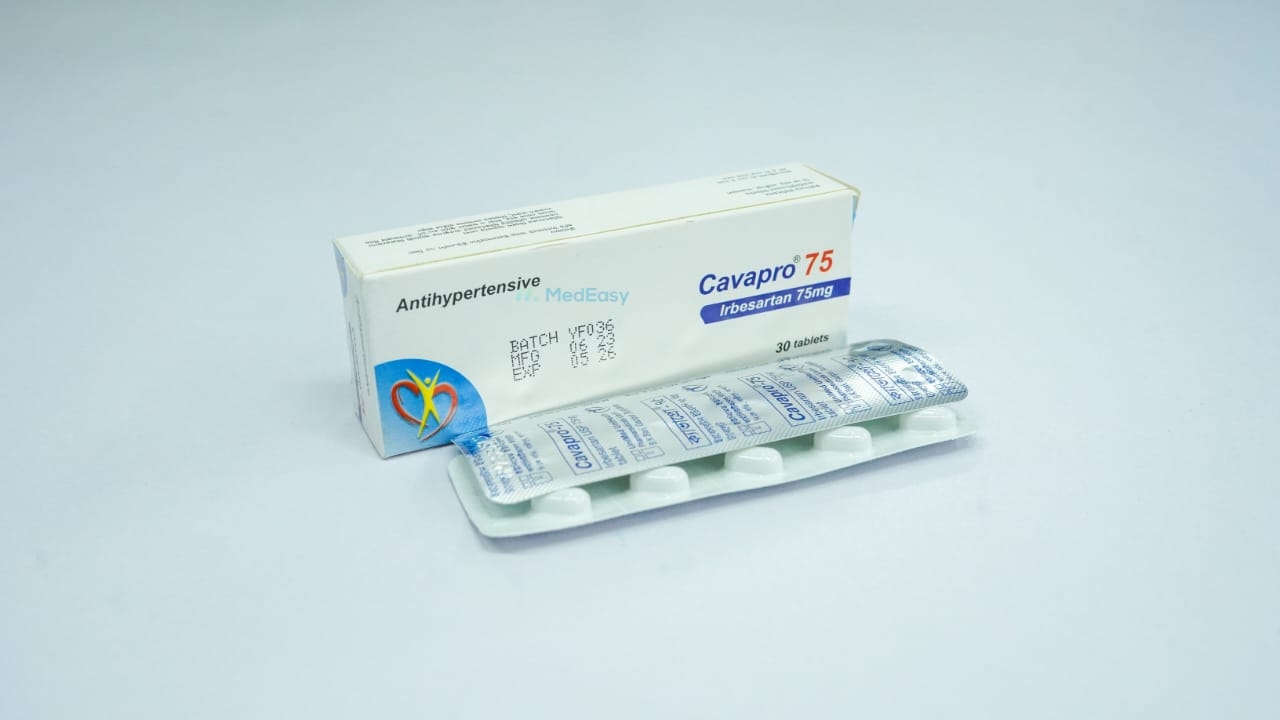
Generic medicine

Irbesartan: Brands, Price & Uses in Bangladesh

Irbesartan is an angiotensin II receptor blocker (ARB) with the following evidence-based indications: Hypertension (established/FDA-approved): Treatment of essential hypertension and more.

Forms:Tablet

About Irbesartan

Indications of Irbesartan

Irbesartan is an angiotensin II receptor blocker (ARB) with the following evidence-based indications:

  • Hypertension (established/FDA-approved): Treatment of essential hypertension, alone or in combination with other antihypertensive agents, to lower blood pressure. Lowering blood pressure reduces the risk of fatal and non-fatal cardiovascular events, primarily strokes and myocardial infarctions.
  • Diabetic nephropathy (established/FDA-approved, guideline-supported): Treatment of nephropathy in patients with type 2 diabetes and hypertension, as part of an antihypertensive regimen, to reduce the rate of progression of nephropathy as measured by the doubling of serum creatinine or the occurrence of end-stage renal disease (need for dialysis or renal transplantation).
  • Combination therapy: Irbesartan is frequently combined with a thiazide diuretic (e.g., hydrochlorothiazide) when blood pressure is not adequately controlled on monotherapy.

Irbesartan is not indicated, and must not be used, during pregnancy (see Contraindications and Pregnancy and Lactation).

Dosage & Administration of Irbesartan

Adults - Hypertension

PopulationDose
Usual starting/maintenance dose150 mg once daily
Dose not adequately controlledMay be increased to 300 mg once daily
Volume-depleted patients or those >75 yearsConsider a starting dose of 75 mg once daily

Adults - Diabetic Nephropathy (Type 2 Diabetes with Hypertension)

Target doseDetail
300 mg once dailyThe recommended target maintenance dose for renal protection, titrated up from a lower starting dose as tolerated

Pediatric Patients

Safety and efficacy of Irbesartan for hypertension in pediatric patients under 6 years of age have not been established. Antihypertensive effect has been studied in children 6-16 years of age, but Irbesartan is generally not preferred as a first-line agent in this age group; use only under specialist pediatric guidance.

Irbesartan may be taken with or without food, at approximately the same time each day, exactly as prescribed by a physician. Do not stop or change the dose without medical advice, and discontinue immediately if pregnancy is suspected or confirmed (see Contraindications).

Side Effects of Irbesartan

Irbesartan is generally well tolerated. Reported side effects include:

  • Common: Dizziness, fatigue, and diarrhea.
  • Less common: Hypotension (particularly in volume-depleted patients), hyperkalemia (especially with renal impairment, diabetes, or concomitant potassium-elevating drugs), musculoskeletal pain, and mild elevations in creatine kinase.
  • Rare: Angioedema, hypersensitivity reactions, and impaired renal function (particularly in patients dependent on the renin-angiotensin system, such as those with renal artery stenosis).

A notable, favorable feature of Irbesartan, as with other ARBs, is a substantially lower incidence of persistent dry cough compared with ACE inhibitors, since it does not affect bradykinin metabolism.

Contraindications of Irbesartan

Irbesartan is contraindicated in:

  • Patients with known hypersensitivity to Irbesartan or any component of the formulation.
  • Pregnancy: Irbesartan can cause injury and death to the developing fetus when used during pregnancy and must be discontinued as soon as possible once pregnancy is detected (see Pregnancy and Lactation).
  • Concomitant use with aliskiren in patients with diabetes mellitus.

Frequently Asked Questions about Irbesartan

What is Irbesartan used for?

Irbesartan is used to treat high blood pressure (hypertension) and to protect the kidneys in people with type 2 diabetes and hypertension by slowing the progression of diabetic kidney disease.

Can I take Irbesartan if I am pregnant or trying to become pregnant?

No. Irbesartan is contraindicated in pregnancy because it can cause serious injury or death to the developing fetus, including problems with the kidneys, lungs, and skeleton. If you become pregnant while taking Irbesartan, stop taking it and contact your physician immediately so you can be switched to a pregnancy-appropriate alternative.

Does Irbesartan cause the same dry cough as other blood pressure medicines?

No, this is a favorable feature of Irbesartan. Unlike ACE inhibitors, which commonly cause a persistent dry cough, Irbesartan and other angiotensin receptor blockers (ARBs) have a much lower incidence of this side effect because they work differently and do not affect the breakdown of bradykinin.

Can Irbesartan cause high potassium levels?

Yes. Irbesartan can raise blood potassium levels (hyperkalemia), especially in people with kidney problems, diabetes, or those taking potassium supplements, potassium-sparing diuretics, or salt substitutes containing potassium. Your physician may check your blood potassium periodically while you are taking Irbesartan.

What should I do if I take too much Irbesartan?

An overdose of Irbesartan most commonly causes low blood pressure and a fast heart rate. If an overdose is suspected, seek immediate medical attention or contact a poison control center or emergency services right away; do not attempt to treat an overdose at home.

Can Irbesartan be combined with other blood pressure medicines?

Irbesartan is often combined with a diuretic such as hydrochlorothiazide when blood pressure is not adequately controlled on Irbesartan alone. However, combining Irbesartan with an ACE inhibitor, another ARB, or aliskiren is generally not recommended (and is contraindicated with aliskiren in diabetic patients) due to increased risk of low blood pressure, high potassium, and kidney problems. Always follow your physician's guidance on combination therapy.

Disclaimer

The information provided is accurate to the best of our knowledge, but it does not replace professional medical advice. We cannot guarantee its completeness or accuracy, and the absence of specific information about a drug should not be taken as an endorsement. We are not responsible for any consequences arising from this information, so please consult a healthcare professional for any concerns or questions.

DoctorBlogArticles
