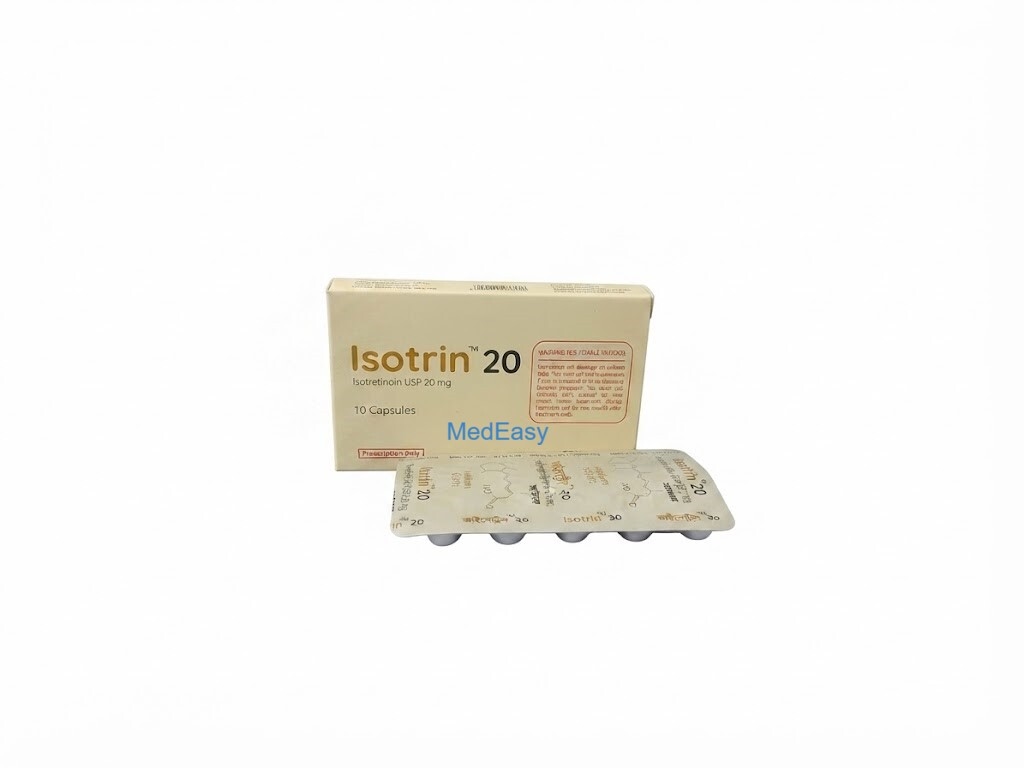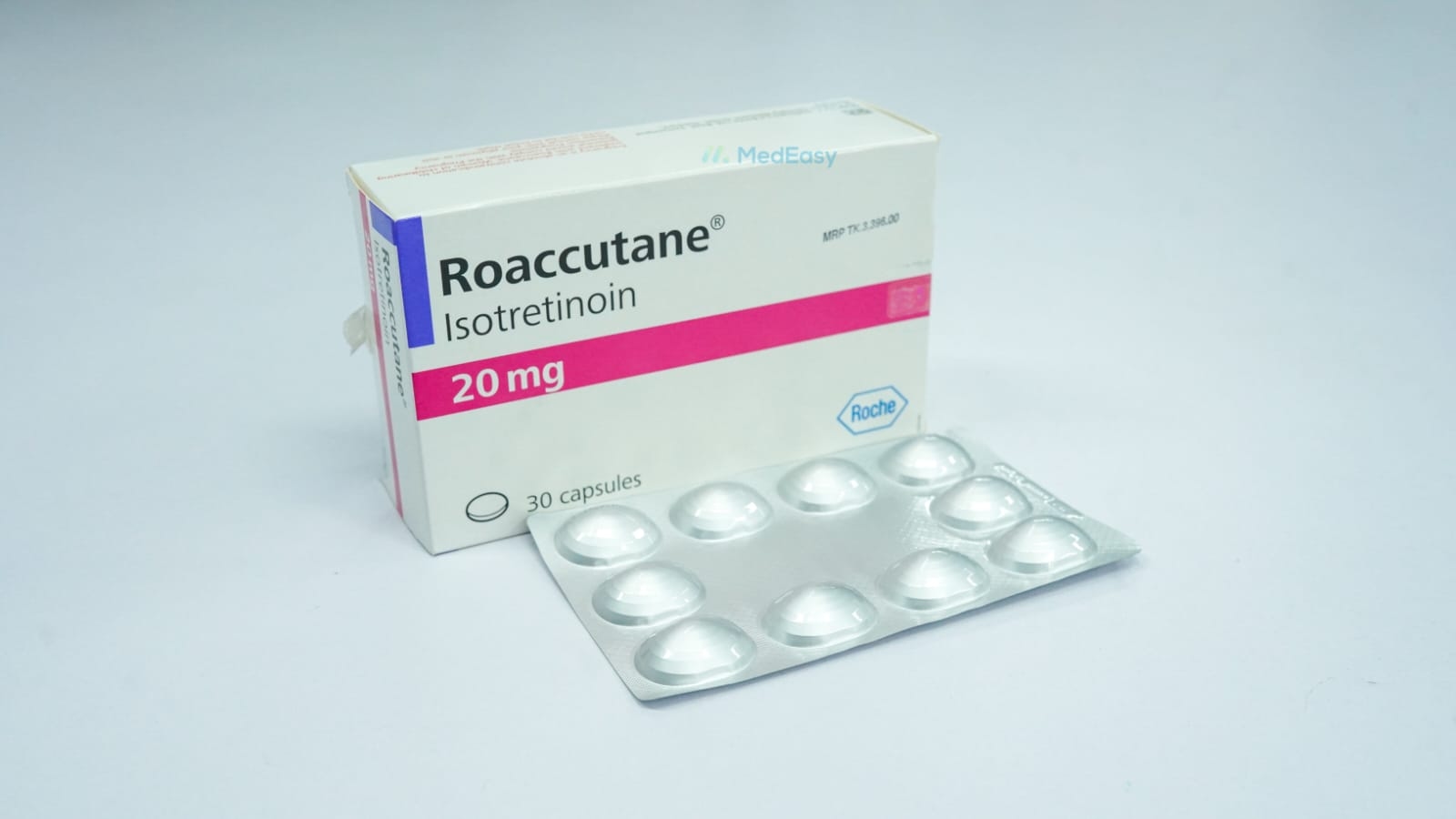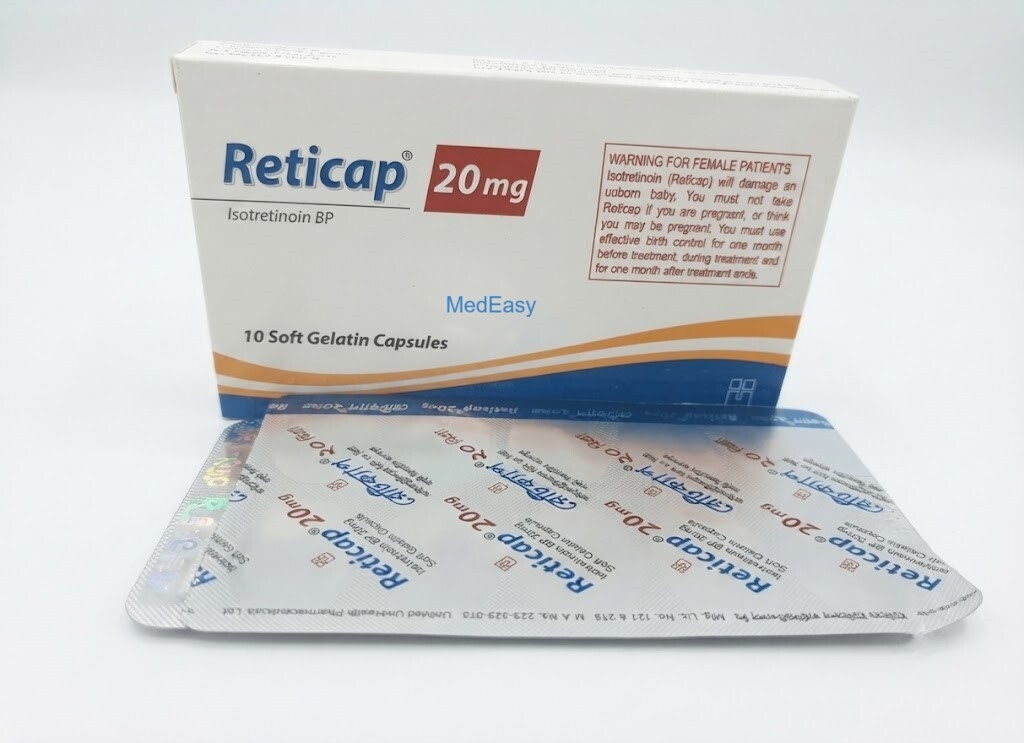
Generic medicine

Isotretinoin: Brands, Price & Uses in Bangladesh

Isotretinoin is a synthetic oral retinoid used mainly in dermatology.

Forms:CapsuleTopical GelGel

About Isotretinoin

Indications of Isotretinoin

Isotretinoin is a synthetic oral retinoid used mainly in dermatology. Its uses can be classified by strength of evidence as follows:

Established / approved indication

  • Severe, recalcitrant nodular acne in patients who have not responded adequately to conventional therapy, including courses of systemic antibiotics combined with topical treatment. Isotretinoin is reserved for this severe, scarring form of acne because of its serious risk profile.

Guideline-supported / commonly used off-label indications

  • Severe inflammatory acne variants such as acne conglobata and acne fulminans (often used together with corticosteroids in acne fulminans).
  • Gram-negative folliculitis that has failed other treatments.
  • Moderate, scarring, or psychologically distressing acne that has failed standard combination therapy, sometimes using lower or intermittent-dose regimens of Isotretinoin.
  • Severe, refractory rosacea, typically at lower doses than those used for acne (off-label).

Isotretinoin is not a first-line or routine treatment for mild-to-moderate acne; it should only be prescribed by, or under the supervision of, a physician experienced in its use.

Dosage & Administration of Isotretinoin

Dosing of Isotretinoin is weight-based and individualized to achieve a cumulative treatment dose; it should only be prescribed by a physician experienced in retinoid therapy under a pregnancy-prevention protocol where applicable.

IndicationTypical adult doseNotes
Severe recalcitrant nodular acneInitial: 0.5 mg/kg/day in 2 divided doses for the first 2–4 weeks; then titrate to 0.5–1 mg/kg/day (up to 2 mg/kg/day in some resistant cases) in 2 divided doses, for a full course of about 15–20 weeksTarget cumulative dose of approximately 120–150 mg/kg over the course; adjust based on response and tolerability
Renal impairmentStart at the lower end of the dose range (e.g. 0.5 mg/kg/day) and titrate cautiouslyLimited data in significant renal impairment; monitor closely
Hepatic impairmentNot well established; generally avoided or used with extreme caution and close liver monitoringDiscontinue if significant transaminase elevation occurs (see Precautions)

See Dosage and Administration fields below for a concise summary, and Precautions and Pregnancy sections for mandatory safety requirements before and during therapy.

Side Effects of Isotretinoin

Side effects of Isotretinoin are dose-related and very common; most are manageable.

Very common (expected in most patients)

  • Dry skin, lips (cheilitis), and nasal mucosa (nosebleeds)
  • Dry, irritated eyes; reduced tolerance to contact lenses
  • Increased sensitivity to sunlight (photosensitivity)
  • Mild, reversible increases in blood triglycerides, cholesterol, and liver enzymes
  • Muscle and joint aches, headache

Serious (uncommon but important — seek medical attention)

  • Pseudotumor cerebri (severe headache, visual disturbance, nausea/vomiting)
  • Pancreatitis, especially with markedly elevated triglycerides
  • Inflammatory bowel disease (persistent abdominal pain, diarrhea, rectal bleeding)
  • Depression, mood changes, or suicidal thoughts (see Precautions)
  • Severe allergic reactions or severe skin reactions (e.g. Stevens-Johnson syndrome) — rare
  • Impaired night vision, hearing changes
  • Skeletal effects (bone density loss with long-term/repeated use; premature growth-plate closure has been reported in adolescents)

Contraindications of Isotretinoin

Isotretinoin is contraindicated in:

  • Pregnancy — Isotretinoin is a potent human teratogen and must never be used during pregnancy (see Pregnancy and Lactation).
  • Known hypersensitivity to isotretinoin, parabens, or any other component of the formulation.
  • Concomitant use with tetracycline-class antibiotics, due to the risk of pseudotumor cerebri.
  • Concomitant use with vitamin A supplements, due to additive toxicity.

Frequently Asked Questions about Isotretinoin

What is Isotretinoin used for?

Isotretinoin is used to treat severe, scarring nodular acne that has not improved with other treatments such as antibiotics and topical medicines. It is not used for mild or moderate acne.

Can I take Isotretinoin if I am pregnant or trying to conceive?

No. Isotretinoin is absolutely contraindicated in pregnancy because it can cause severe birth defects. If you can become pregnant, you must have two negative pregnancy tests before starting, use two reliable forms of contraception (or abstain completely) for one month before, during, and for one month after stopping Isotretinoin, and have monthly pregnancy tests during treatment. Stop the medicine and contact your doctor immediately if you become pregnant while taking it.

Why can't I take antibiotics like doxycycline or tetracycline with Isotretinoin?

Combining Isotretinoin with tetracycline-class antibiotics is contraindicated because it increases the risk of pseudotumor cerebri (raised pressure inside the skull), which can cause severe headache and permanent vision loss.

What are the most common side effects of Isotretinoin?

Most people taking Isotretinoin experience dry skin, lips, and eyes, increased sun sensitivity, and mild increases in blood fats or liver enzymes. Regular blood tests are done to monitor lipids and liver function during treatment.

Can Isotretinoin affect my mood?

Yes. Isotretinoin has been associated with depression, mood changes, and rarely suicidal thoughts. Tell your doctor right away if you notice sadness, irritability, or any troubling changes in mood or behavior while taking Isotretinoin.

Can I donate blood while taking Isotretinoin?

No. You must not donate blood while taking Isotretinoin and for one month after stopping, because if your blood were given to a pregnant woman, it could harm her baby.

Disclaimer

The information provided is accurate to the best of our knowledge, but it does not replace professional medical advice. We cannot guarantee its completeness or accuracy, and the absence of specific information about a drug should not be taken as an endorsement. We are not responsible for any consequences arising from this information, so please consult a healthcare professional for any concerns or questions.

DoctorBlogArticles