
Generic medicine

Ketoprofen: Brands, Price & Uses in Bangladesh

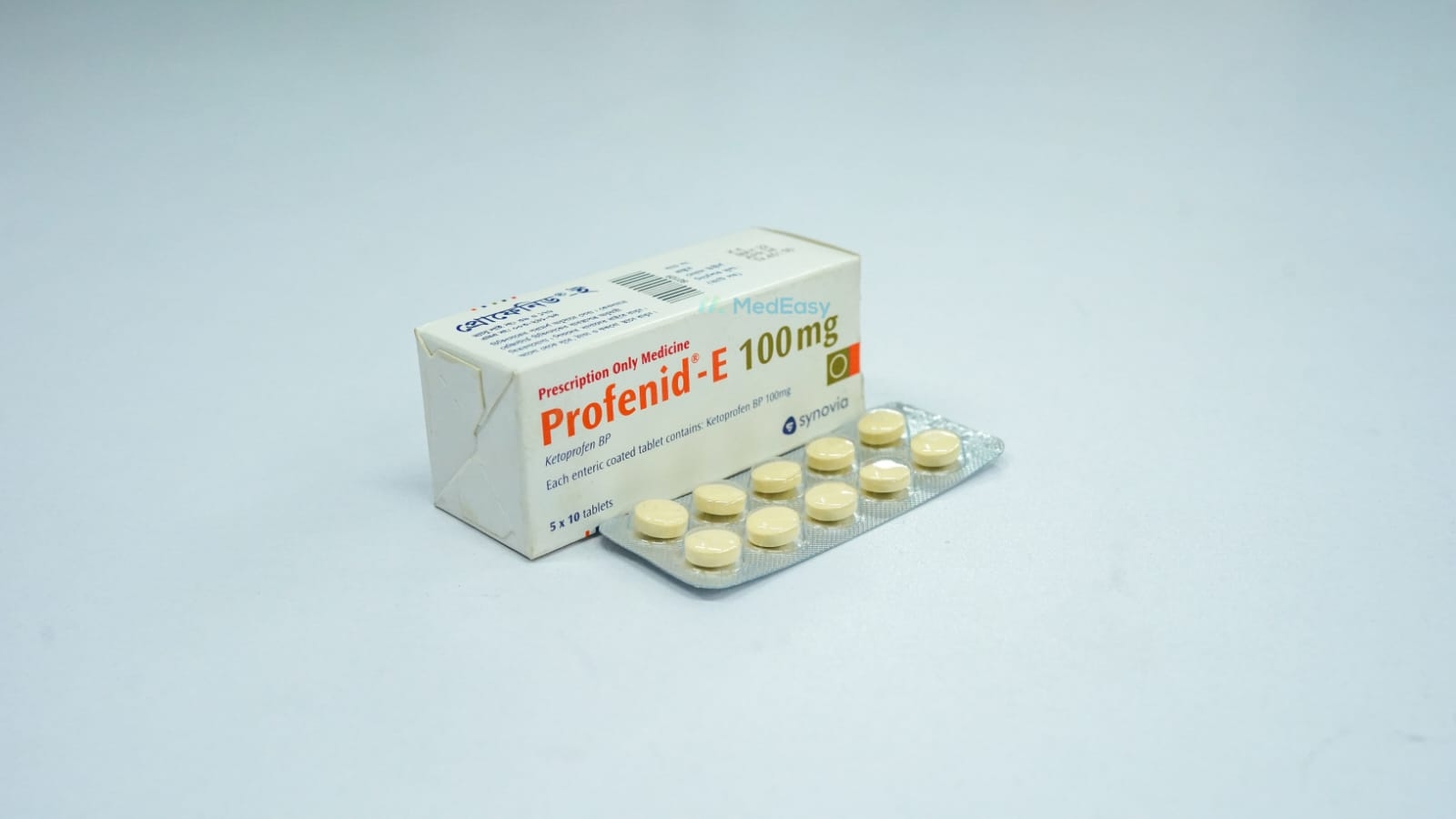
Ketoprofen is a nonsteroidal anti-inflammatory drug (NSAID) of the propionic acid class, established for the following uses: Established / FDA-approved uses Rheumatoid arthritis - relief of signs…

Forms:CapsuleTabletGelIM InjectionSuppository

About Ketoprofen

Indications of Ketoprofen

Ketoprofen is a nonsteroidal anti-inflammatory drug (NSAID) of the propionic acid class, established for the following uses:

Established / FDA-approved uses

  • Rheumatoid arthritis - relief of signs and symptoms.
  • Osteoarthritis - relief of signs and symptoms of degenerative joint disease.
  • Management of mild-to-moderate pain, including musculoskeletal pain, dental pain, and post-operative pain.
  • Primary dysmenorrhea (menstrual cramping pain).

Guideline-supported / commonly used indications

  • Acute soft-tissue conditions such as tendinitis, bursitis, and sprains/strains.
  • Fever and headache, as a general analgesic-antipyretic (short-term, symptomatic use).

Ketoprofen is used only for symptomatic relief; it does not alter the underlying course of arthritic disease.

Dosage & Administration of Ketoprofen

Rheumatoid Arthritis and Osteoarthritis (Adults)

RegimenDose
Starting dose75 mg three times daily OR 50 mg four times daily
MaintenanceAdjust based on response; total 100-300 mg/day in divided doses
Maximum300 mg/day

Pain and Primary Dysmenorrhea (Adults)

25-50 mg every 6-8 hours as necessary. Maximum single dose 75 mg; maximum 300 mg/day.

Elderly (>75 years), Renal or Hepatic Impairment

Use a reduced starting dose. See Use in Special Populations for detailed adjustment.

Administration

Take oral Ketoprofen with food, milk, or antacids to reduce gastrointestinal irritation. Extended-release capsules should be swallowed whole, not crushed or chewed. Use the lowest effective dose for the shortest duration consistent with treatment goals.

Side Effects of Ketoprofen

The most common adverse effects (occurring in more than 1% of patients) include:

  • Dyspepsia, nausea, abdominal pain, diarrhea, constipation, flatulence
  • Headache, dizziness, drowsiness
  • Rash, tinnitus, visual disturbances, fluid retention/edema

Less common but serious reactions (each fully explained under Precautions and Warnings) include gastrointestinal ulceration/bleeding/perforation, cardiovascular thrombotic events (MI, stroke), renal impairment/papillary necrosis, hepatotoxicity, serious skin reactions (Stevens-Johnson syndrome, toxic epidermal necrolysis), DRESS syndrome, anaphylactoid reactions, and blood dyscrasias. Seek prompt medical attention if any severe or unusual symptoms occur while taking Ketoprofen.

Contraindications of Ketoprofen

  • Known hypersensitivity to Ketoprofen or any component of the formulation.
  • History of asthma, urticaria, or other allergic-type reactions after taking aspirin or other NSAIDs (including known NSAID-hypersensitivity/aspirin-exacerbated respiratory disease).
  • Use in the setting of coronary artery bypass graft (CABG) surgery, including perioperative pain management.
  • Active peptic ulcer disease or active gastrointestinal bleeding.
  • Severe hepatic impairment.
  • Severe renal impairment (especially where deterioration is anticipated due to volume depletion).
  • Third trimester of pregnancy (from around 30 weeks gestation onward).

Frequently Asked Questions about Ketoprofen

What is Ketoprofen used for?

Ketoprofen is used to relieve pain and inflammation in conditions such as rheumatoid arthritis, osteoarthritis, musculoskeletal pain, and primary dysmenorrhea (menstrual cramps).

Can I take Ketoprofen with aspirin or other painkillers?

No. Taking Ketoprofen together with aspirin or other NSAIDs increases the risk of stomach bleeding and ulcers, and is generally not recommended. Always tell your doctor about all medicines you take.

Is Ketoprofen safe during pregnancy?

Ketoprofen is contraindicated in the third trimester of pregnancy (from about 30 weeks) because it can cause premature closure of a blood vessel in the baby's heart. It should also be avoided between 20-30 weeks unless clearly necessary, and used only if the benefit outweighs the risk earlier in pregnancy, after consulting a physician.

What are the serious side effects I should watch for?

Seek immediate medical attention if you experience chest pain, sudden weakness or slurred speech (signs of heart attack or stroke), black or bloody stools, severe stomach pain, unusual bruising or bleeding, yellowing of the skin/eyes, or a severe skin rash while taking Ketoprofen.

Can elderly patients take Ketoprofen?

Yes, but with caution. Elderly patients are at greater risk of stomach bleeding, kidney problems, and cardiovascular events with Ketoprofen, so a lower starting dose and close monitoring by a physician are recommended.

What should I do if I miss a dose or take too much Ketoprofen?

If you miss a dose, take it as soon as you remember unless it is almost time for the next dose; do not double up. If you suspect an overdose of Ketoprofen, seek immediate medical attention or contact a poison control center right away.

Disclaimer

The information provided is accurate to the best of our knowledge, but it does not replace professional medical advice. We cannot guarantee its completeness or accuracy, and the absence of specific information about a drug should not be taken as an endorsement. We are not responsible for any consequences arising from this information, so please consult a healthcare professional for any concerns or questions.
DoctorBlogArticles