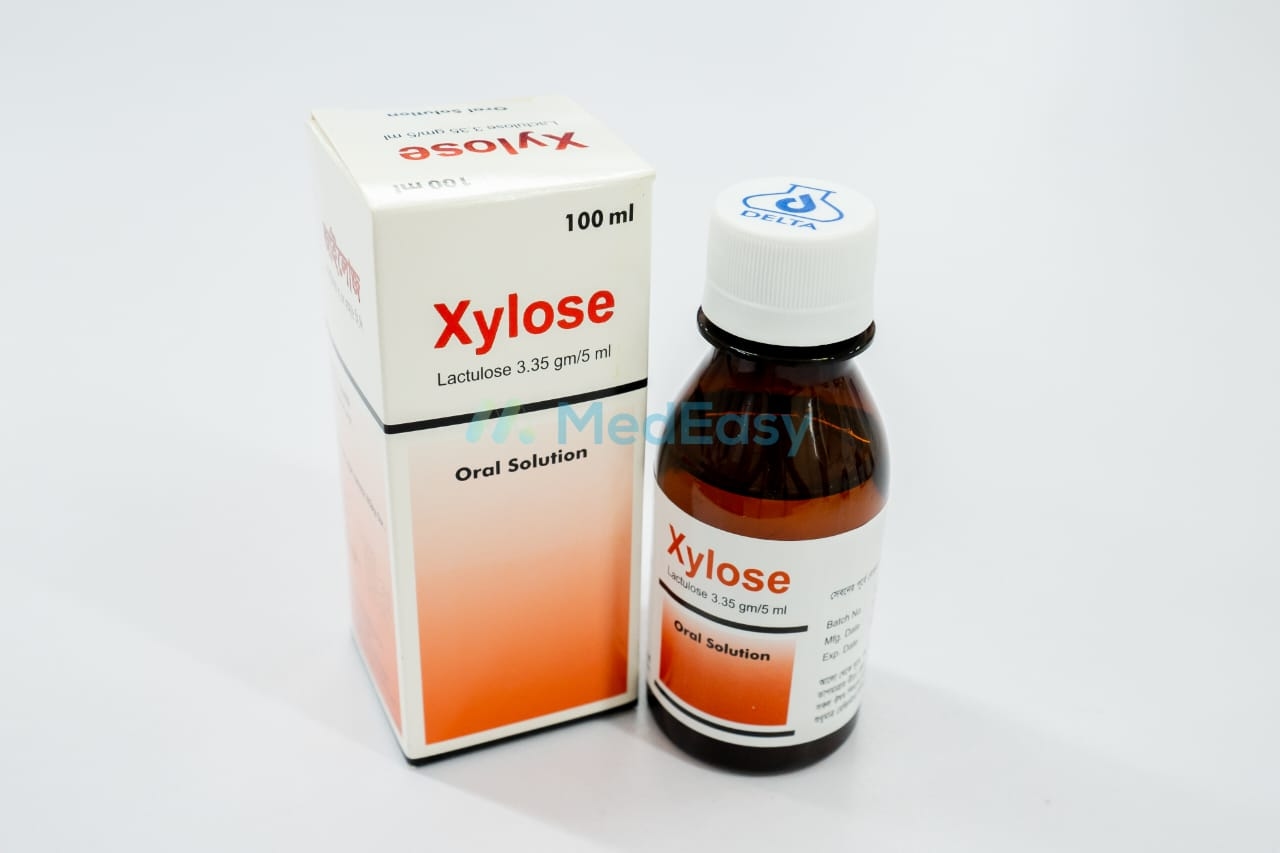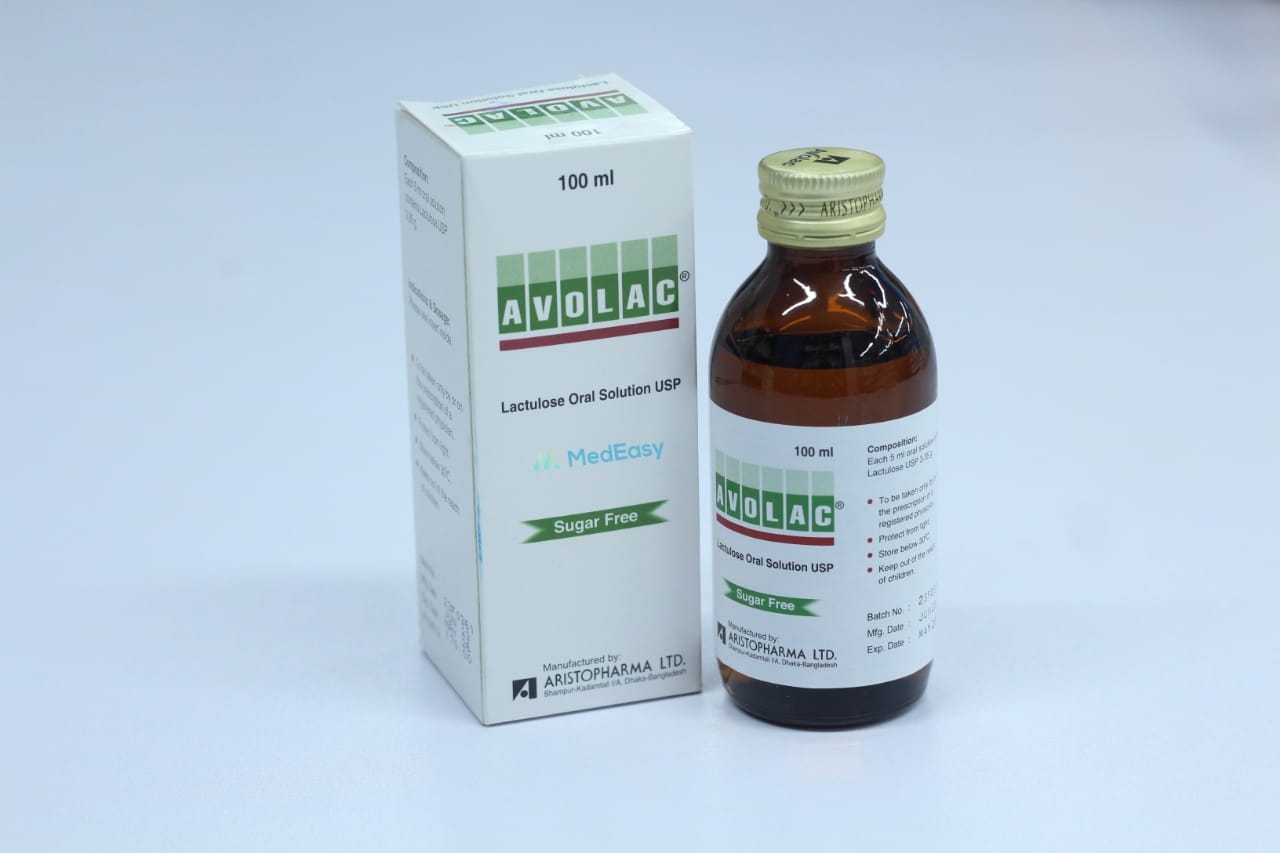
Generic medicine

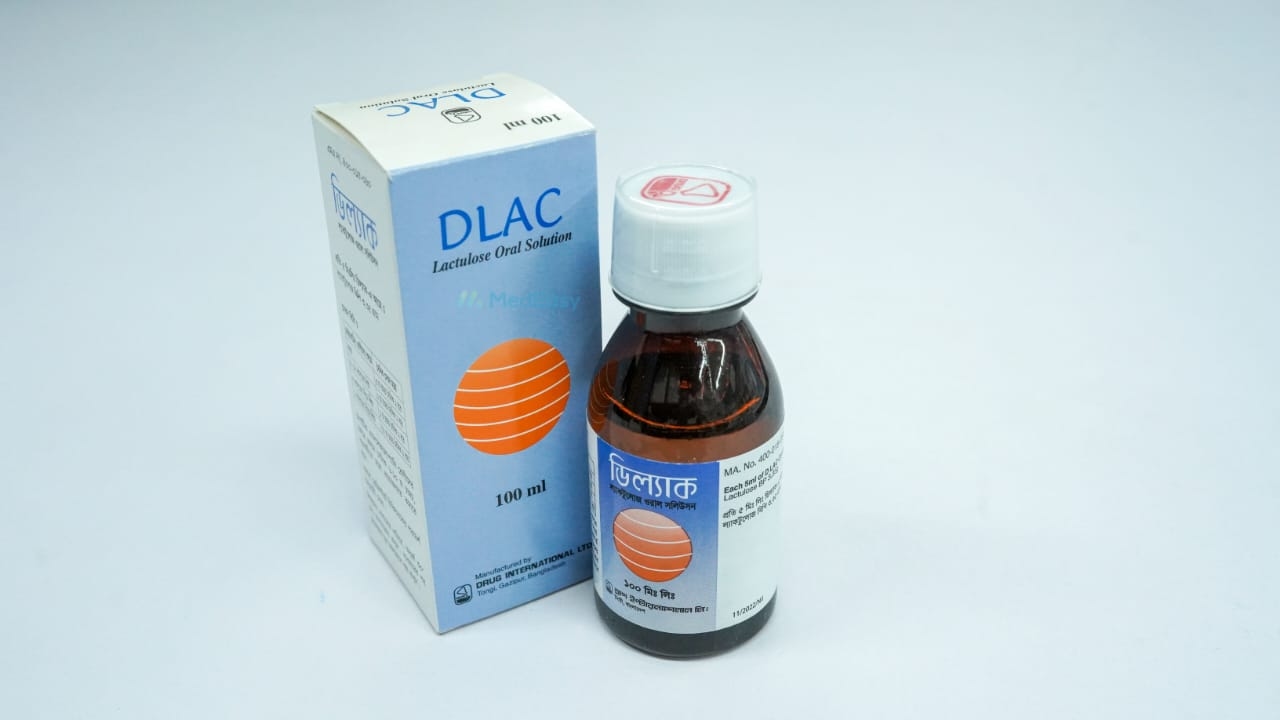
Lactulose: Brands, Price & Uses in Bangladesh

Established / FDA-approved use Treatment of chronic constipation : Lactulose is indicated for patients with chronic idiopathic constipation who have not responded adequately to diet and lifestyle…

Forms:Oral Solution

About Lactulose

Indications of Lactulose

Established / FDA-approved use

  • Treatment of chronic constipation: Lactulose is indicated for patients with chronic idiopathic constipation who have not responded adequately to diet and lifestyle measures.

Guideline-supported use

  • Prevention and treatment of hepatic (portosystemic) encephalopathy, including the stages of hepatic pre-coma and coma, in patients with liver disease. This use is supported by hepatology practice guidelines (e.g., AASLD/EASL) and is a standard first-line therapy for hepatic encephalopathy.

Adjunct use

  • Lactulose may be used as an adjunct with other agents (such as rifaximin) for secondary prevention of recurrent hepatic encephalopathy when Lactulose alone is insufficient.

Lactulose is not an antibiotic and has no role in treating infections.

Dosage & Administration of Lactulose

Constipation (adults)

Usual dose: 15–30 mL (10–20 g) of Lactulose oral solution once daily, which may be increased up to 60 mL/day if required. A bowel movement is usually produced within 24–48 hours; the dose can then be titrated to maintain 1–2 soft stools per day.

Constipation (pediatric)

Formal safety and effectiveness data for constipation in children have not been established in the manufacturer's labeling; however, Lactulose is commonly used off-label under medical supervision, typically dosed by age/weight and titrated to a soft, comfortable stool pattern. Pediatric dosing should always be individualized and supervised by a physician.

Hepatic encephalopathy (adults)

RegimenTypical dose
Initial/titration30–45 mL (20–30 g) orally, 3–4 times daily, or 30–45 mL every 1–2 hours until laxation occurs, then adjust
MaintenanceDose titrated (usually 30–45 mL, 2–4 times daily) to achieve 2–3 soft, formed stools per day
Rectal (if oral not possible)A retention enema of Lactulose solution diluted in water, given under medical supervision, may be used in patients unable to take oral therapy

Dosing for hepatic encephalopathy is higher and more frequent than for simple constipation and must be individually titrated and monitored by a physician; it is not a fixed regimen for self-adjustment by the patient.

Renal/hepatic considerations

No dose adjustment is required for renal impairment because systemic absorption of Lactulose is minimal. Lactulose is, in fact, the primary treatment used in patients with hepatic impairment (for hepatic encephalopathy); electrolytes should be monitored with prolonged or high-dose use in this population.

Side Effects of Lactulose

Common (especially at the start of therapy, usually transient and dose-related): abdominal bloating, flatulence, belching, and abdominal cramping.

Less common: nausea, vomiting, and diarrhea, particularly with excessive dosing.

Uncommon/with excessive or prolonged use: electrolyte imbalance (e.g., low potassium, low sodium) related to fluid loss from diarrhea — see Precautions and Warnings.

Contraindications of Lactulose

  • Known hypersensitivity to Lactulose or any component of the formulation.
  • Galactosemia, or any condition requiring a strict low-galactose diet, because Lactulose formulations contain galactose.
  • Suspected or confirmed gastrointestinal obstruction.

Frequently Asked Questions about Lactulose

What is Lactulose used for?

Lactulose is an osmotic laxative used to treat chronic constipation and is also a standard treatment for preventing and managing hepatic encephalopathy (confusion caused by liver disease) by lowering blood ammonia levels.

How long does Lactulose take to work?

For constipation, Lactulose usually produces a bowel movement within 24 to 48 hours. It is not a fast-acting laxative, so it should not be used when immediate relief is needed.

Can Lactulose be used during pregnancy or breastfeeding?

Lactulose is minimally absorbed into the bloodstream and is generally considered a low-risk laxative option during pregnancy and breastfeeding, but it should only be used if clearly needed and under the guidance of a physician, as there are no well-controlled studies confirming absolute safety.

What are the common side effects of Lactulose?

The most common side effects are abdominal bloating, flatulence (gas), belching, and cramping, especially when starting treatment. These usually lessen over time. Excessive dosing can cause diarrhea and electrolyte imbalance.

Who should not take Lactulose?

Lactulose should not be used by people who are hypersensitive to it, who have galactosemia or require a galactose-free diet, or who have a suspected or confirmed bowel obstruction.

What should I do if I take too much Lactulose?

Taking too much Lactulose can cause severe diarrhea, abdominal cramping, dehydration, and electrolyte imbalance. Stop the medicine, drink fluids, and seek immediate medical attention or contact a poison control center/emergency services if symptoms are severe.

Disclaimer

The information provided is accurate to the best of our knowledge, but it does not replace professional medical advice. We cannot guarantee its completeness or accuracy, and the absence of specific information about a drug should not be taken as an endorsement. We are not responsible for any consequences arising from this information, so please consult a healthcare professional for any concerns or questions.

DoctorBlogArticles