
8% Off
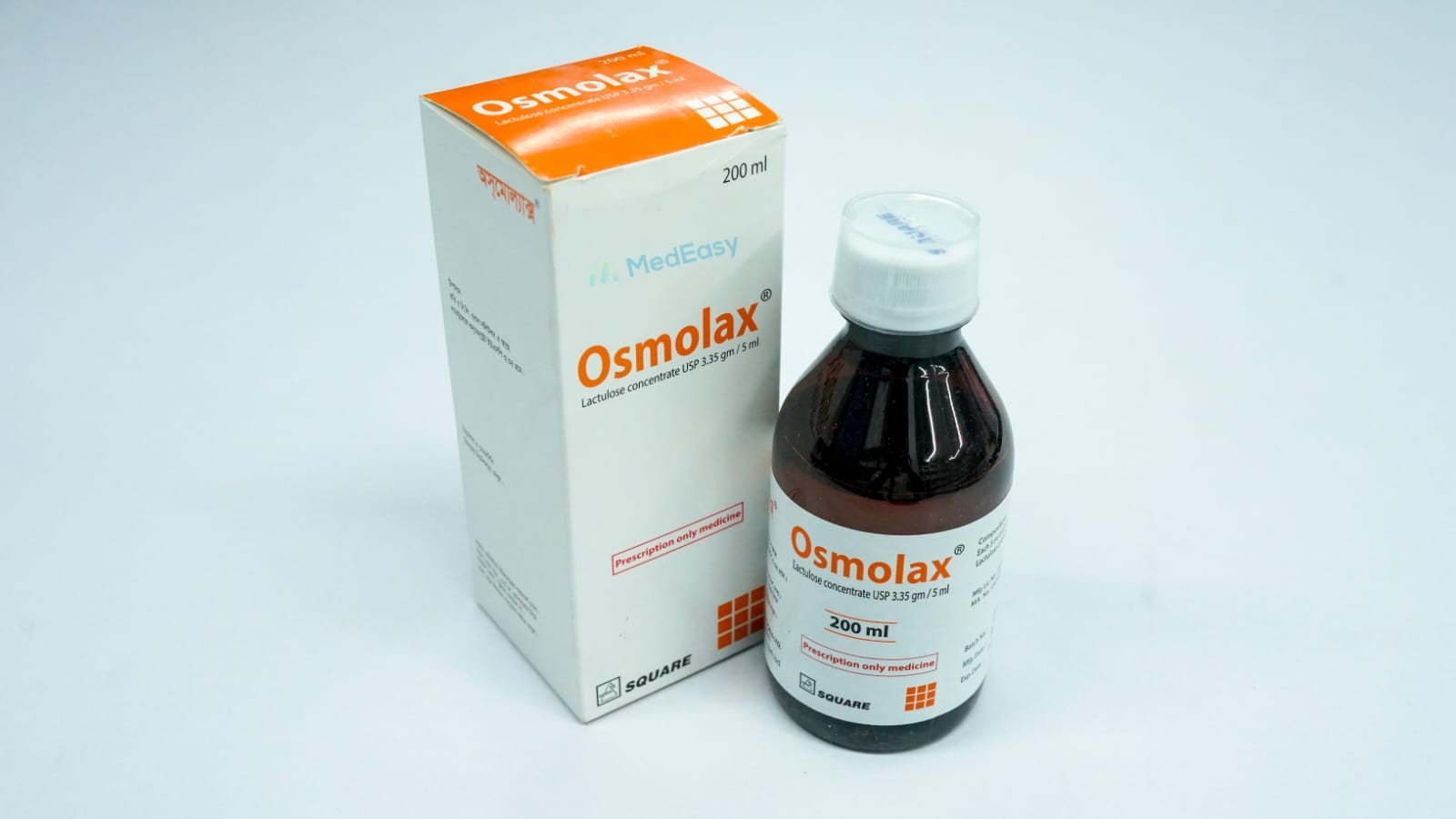
Osmolax200 ml
Square Pharmaceuticals PLC.
৳257.60
Add to cart
Lactulose Concentrate is an osmotic (hyperosmotic) laxative with two well-established, FDA-recognized indications: Treatment of chronic constipation: Lactulose Concentrate is indicated for the…
Lactulose Concentrate is an osmotic (hyperosmotic) laxative with two well-established, FDA-recognized indications:
Lactulose Concentrate is not indicated for the management of acute constipation requiring rapid relief; onset of a laxative effect may take 24-48 hours.
| Indication | Population | Typical Dose |
|---|---|---|
| Chronic constipation | Adults | 15-30 mL (10-20 g) orally once daily; may be increased to 60 mL/day in divided or single doses if needed. Adjust to produce 2-3 soft stools per day. |
| Children | Use only under medical supervision; dose individualized by physician based on age/weight, as formal pediatric labeling for constipation is limited. | |
| Hepatic encephalopathy | Adults | Initial: 30-45 mL (20-30 g) orally, 3-4 times daily, then titrated (usually to 30-45 mL every 1-2 hours initially if needed) to produce 2-3 soft stools per day. Can be given via nasogastric tube or as a retention enema (300 mL Lactulose Concentrate mixed with 700 mL water or normal saline, retained for 30-60 minutes) in patients unable to take oral doses, e.g. those with impaired consciousness. |
| Children | Use only under specialist medical supervision; dosing is individualized and titrated to stool response. |
Lactulose Concentrate should be taken exactly as directed by the prescribing physician. Doses are typically titrated to achieve a specific therapeutic endpoint (soft stool frequency) rather than following a fixed schedule, especially in hepatic encephalopathy.
Common side effects of Lactulose Concentrate, especially at initiation of therapy, include:
With excessive dosing or prolonged use, diarrhea can occur, which may lead to fluid and electrolyte disturbances (e.g. low potassium, low sodium) - see Precautions and Warnings. Most gastrointestinal effects are dose-related and tend to improve as the bowel adapts or the dose is adjusted.
Lactulose Concentrate is contraindicated in patients with:
Disclaimer
The information provided is accurate to the best of our knowledge, but it does not replace professional medical advice. We cannot guarantee its completeness or accuracy, and the absence of specific information about a drug should not be taken as an endorsement. We are not responsible for any consequences arising from this information, so please consult a healthcare professional for any concerns or questions.