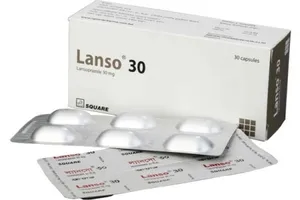
Generic medicine

Lansoprazole: Brands, Price & Uses in Bangladesh

Lansoprazole is a proton pump inhibitor (PPI) approved for the following uses: Established / FDA-approved uses Gastroesophageal reflux disease (GERD): short-term treatment of symptomatic GERD and…

Forms:Capsule

About Lansoprazole

Indications of Lansoprazole

Lansoprazole is a proton pump inhibitor (PPI) approved for the following uses:

Established / FDA-approved uses

  • Gastroesophageal reflux disease (GERD): short-term treatment of symptomatic GERD and healing/maintenance of erosive esophagitis.
  • Duodenal ulcer: short-term treatment and maintenance of healed duodenal ulcer.
  • Gastric ulcer: short-term treatment of active benign gastric ulcer.
  • NSAID-associated gastric ulcer: treatment, and risk reduction in patients who require continued NSAID use.
  • Pathological hypersecretory conditions (including Zollinger-Ellison syndrome).

Uses requiring combination therapy

  • Helicobacter pylori eradication: Lansoprazole is used together with two antibiotics (commonly amoxicillin and clarithromycin) as part of triple therapy to eradicate H. pylori and reduce the risk of duodenal ulcer recurrence. Lansoprazole alone does not eradicate the infection.

Pediatric use

  • GERD and erosive esophagitis in children 1 year and older, for short-term treatment, per approved age/weight-based dosing.

Dosage & Administration of Lansoprazole

Lansoprazole dosing is individualized by indication. Delayed-release capsules should generally be taken before a meal, preferably breakfast. Capsules should be swallowed whole; for patients unable to swallow capsules, the capsule may be opened and the intact granules sprinkled on a small amount of soft food or mixed with an appropriate liquid, per product labeling — the granules should not be crushed or chewed.

IndicationAdult doseDuration
GERD (symptomatic, non-erosive)15 mg once dailyUp to 8 weeks
Erosive esophagitis (healing)30 mg once dailyUp to 8 weeks
Erosive esophagitis (maintenance)15 mg once dailyLong-term, per physician
Duodenal ulcer (active)15 mg once daily4 weeks
Duodenal ulcer (maintenance)15 mg once dailyLong-term, per physician
Gastric ulcer (active, benign)30 mg once dailyUp to 8 weeks
NSAID-associated gastric ulcer (treatment)30 mg once dailyUp to 8 weeks
NSAID-associated gastric ulcer (risk reduction)15 mg once dailyUp to 12 weeks
H. pylori eradication (triple therapy)30 mg twice daily with amoxicillin 1 g twice daily and clarithromycin 500 mg twice daily10-14 days
Pathological hypersecretory conditions (e.g. Zollinger-Ellison syndrome)Start 60 mg once daily; individualize up to 180 mg/day; doses above 120 mg/day given in divided dosesPer physician, based on gastric acid output

Pediatric dosing (GERD / erosive esophagitis)

  • Age 1-11 years: 15 mg once daily if ≤30 kg, or 30 mg once daily if >30 kg, for up to 12 weeks.
  • Age 12-17 years: 30 mg once daily for up to 8 weeks.

Hepatic impairment

In patients with severe hepatic impairment, dose reduction and close monitoring should be considered; consult a physician for individualized dosing.

See Precautions and Warnings for guidance on antibiotic stewardship when Lansoprazole is used as part of H. pylori combination therapy.

Side Effects of Lansoprazole

Most patients tolerate Lansoprazole well. Reported adverse effects include:

Common

  • Headache
  • Diarrhea
  • Nausea, abdominal pain
  • Constipation

Less common / serious (see Precautions and Warnings for details)

  • Clostridioides difficile-associated diarrhea
  • Bone fracture with long-term/high-dose use
  • Hypomagnesemia with prolonged use
  • Vitamin B12 deficiency with prolonged use
  • Acute interstitial nephritis
  • Cutaneous or systemic lupus erythematosus (new onset or exacerbation)
  • Rare hepatic dysfunction and severe skin reactions (e.g. Stevens-Johnson syndrome) — seek medical attention immediately if these occur

Contraindications of Lansoprazole

Lansoprazole is contraindicated in:

  • Patients with known hypersensitivity to Lansoprazole, any component of the formulation, or other proton pump inhibitors (as a class).
  • Concomitant use with rilpivirine-containing products, due to significantly decreased rilpivirine plasma concentrations and loss of virologic response/possible resistance.

Frequently Asked Questions about Lansoprazole

What is Lansoprazole used for?

Lansoprazole is a proton pump inhibitor used to treat acid-related conditions such as gastroesophageal reflux disease (GERD), duodenal and gastric ulcers, and — combined with antibiotics — to help eradicate H. pylori infection.

How should I take Lansoprazole?

Take Lansoprazole before a meal, preferably breakfast, swallowing the capsule whole with water. Do not crush or chew it. Take it at the same time each day for best effect.

Can I take Lansoprazole long-term?

Lansoprazole is generally used for the shortest duration needed for your condition. Long-term use (especially beyond one year) has been linked to increased risk of bone fracture, low magnesium levels, and vitamin B12 deficiency, so your physician should periodically review the need for continued therapy.

Is Lansoprazole safe during pregnancy or breastfeeding?

Lansoprazole should be used in pregnancy or while breastfeeding only if your physician determines it is clearly needed, since the potential benefit must be weighed against any potential risk to the fetus or nursing infant. Always consult your physician before use in these situations.

What should I do if I miss a dose or take too much Lansoprazole?

If you miss a dose, take it as soon as you remember unless it is close to your next dose — do not double up. If you suspect you have taken too much Lansoprazole, seek immediate medical attention or contact a poison control center/emergency services.

Can I stop Lansoprazole suddenly?

Stopping Lansoprazole abruptly after prolonged use may cause a temporary rebound increase in stomach acid symptoms. Discuss with your physician whether your dose should be gradually reduced rather than stopped abruptly.

Disclaimer

The information provided is accurate to the best of our knowledge, but it does not replace professional medical advice. We cannot guarantee its completeness or accuracy, and the absence of specific information about a drug should not be taken as an endorsement. We are not responsible for any consequences arising from this information, so please consult a healthcare professional for any concerns or questions.

DoctorBlogArticles