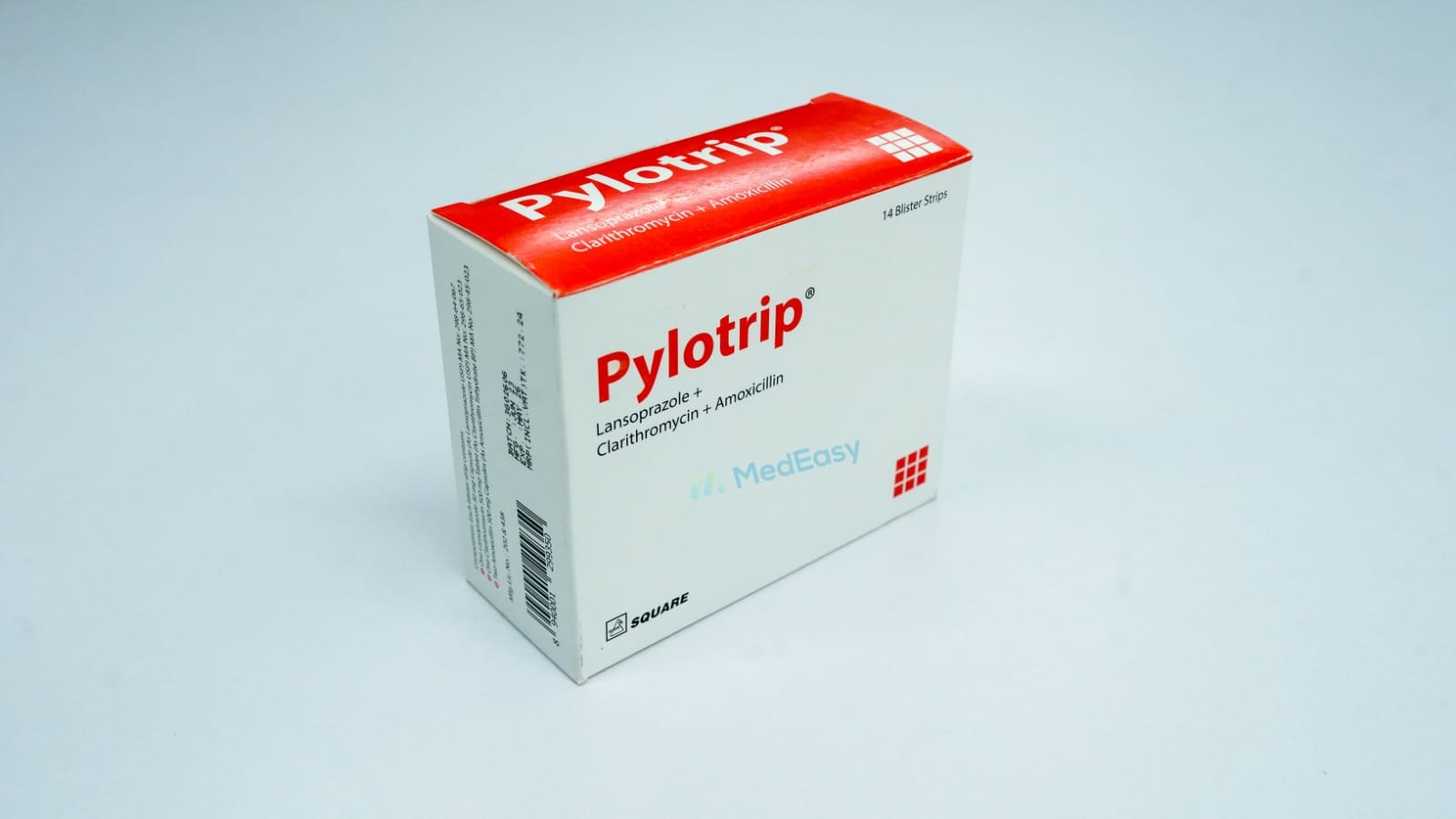
Generic medicine

Lansoprazole + Amoxicillin + Clarithromycin: Brands, Price & Uses in Bangladesh

Established Indication Lansoprazole + Amoxicillin + Clarithromycin is a fixed-combination regimen (a proton pump inhibitor plus two antibiotics) indicated for the treatment of patients with…

Forms:Tablet

About Lansoprazole + Amoxicillin + Clarithromycin

Indications of Lansoprazole + Amoxicillin + Clarithromycin

Established Indication

Lansoprazole + Amoxicillin + Clarithromycin is a fixed-combination regimen (a proton pump inhibitor plus two antibiotics) indicated for the treatment of patients with Helicobacter pylori (H. pylori) infection and duodenal ulcer disease (active or a history within the past 5 years), to eradicate H. pylori. Eradication of H. pylori has been shown to reduce the risk of duodenal ulcer recurrence.

Not Indicated For

  • Lansoprazole + Amoxicillin + Clarithromycin is not indicated for isolated gastro-oesophageal reflux disease, dyspepsia, or peptic ulcer disease without confirmed H. pylori infection; a full triple-antibiotic course should not be used unless H. pylori infection has actually been demonstrated (by biopsy, stool antigen, or urea breath test).
  • Lansoprazole + Amoxicillin + Clarithromycin is not a standard first-line regimen in regions/patients with known high clarithromycin resistance; local resistance patterns should guide the choice of eradication regimen.

Lansoprazole + Amoxicillin + Clarithromycin must always be used as directed by a physician for a confirmed indication; it should not be substituted for other acid-suppressive therapy alone.

Dosage & Administration of Lansoprazole + Amoxicillin + Clarithromycin

Adult Dosage (H. pylori eradication)

ComponentDoseFrequencyDuration
Lansoprazole30 mgTwice daily (every 12 hours)10–14 days (per prescribed protocol; 14 days per standard labeling)
Amoxicillin1 g (2 x 500 mg)Twice daily (every 12 hours)Same course as above
Clarithromycin500 mgTwice daily (every 12 hours)Same course as above

All three components of Lansoprazole + Amoxicillin + Clarithromycin are taken together before meals, morning and evening, for the full prescribed duration — typically 14 days, though some protocols use 10 days depending on local resistance patterns and physician judgment.

Renal/Hepatic Adjustment

  • Severe renal impairment (creatinine clearance < 30 mL/min): the lansoprazole component of Lansoprazole + Amoxicillin + Clarithromycin is generally reduced to once-daily dosing, and amoxicillin dosing frequency may need reduction; use of Lansoprazole + Amoxicillin + Clarithromycin in severe renal impairment should be individualized by a physician.
  • Severe hepatic impairment: clarithromycin exposure increases; use of Lansoprazole + Amoxicillin + Clarithromycin should be reviewed by a physician, with dose reduction or an alternative regimen considered if renal impairment coexists.

Missed Dose

If a dose of Lansoprazole + Amoxicillin + Clarithromycin is missed, it should be taken as soon as remembered unless it is close to the next scheduled dose; doses should not be doubled. Completing every dose for the full course is essential (see Precautions).

Side Effects of Lansoprazole + Amoxicillin + Clarithromycin

Common

  • Diarrhea (may be dose-limiting)
  • Nausea and abdominal discomfort
  • Altered or metallic taste (dysgeusia) — a well-recognized clarithromycin effect
  • Headache
  • Vaginal candidiasis (yeast infection) due to antibiotic use
  • Skin rash

Less Common / Serious

  • Clostridioides difficile-associated diarrhea/colitis, which can range from mild to life-threatening and may occur during or up to several weeks after finishing Lansoprazole + Amoxicillin + Clarithromycin.
  • Hepatic enzyme elevation or, rarely, hepatotoxicity.
  • QT-interval prolongation and, rarely, serious ventricular arrhythmia.
  • Severe hypersensitivity reactions, including anaphylaxis and severe cutaneous reactions (e.g., Stevens-Johnson syndrome) — rare but require immediate discontinuation of Lansoprazole + Amoxicillin + Clarithromycin and medical attention.

Patients should seek prompt medical attention for severe or persistent diarrhea, signs of allergic reaction, jaundice, or palpitations while taking Lansoprazole + Amoxicillin + Clarithromycin.

Contraindications of Lansoprazole + Amoxicillin + Clarithromycin

  • Known hypersensitivity to lansoprazole, any other proton pump inhibitor, amoxicillin or other penicillins/beta-lactams, clarithromycin, or any other macrolide antibiotic — Lansoprazole + Amoxicillin + Clarithromycin must not be used in patients with any of these allergies; an alternative eradication regimen is required.
  • Concomitant use with pimozide, cisapride, ergotamine or dihydroergotamine, astemizole, or terfenadine — the clarithromycin component of Lansoprazole + Amoxicillin + Clarithromycin can raise plasma levels of these drugs via CYP3A4 inhibition, risking life-threatening cardiac arrhythmia or ergotism.
  • Concomitant use with lovastatin or simvastatin — risk of severe rhabdomyolysis due to clarithromycin-mediated CYP3A4 inhibition.
  • History of QT prolongation, ventricular cardiac arrhythmia (including torsades de pointes), or known congenital long QT syndrome — the clarithromycin component of Lansoprazole + Amoxicillin + Clarithromycin carries a QT-prolongation risk.
  • History of cholestatic jaundice/hepatic dysfunction previously associated with clarithromycin use.

Frequently Asked Questions about Lansoprazole + Amoxicillin + Clarithromycin

What is Lansoprazole + Amoxicillin + Clarithromycin used for?

Lansoprazole + Amoxicillin + Clarithromycin is a fixed combination of a proton pump inhibitor (lansoprazole) and two antibiotics (amoxicillin and clarithromycin) used together to eradicate Helicobacter pylori infection in patients with active or past duodenal ulcer disease.

How long do I need to take Lansoprazole + Amoxicillin + Clarithromycin?

Lansoprazole + Amoxicillin + Clarithromycin is usually prescribed for 10 to 14 days, exactly as directed by your physician. It is essential to complete the entire course even if you start feeling better, to fully eradicate the infection and reduce the risk of antibiotic resistance.

Can I take Lansoprazole + Amoxicillin + Clarithromycin if I am allergic to penicillin?

No. A true penicillin allergy is an absolute contraindication to Lansoprazole + Amoxicillin + Clarithromycin because it contains amoxicillin, a penicillin-class antibiotic. Tell your physician about any penicillin or macrolide allergy so an alternative eradication regimen can be chosen.

Is Lansoprazole + Amoxicillin + Clarithromycin safe during pregnancy or breastfeeding?

Lansoprazole + Amoxicillin + Clarithromycin should be used in pregnancy or while breastfeeding only if a physician determines it is clearly needed and no safer alternative exists, since data on the combined use of its components in these situations are limited. Always consult your physician first.

What side effects should I watch for with Lansoprazole + Amoxicillin + Clarithromycin?

Common side effects of Lansoprazole + Amoxicillin + Clarithromycin include diarrhea, nausea, altered taste, and headache. Seek prompt medical attention for severe or bloody diarrhea, signs of allergic reaction (rash, swelling, difficulty breathing), jaundice, or irregular heartbeat.

Can I stop Lansoprazole + Amoxicillin + Clarithromycin early if I feel better?

No. Take Lansoprazole + Amoxicillin + Clarithromycin exactly as prescribed by your physician; do not stop, extend, skip doses, or share this medicine with others without medical advice. Stopping early risks treatment failure and antibiotic resistance.

Disclaimer

The information provided is accurate to the best of our knowledge, but it does not replace professional medical advice. We cannot guarantee its completeness or accuracy, and the absence of specific information about a drug should not be taken as an endorsement. We are not responsible for any consequences arising from this information, so please consult a healthcare professional for any concerns or questions.

DoctorBlogArticles