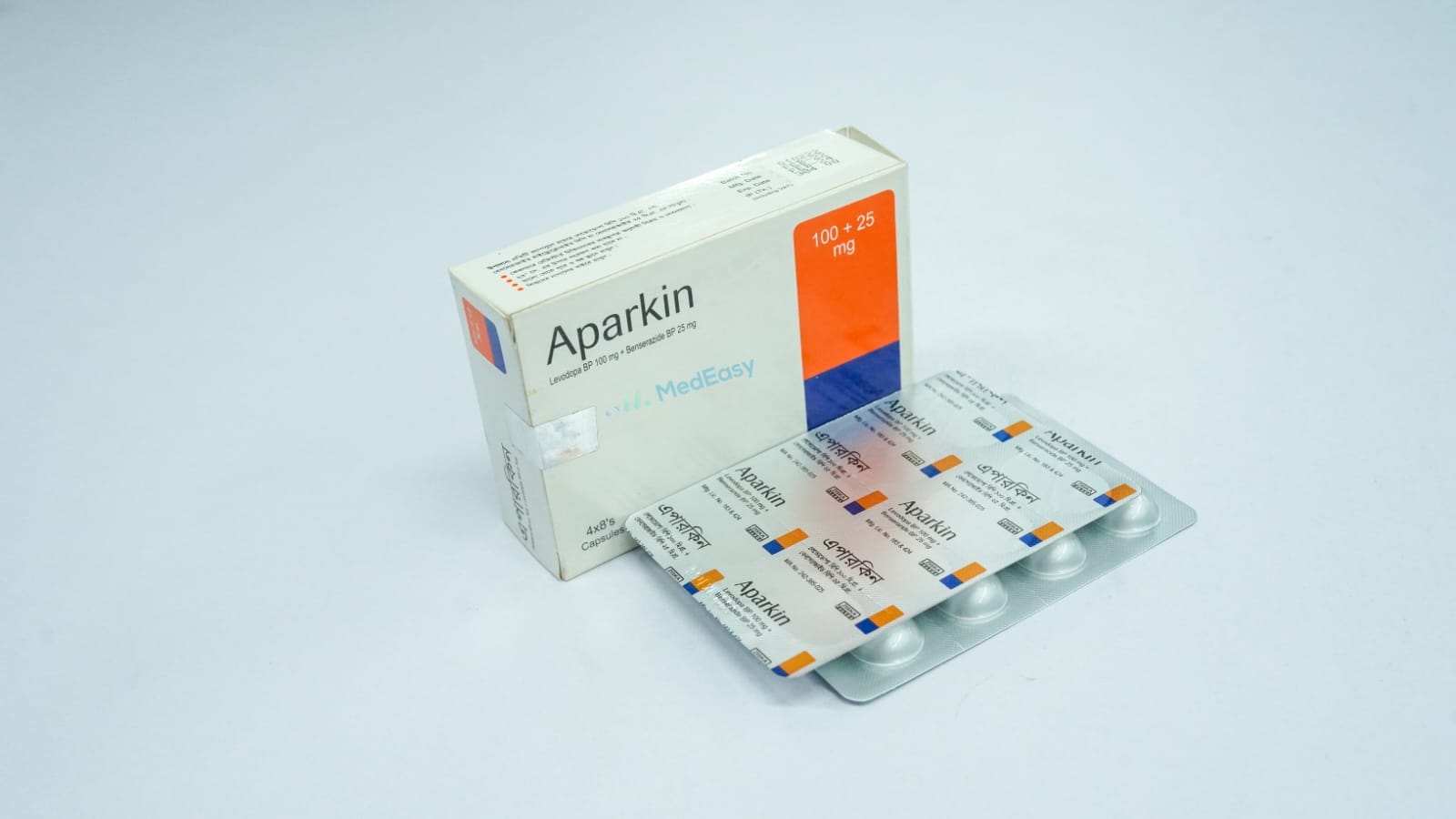
Generic medicine

Levodopa + Benserazide: Brands, Price & Uses in Bangladesh

Levodopa + Benserazide is indicated for the treatment of Parkinson's disease and parkinsonian syndromes.

Forms:CapsuleTabletDispersible Tablet

About Levodopa + Benserazide

Indications of Levodopa + Benserazide

Levodopa + Benserazide is indicated for the treatment of Parkinson's disease and parkinsonian syndromes.

Established/Guideline-Supported Uses

  • Idiopathic Parkinson's disease - first-line dopaminergic therapy for motor symptoms (tremor, rigidity, bradykinesia, postural instability) across all stages of disease severity.
  • Post-encephalitic parkinsonism - symptomatic treatment of parkinsonian features arising after encephalitis.
  • Symptomatic (arteriosclerotic) parkinsonism - relief of parkinsonian symptoms of vascular origin.

Uses Requiring Specialist Supervision

  • Dopa-responsive dystonia (including Segawa disease) - used off-label under specialist (usually pediatric neurology) supervision when this specific diagnosis is confirmed.

Levodopa + Benserazide is generally not effective for parkinsonism induced by dopamine-blocking drugs (e.g., antipsychotics) and is not indicated for such drug-induced parkinsonism.

Dosage & Administration of Levodopa + Benserazide

Dosing of Levodopa + Benserazide is individualized and must be titrated gradually by a physician according to therapeutic response and tolerability.

IndicationAdult Dosing
Initial therapy, Parkinson's diseaseStarting dose typically equivalent to 50 mg of the levodopa component, 1-2 times daily, increased gradually every few days to weekly based on response and tolerability.
Maintenance therapyUsual maintenance dose ranges from 300 mg to 800 mg of the levodopa component daily, given in 3 to 6 divided doses; some patients on specialist guidance may require higher doses.
Controlled-release formulationUsed for patients with motor fluctuations ("wearing-off"); dosing and interval individualized by a specialist, generally given 2-4 times daily.
Switching from levodopa aloneLevodopa dose is usually reduced by around 20% when converting to Levodopa + Benserazide, as benserazide increases levodopa bioavailability; a physician must supervise the switch.

Elderly patients and those with hepatic or renal impairment should generally start at the lower end of the dosing range with slower titration, under close medical supervision (see Use in Special Populations). Doses should never be adjusted or discontinued abruptly without medical advice.

Side Effects of Levodopa + Benserazide

Levodopa + Benserazide can cause the following adverse effects:

Common

  • Nausea, vomiting, loss of appetite
  • Dizziness, light-headedness, orthostatic hypotension
  • Dry mouth, constipation
  • Insomnia, vivid dreams, drowsiness
  • Harmless reddish discoloration of urine or sweat

Less Common / Serious

  • Dyskinesias (involuntary movements) and motor fluctuations with long-term use
  • Confusion, hallucinations, or psychosis, particularly in elderly patients
  • Impulse control disorders (e.g., pathological gambling, hypersexuality, compulsive shopping or eating)
  • Cardiac arrhythmias
  • A withdrawal reaction resembling neuroleptic malignant syndrome if therapy is stopped abruptly (see Precautions and Warnings)

Patients should report any unusual mood, behavioral, or movement changes to their physician promptly.

Contraindications of Levodopa + Benserazide

Levodopa + Benserazide is contraindicated in the following situations:

  • Known hypersensitivity to levodopa, benserazide, or any component of the formulation.
  • Angle-closure glaucoma.
  • Severe psychotic disorders.
  • Concurrent use of non-selective monoamine oxidase inhibitors (MAOIs), or use within the preceding 14 days, due to the risk of hypertensive crisis.
  • Known malignant melanoma or undiagnosed skin lesions suspicious for melanoma, as levodopa may activate malignant melanoma.

Frequently Asked Questions about Levodopa + Benserazide

What is Levodopa + Benserazide used for?

Levodopa + Benserazide is used to treat the motor symptoms of Parkinson's disease and certain other forms of parkinsonism, such as tremor, stiffness, and slowness of movement.

How should I take Levodopa + Benserazide?

Levodopa + Benserazide should be taken exactly as prescribed by your physician, at evenly spaced intervals, with a consistent relationship to meals. Do not change your dose or stop taking it without consulting your doctor.

Can I stop taking Levodopa + Benserazide suddenly if I feel better?

No. Stopping Levodopa + Benserazide abruptly can cause a serious reaction with high fever, muscle rigidity, and confusion, similar to neuroleptic malignant syndrome. Any change in dose must be made gradually under medical supervision.

Is Levodopa + Benserazide safe during pregnancy?

Safety in pregnancy has not been well established. Levodopa + Benserazide should be used in pregnancy only if the potential benefit clearly outweighs the potential risk, and only under a physician's guidance. It may also reduce breast milk production, so breastfeeding should be discussed with your doctor.

What side effects should I watch for with Levodopa + Benserazide?

Common side effects include nausea, dizziness, and low blood pressure on standing. Report any confusion, hallucinations, unusual urges (such as gambling or compulsive behavior), or involuntary movements to your physician promptly, as these can occur with Levodopa + Benserazide.

Who should not take Levodopa + Benserazide?

Levodopa + Benserazide should not be taken by people with a known allergy to either component, angle-closure glaucoma, severe psychotic illness, known malignant melanoma or suspicious undiagnosed skin lesions, or those taking non-selective MAOI medicines (or who have taken them in the past 14 days).

Disclaimer

The information provided is accurate to the best of our knowledge, but it does not replace professional medical advice. We cannot guarantee its completeness or accuracy, and the absence of specific information about a drug should not be taken as an endorsement. We are not responsible for any consequences arising from this information, so please consult a healthcare professional for any concerns or questions.

DoctorBlogArticles