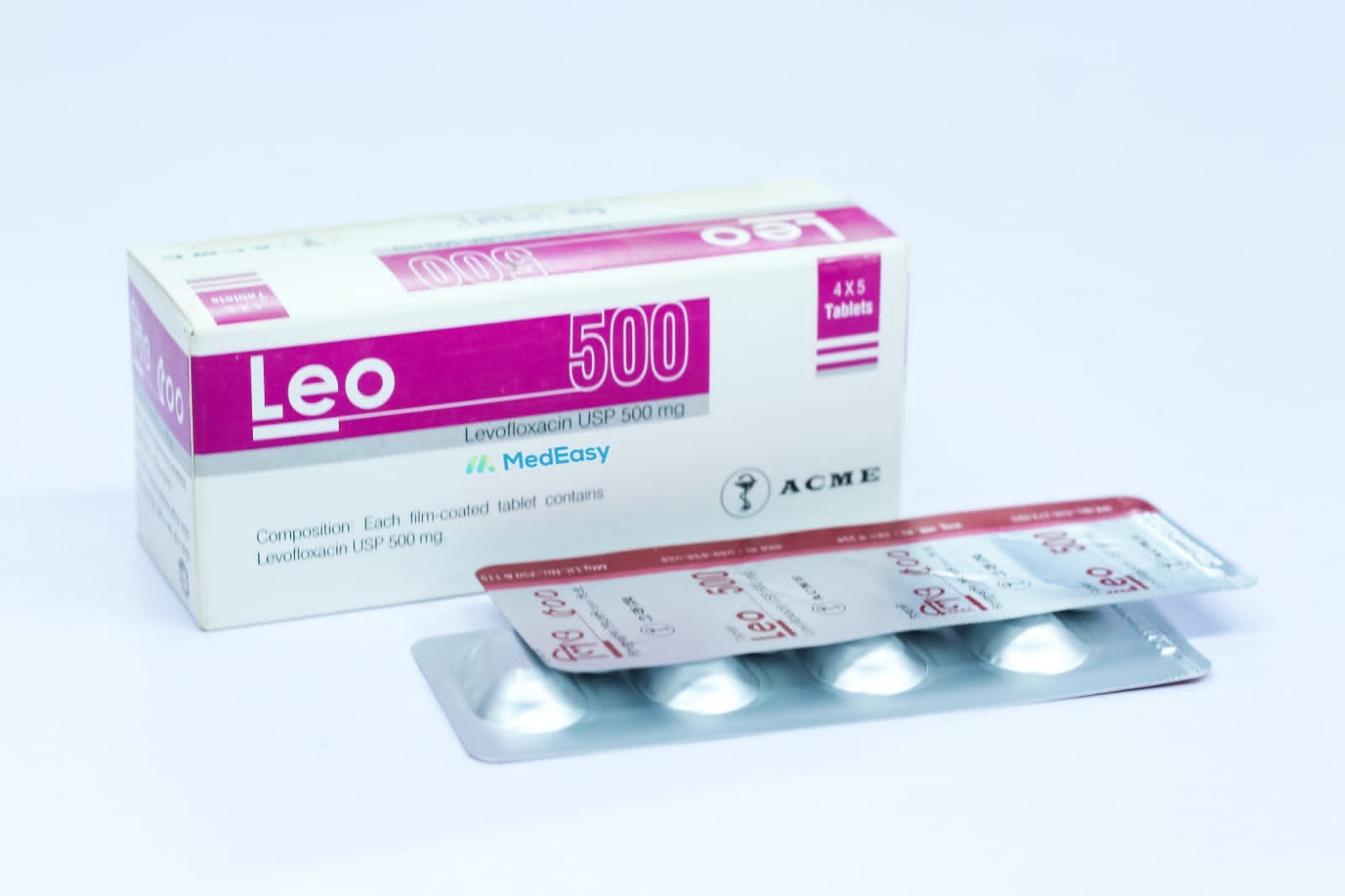
Generic medicine

Levofloxacin Hemihydrate: Brands, Price & Uses in Bangladesh

Levofloxacin Hemihydrate is a fluoroquinolone antibiotic used to treat a range of bacterial infections caused by susceptible organisms.

Forms:Tablet

About Levofloxacin Hemihydrate

Indications of Levofloxacin Hemihydrate

Levofloxacin Hemihydrate is a fluoroquinolone antibiotic used to treat a range of bacterial infections caused by susceptible organisms. Its use is classified below by strength of evidence.

Established/approved uses

  • Community-acquired pneumonia
  • Nosocomial (hospital-acquired) pneumonia
  • Acute bacterial exacerbation of chronic bronchitis
  • Acute bacterial sinusitis
  • Uncomplicated and complicated urinary tract infections
  • Acute pyelonephritis
  • Chronic bacterial prostatitis
  • Uncomplicated and complicated skin and skin structure infections

Special/adjunct approved uses

  • Post-exposure prophylaxis and treatment of inhalational anthrax (adults and children), used together with appropriate supportive care
  • Treatment and prophylaxis of plague, including pneumonic and septicemic plague

Guideline-supported/off-label use

  • As part of combination regimens for drug-resistant tuberculosis, under specialist supervision
  • Typhoid fever in regions with susceptible organisms, as an alternative agent

Levofloxacin Hemihydrate should only be used for infections that are proven or strongly suspected to be caused by susceptible bacteria, in line with antibiotic stewardship principles.

Dosage & Administration of Levofloxacin Hemihydrate

Levofloxacin Hemihydrate may be given orally or by slow intravenous infusion, depending on the product and clinical situation. Take Levofloxacin Hemihydrate exactly as prescribed by your physician; do not stop, extend, skip doses, or share this medicine with others without medical advice, as inappropriate use of antibiotics can promote resistance and treatment failure.

IndicationUsual adult dosage regimen
Community-acquired pneumonia500 mg once daily for 7-14 days, or 750 mg once daily for 5 days
Nosocomial pneumonia750 mg once daily for 7-14 days
Acute bacterial exacerbation of chronic bronchitis500 mg once daily for 7 days
Acute bacterial sinusitis500 mg once daily for 10-14 days, or 750 mg once daily for 5 days
Uncomplicated urinary tract infection250 mg once daily for 3 days
Complicated urinary tract infection / acute pyelonephritis250 mg once daily for 10 days, or 750 mg once daily for 5 days
Chronic bacterial prostatitis500 mg once daily for 28 days
Uncomplicated skin and skin structure infection500 mg once daily for 7-10 days
Complicated skin and skin structure infection750 mg once daily for 7-14 days
Inhalational anthrax (post-exposure), plague500 mg once daily for 10-60 days, as directed by the treating physician

Renal impairment

Dose and/or dosing interval of Levofloxacin Hemihydrate must be adjusted according to creatinine clearance; see Use in Special Populations for details.

Administration instructions

  • May be taken with or without food; swallow tablets whole with a full glass of water.
  • Maintain adequate hydration during treatment.
  • Separate oral dosing of Levofloxacin Hemihydrate from antacids, sucralfate, and products containing iron, zinc, calcium, or magnesium by at least 2 hours before or after, as these markedly reduce absorption.
  • Intravenous Levofloxacin Hemihydrate must be infused slowly (over 60-90 minutes depending on dose) and never given by rapid or bolus injection.
  • Complete the full prescribed course even if symptoms improve earlier.

Side Effects of Levofloxacin Hemihydrate

Common side effects of Levofloxacin Hemihydrate include nausea, diarrhea, headache, dizziness, insomnia, and constipation.

Less common but clinically important adverse effects include:

  • Tendinitis and tendon rupture (see Precautions and Warnings)
  • Peripheral neuropathy, which may be irreversible
  • Central nervous system effects: seizures, confusion, tremors, hallucinations, and rarely suicidal thoughts
  • QT interval prolongation and, rarely, serious arrhythmias
  • Hypersensitivity reactions, including rash, pruritus, and rare anaphylaxis
  • Photosensitivity/phototoxicity reactions
  • Clostridioides difficile-associated diarrhea, ranging from mild to severe colitis
  • Blood glucose disturbances, particularly in diabetic patients
  • Elevated liver enzymes and, rarely, hepatotoxicity

Patients should seek prompt medical attention if they experience tendon pain/swelling, numbness or tingling, severe diarrhea, unusual mood changes, or signs of an allergic reaction while taking Levofloxacin Hemihydrate.

Contraindications of Levofloxacin Hemihydrate

Levofloxacin Hemihydrate is contraindicated in:

  • Patients with known hypersensitivity to Levofloxacin Hemihydrate, levofloxacin, or any other fluoroquinolone antibiotic.
  • Patients with a history of tendon disorders (tendinitis or tendon rupture) associated with fluoroquinolone use.
  • Patients with myasthenia gravis, as Levofloxacin Hemihydrate can exacerbate muscle weakness, including respiratory muscle weakness.

Frequently Asked Questions about Levofloxacin Hemihydrate

What is Levofloxacin Hemihydrate used for?

Levofloxacin Hemihydrate is an antibiotic used to treat bacterial infections of the lungs (pneumonia, bronchitis), sinuses, urinary tract, prostate, and skin, among others. It only works against bacterial infections, not viral ones like the common cold or flu.

Can I stop taking Levofloxacin Hemihydrate once I feel better?

No. You should complete the full course of Levofloxacin Hemihydrate exactly as prescribed by your physician, even if your symptoms improve earlier. Stopping early can allow the infection to return and contribute to antibiotic resistance.

Is Levofloxacin Hemihydrate safe during pregnancy?

Levofloxacin Hemihydrate should be used in pregnancy only if clearly needed and the potential benefit outweighs the potential risk to the fetus, since fluoroquinolones can affect developing joints and cartilage in animal studies. Always consult your physician before using Levofloxacin Hemihydrate if you are pregnant or planning pregnancy.

What side effects should I watch for with Levofloxacin Hemihydrate?

Common side effects of Levofloxacin Hemihydrate include nausea, diarrhea, headache, and dizziness. Seek immediate medical attention if you experience tendon pain or swelling, numbness/tingling, severe diarrhea, irregular heartbeat, or signs of an allergic reaction.

Can children take Levofloxacin Hemihydrate?

Levofloxacin Hemihydrate is generally not recommended for children under 18 due to a risk of joint/cartilage problems, except for specific approved uses such as anthrax post-exposure prophylaxis or plague, where a physician may prescribe weight-based dosing.

What should I avoid while taking Levofloxacin Hemihydrate?

Avoid taking antacids, calcium, iron, zinc, or magnesium supplements within 2 hours of Levofloxacin Hemihydrate, as they reduce its absorption. Also avoid excessive sun/UV exposure and strenuous exercise that stresses tendons, and do not take Levofloxacin Hemihydrate with other drugs that prolong the QT interval without medical advice.

Disclaimer

The information provided is accurate to the best of our knowledge, but it does not replace professional medical advice. We cannot guarantee its completeness or accuracy, and the absence of specific information about a drug should not be taken as an endorsement. We are not responsible for any consequences arising from this information, so please consult a healthcare professional for any concerns or questions.

DoctorBlogArticles