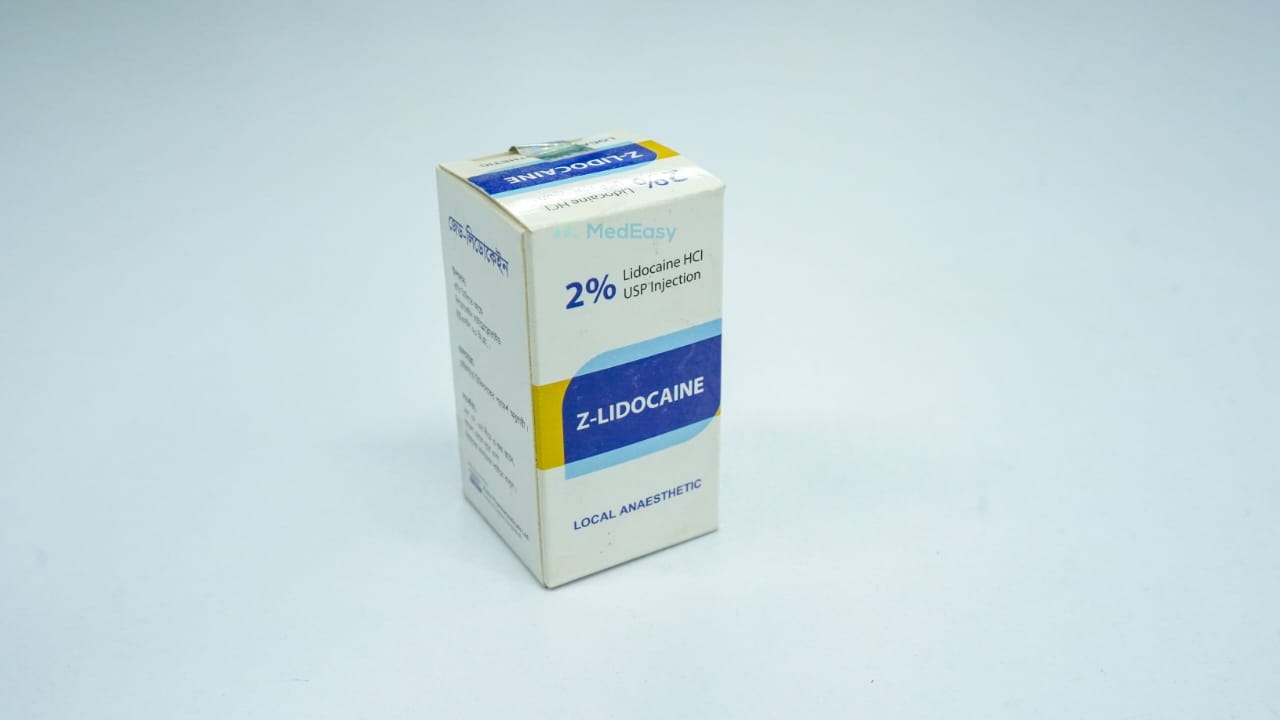
Generic medicine

Lidocaine Hydrochloride: Brands, Price & Uses in Bangladesh

Lidocaine Hydrochloride is an amide-type local anesthetic agent with the following approved and evidence-supported uses: Established / FDA-approved uses Local infiltration anesthesia for minor…

Forms:GelSprayInjection

About Lidocaine Hydrochloride

Indications of Lidocaine Hydrochloride

Lidocaine Hydrochloride is an amide-type local anesthetic agent with the following approved and evidence-supported uses:

Established / FDA-approved uses

  • Local infiltration anesthesia for minor surgical and dental procedures.
  • Peripheral nerve blocks (e.g. brachial plexus, intercostal, pudendal blocks) for regional anesthesia.
  • Sympathetic nerve blocks.
  • Epidural and caudal anesthesia for surgical and obstetric procedures.
  • Retrobulbar and other regional ophthalmic blocks (by trained specialists).
  • Topical/surface anesthesia of accessible mucous membranes and skin (e.g. before minor procedures, to relieve pain from minor skin conditions or mucosal irritation), using appropriate topical formulations.
  • Intravenous Lidocaine Hydrochloride is indicated for the acute management of life-threatening ventricular arrhythmias, such as those occurring during acute myocardial infarction, cardiac surgery, or cardiac catheterization.

Guideline-supported / adjunct use

  • Use as part of Advanced Cardiac Life Support (ACLS) protocols as an alternative antiarrhythmic for shock-refractory ventricular fibrillation/pulseless ventricular tachycardia when amiodarone is unavailable or ineffective.

The specific formulation, strength, and route of Lidocaine Hydrochloride used depend on the indication and must be selected by a qualified physician or dentist.

Dosage & Administration of Lidocaine Hydrochloride

The dose and route of Lidocaine Hydrochloride must be individualized by a qualified physician or dentist based on the procedure, site of administration, patient's age, weight, and physical status. The lowest effective dose should always be used.

Local infiltration / peripheral nerve block anesthesia (Adults)

UseTypical concentrationMaximum dose
Local infiltration0.5%–1%Up to 4.5 mg/kg (max ~300 mg) without epinephrine; up to 7 mg/kg (max ~500 mg) with epinephrine, per administration
Peripheral nerve block1%–1.5%As above, per site-specific protocol
Epidural/caudal anesthesia1%–2%Determined by anesthesiologist based on level of block required

Topical/surface anesthesia (Adults)

Applied as gel, ointment, spray, or viscous solution to the affected mucous membrane or skin area, in the minimum amount needed, generally not more often than every 3 hours and not exceeding the maximum recommended dose stated on the product label.

Intravenous use for acute ventricular arrhythmias (Adults)

StepDose
Loading dose1–1.5 mg/kg IV bolus; may repeat 0.5–0.75 mg/kg every 5–10 minutes as needed, up to a total of 3 mg/kg
Maintenance infusion1–4 mg/minute by continuous IV infusion, titrated to arrhythmia response and adjusted for hepatic impairment or heart failure

Pediatric dosing

Doses must be reduced according to age, weight, and physical condition, and should not exceed the calculated maximum safe dose (mg/kg) for local anesthesia. For IV antiarrhythmic use in pediatric emergency care (e.g. per ACLS/PALS protocols), an initial bolus of approximately 1 mg/kg IV may be used under direct physician supervision.

Renal/hepatic impairment

No dose adjustment is generally required for local anesthetic use in mild-to-moderate renal impairment. For intravenous antiarrhythmic use, dose reduction and close monitoring are required in patients with hepatic impairment or reduced hepatic blood flow (e.g. heart failure, shock), since Lidocaine Hydrochloride is cleared primarily by the liver.

Side Effects of Lidocaine Hydrochloride

Side effects of Lidocaine Hydrochloride depend on the dose, route of administration, and whether absorption is local or systemic.

Local reactions

  • Pain, burning, or stinging at the injection/application site.
  • Localized edema or, rarely, true allergic contact reaction.

Systemic reactions (more likely with high dose, intravenous use, or inadvertent intravascular injection)

  • Central nervous system: Lightheadedness, dizziness, perioral/tongue numbness, tinnitus, blurred vision, tremors, drowsiness, confusion, and, at high levels, seizures.
  • Cardiovascular: Hypotension, bradycardia, arrhythmias, myocardial depression, and, at toxic levels, cardiovascular collapse or cardiac arrest.
  • Rare: Methemoglobinemia (more common in infants and with high or repeated topical doses), true allergic/anaphylactic reactions.

These systemic effects represent local anesthetic systemic toxicity (LAST) and require immediate medical attention (see Overdose Effects).

Contraindications of Lidocaine Hydrochloride

Lidocaine Hydrochloride is contraindicated in:

  • Patients with known hypersensitivity to Lidocaine Hydrochloride or to other amide-type local anesthetics.
  • For intravenous antiarrhythmic use: patients with Adams-Stokes syndrome or severe sinoatrial, atrioventricular, or intraventricular heart block in the absence of an artificial pacemaker.
  • For intravenous antiarrhythmic use in patients with Wolff-Parkinson-White (WPW) syndrome, unless administered under specialist cardiac supervision, as it may be inappropriate depending on the arrhythmia mechanism.

Frequently Asked Questions about Lidocaine Hydrochloride

What is Lidocaine Hydrochloride used for?

Lidocaine Hydrochloride is a local anesthetic used to numb a specific area of the body for surgical, dental, or diagnostic procedures. Its intravenous form is also used in hospitals to treat certain acute, life-threatening ventricular heart rhythm problems.

Is Lidocaine Hydrochloride safe during pregnancy?

Lidocaine Hydrochloride should be used during pregnancy only if clearly needed and if the potential benefit justifies the potential risk to the fetus. It crosses the placenta, so it should only be given by a qualified professional using the lowest effective dose. Always consult your physician before use during pregnancy.

Can Lidocaine Hydrochloride be used while breastfeeding?

Lidocaine Hydrochloride passes into breast milk in small amounts and is generally considered acceptable during breastfeeding at recommended doses, but you should consult your physician, especially if repeated or high doses are needed.

What are the serious side effects to watch for after receiving Lidocaine Hydrochloride?

Seek immediate medical attention if you experience numbness around the mouth, ringing in the ears, dizziness, blurred vision, tremors, confusion, seizures, irregular heartbeat, or difficulty breathing after receiving Lidocaine Hydrochloride, as these can be signs of systemic toxicity, which is a medical emergency.

Who should not receive Lidocaine Hydrochloride?

Lidocaine Hydrochloride should not be given to anyone with a known allergy to it or to other amide-type local anesthetics. For the intravenous form used for heart rhythm problems, it should not be used in patients with certain severe heart block conditions unless they have a pacemaker, and requires specialist caution in Wolff-Parkinson-White syndrome.

Can Lidocaine Hydrochloride be used in children?

Yes, Lidocaine Hydrochloride can be used in children for local anesthesia and, in emergencies, for heart rhythm problems, but only with carefully weight-adjusted doses under medical supervision. It should not be used as a viscous oral solution for teething pain in infants and young children because of the risk of serious harm.

Disclaimer

The information provided is accurate to the best of our knowledge, but it does not replace professional medical advice. We cannot guarantee its completeness or accuracy, and the absence of specific information about a drug should not be taken as an endorsement. We are not responsible for any consequences arising from this information, so please consult a healthcare professional for any concerns or questions.

DoctorBlogArticles