Generic medicine

Linezolid: Brands, Price & Uses in Bangladesh

Linezolid is an oxazolidinone antibiotic reserved for the treatment of serious infections caused by susceptible gram-positive bacteria and more.

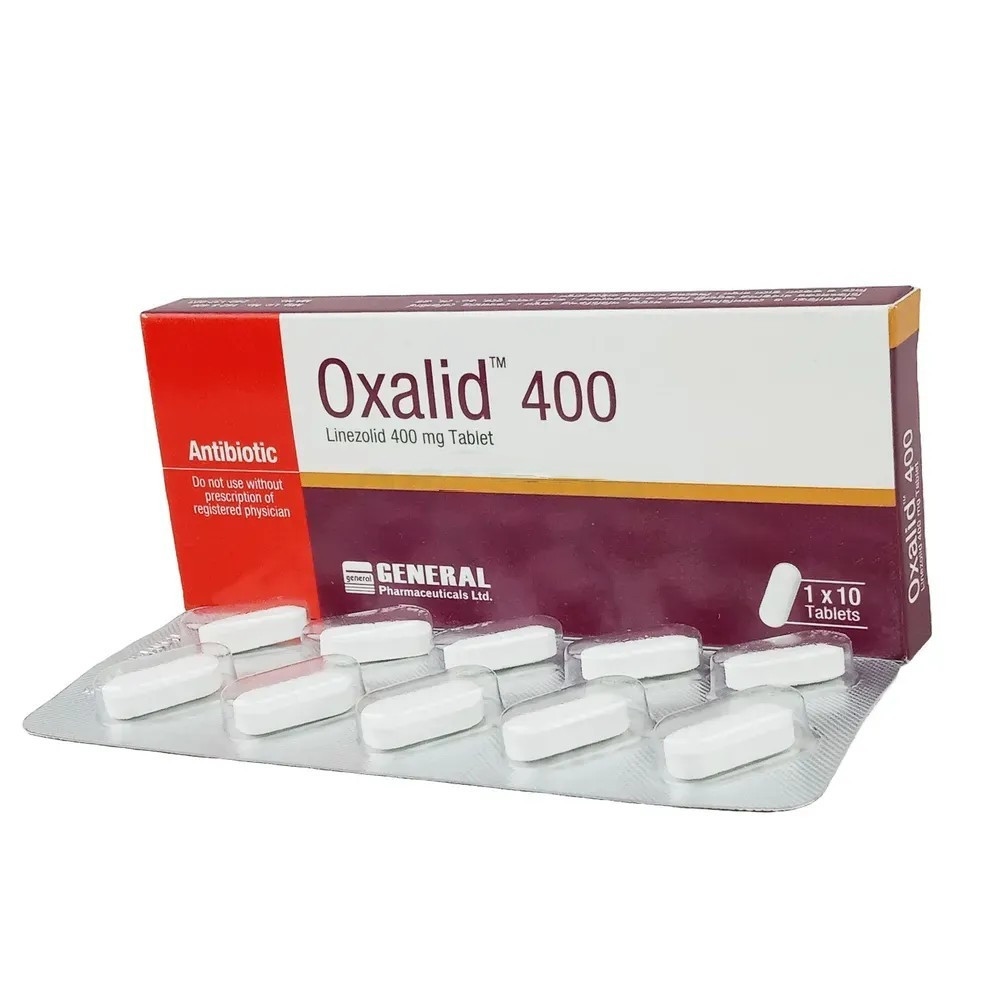
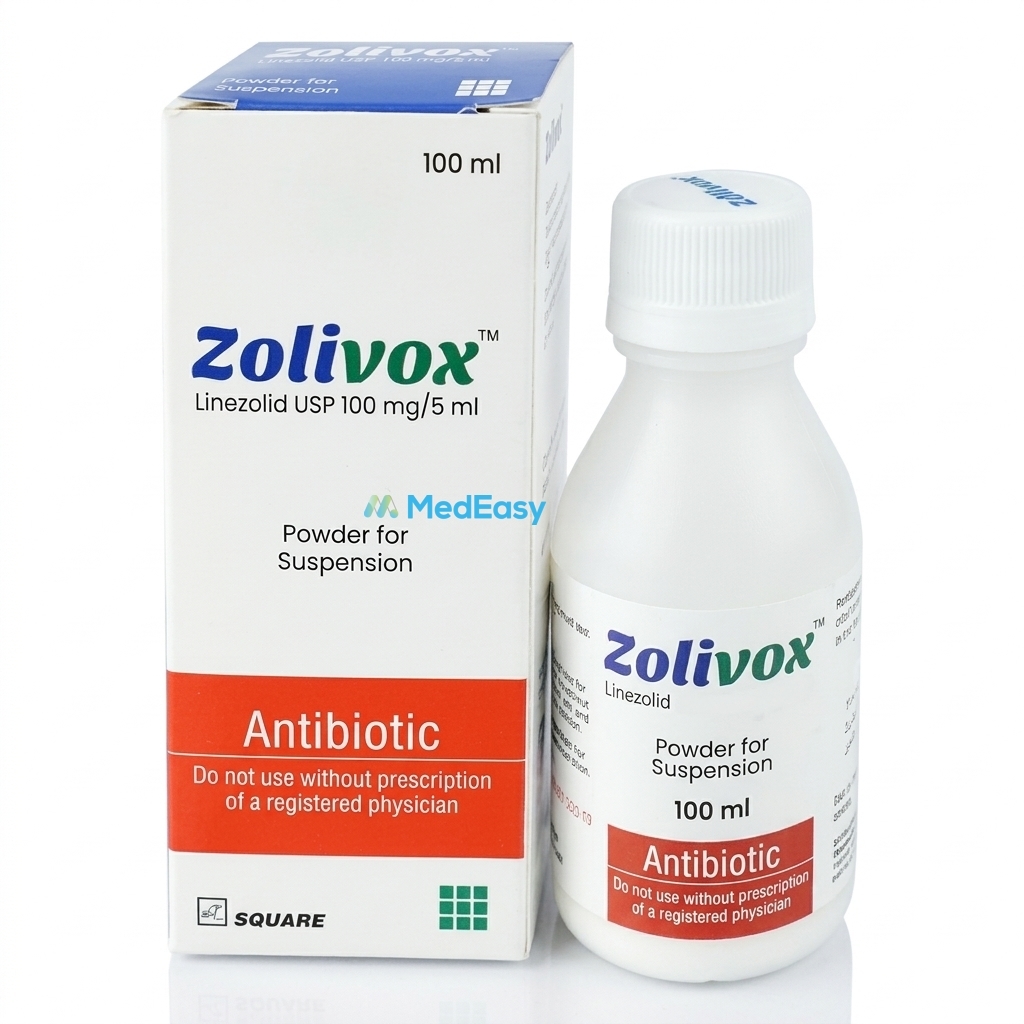
Forms:TabletPowder for Suspension

About Linezolid

Indications of Linezolid

Linezolid is an oxazolidinone antibiotic reserved for the treatment of serious infections caused by susceptible gram-positive bacteria, including resistant organisms such as methicillin-resistant Staphylococcus aureus (MRSA) and vancomycin-resistant Enterococcus faecium (VRE). Linezolid is not indicated for gram-negative infections.

FDA-approved / Established indications

  • Nosocomial (hospital-acquired) pneumonia caused by Staphylococcus aureus (methicillin-susceptible and resistant strains) or Streptococcus pneumoniae
  • Community-acquired pneumonia caused by susceptible strains of Streptococcus pneumoniae or Staphylococcus aureus
  • Complicated skin and skin structure infections
  • Uncomplicated skin and skin structure infections
  • Vancomycin-resistant Enterococcus faecium (VRE) infections, including cases with concurrent bacteraemia

Off-label / reserve use

Linezolid is also used off-label, generally as part of combination regimens under specialist supervision, for multidrug-resistant tuberculosis and certain difficult-to-treat bone/joint or central nervous system gram-positive infections. Because of the risk of resistance development and serious toxicity, Linezolid should be reserved for infections proven or strongly suspected to be caused by susceptible gram-positive organisms, ideally guided by culture and sensitivity results.

Dosage & Administration of Linezolid

Linezolid may be given orally (tablet or suspension) or by intravenous infusion; both routes achieve comparable drug exposure, allowing a switch from IV to oral therapy when clinically appropriate, without dose adjustment.

IndicationAdult / Adolescent (≥12 years) DoseTypical Duration
Nosocomial or community-acquired pneumonia600 mg every 12 hours (oral or IV)10-14 days
Complicated skin/skin structure infections600 mg every 12 hours (oral or IV)10-14 days
Uncomplicated skin/skin structure infections400-600 mg every 12 hours (oral)10-14 days
Vancomycin-resistant Enterococcus faecium infections600 mg every 12 hours (oral or IV)14-28 days

Pediatric dose

Full-term neonates (≥7 days) through 11 years: 10 mg/kg every 8 hours. Preterm neonates less than 7 days old: 10 mg/kg every 12 hours initially, increasing to every 8 hours by 7 days of age based on clinical response. Duration follows the same per-indication ranges as adults.

Administration notes

  • Intravenous infusion should be given over 30-120 minutes; do not mix with other medicines in the same infusion line unless compatibility is confirmed.
  • Oral tablets may be taken with or without food; the oral suspension should be gently mixed (not shaken vigorously) before measuring the dose.

Important: Take Linezolid exactly as prescribed by your physician; do not stop, extend, skip doses, or share this medicine with others without medical advice, even if symptoms improve before the course is finished.

Side Effects of Linezolid

Common side effects

  • Diarrhoea
  • Headache
  • Nausea and vomiting
  • Oral or vaginal candidiasis (thrush)
  • Taste alteration / tongue discolouration
  • Insomnia

Serious side effects (seek prompt medical attention)

  • Myelosuppression: unusual bleeding/bruising, pale skin, fatigue, or signs of infection (see Precautions and Warnings)
  • Peripheral or optic neuropathy: numbness/tingling in the hands or feet, blurred vision, or changes in colour vision, particularly with treatment beyond 28 days
  • Lactic acidosis: recurrent nausea, vomiting, unexplained rapid breathing, or low bicarbonate levels
  • Serotonin syndrome (with interacting drugs): agitation, tremor, sweating, fast heart rate, high fever
  • Severe diarrhoea associated with Clostridioides difficile infection
  • Signs of a severe allergic reaction: rash, swelling of the face/throat, difficulty breathing

Contraindications of Linezolid

  • Known hypersensitivity to Linezolid or any component of the formulation
  • Concurrent use, or use within the preceding two weeks, of monoamine oxidase inhibitors (MAOIs)

Additional situations requiring extreme caution rather than absolute avoidance (such as concurrent serotonergic drugs, uncontrolled hypertension, or use of sympathomimetic/vasopressor agents) are discussed under Drug Interactions and Precautions and Warnings.

Frequently Asked Questions about Linezolid

What is Linezolid used for?

Linezolid is an antibiotic used to treat serious infections caused by susceptible gram-positive bacteria, including resistant organisms such as MRSA and vancomycin-resistant Enterococcus faecium (VRE). It is used for certain types of pneumonia, skin and skin structure infections, and VRE infections. Linezolid is not effective against gram-negative bacteria.

Can I take Linezolid with antidepressants?

Combining Linezolid with serotonergic antidepressants (such as SSRIs, SNRIs, or tricyclic antidepressants) can cause a serious condition called serotonin syndrome, because Linezolid has weak monoamine oxidase-inhibiting activity. Tell your doctor about all medicines you take, including antidepressants, before starting Linezolid, and seek urgent medical care if you develop agitation, tremor, fast heartbeat, sweating, or high fever while on Linezolid.

Are there any foods I should avoid while taking Linezolid?

Yes. Because Linezolid has monoamine oxidase-inhibiting activity, eating large amounts of tyramine-rich foods (such as aged cheeses, cured or fermented meats, tap beers, and soy sauce) while taking Linezolid can raise the risk of a sudden, dangerous increase in blood pressure. It is best to limit these foods during Linezolid treatment.

How long can I safely take Linezolid?

Linezolid is generally prescribed for 10 to 28 days depending on the infection being treated. Treatment beyond 28 days increases the risk of nerve damage (peripheral or optic neuropathy) and bone marrow suppression, so courses longer than this are only used under close specialist supervision. Always complete the exact course length your doctor prescribes, and do not stop early even if you feel better.

Does Linezolid require blood test monitoring?

Yes, particularly if treatment lasts longer than 14 days, or if you have risk factors such as pre-existing low blood counts. Your doctor will typically check a complete blood count weekly during Linezolid treatment to monitor for a side effect called myelosuppression, which can lower platelets, red blood cells, or white blood cells.

Is Linezolid safe during pregnancy or breastfeeding?

Linezolid should be used in pregnancy only if clearly needed, since available data have not fully ruled out risk to the foetus, and animal studies at high doses have shown some adverse effects. Linezolid also passes into breast milk, and breastfed infants should be monitored for diarrhoea or vomiting if the mother continues Linezolid during breastfeeding. Always consult your physician before using Linezolid while pregnant or breastfeeding.

Disclaimer

The information provided is accurate to the best of our knowledge, but it does not replace professional medical advice. We cannot guarantee its completeness or accuracy, and the absence of specific information about a drug should not be taken as an endorsement. We are not responsible for any consequences arising from this information, so please consult a healthcare professional for any concerns or questions.
DoctorBlogArticles
