Generic medicine

Lomefloxacin: Brands, Price & Uses in Bangladesh

Lomefloxacin is a synthetic broad-spectrum fluoroquinolone antibiotic.

Forms:Eye/Ear Drop

About Lomefloxacin

Indications of Lomefloxacin

Lomefloxacin is a synthetic broad-spectrum fluoroquinolone antibiotic. Its uses can be classified by strength of evidence as follows:

Established / historically FDA-approved uses (oral, systemic)

  • Acute bacterial exacerbation of chronic bronchitis caused by susceptible strains of organisms such as Haemophilus influenzae, Moraxella catarrhalis, or Streptococcus pneumoniae.
  • Uncomplicated urinary tract infection (cystitis) caused by susceptible organisms including Escherichia coli, Klebsiella pneumoniae, and other Gram-negative uropathogens.
  • Complicated urinary tract infection and acute pyelonephritis caused by susceptible organisms.
  • Pre-operative prophylaxis to reduce the incidence of postoperative infection in patients undergoing transurethral surgical procedures.
  • Uncomplicated urethral and cervical gonorrhea caused by susceptible Neisseria gonorrhoeae — this is a narrower, non-first-line indication historically used only where preferred first-line regimens were unsuitable, and is not consistent with most current gonorrhea treatment guidelines.

Ophthalmic use

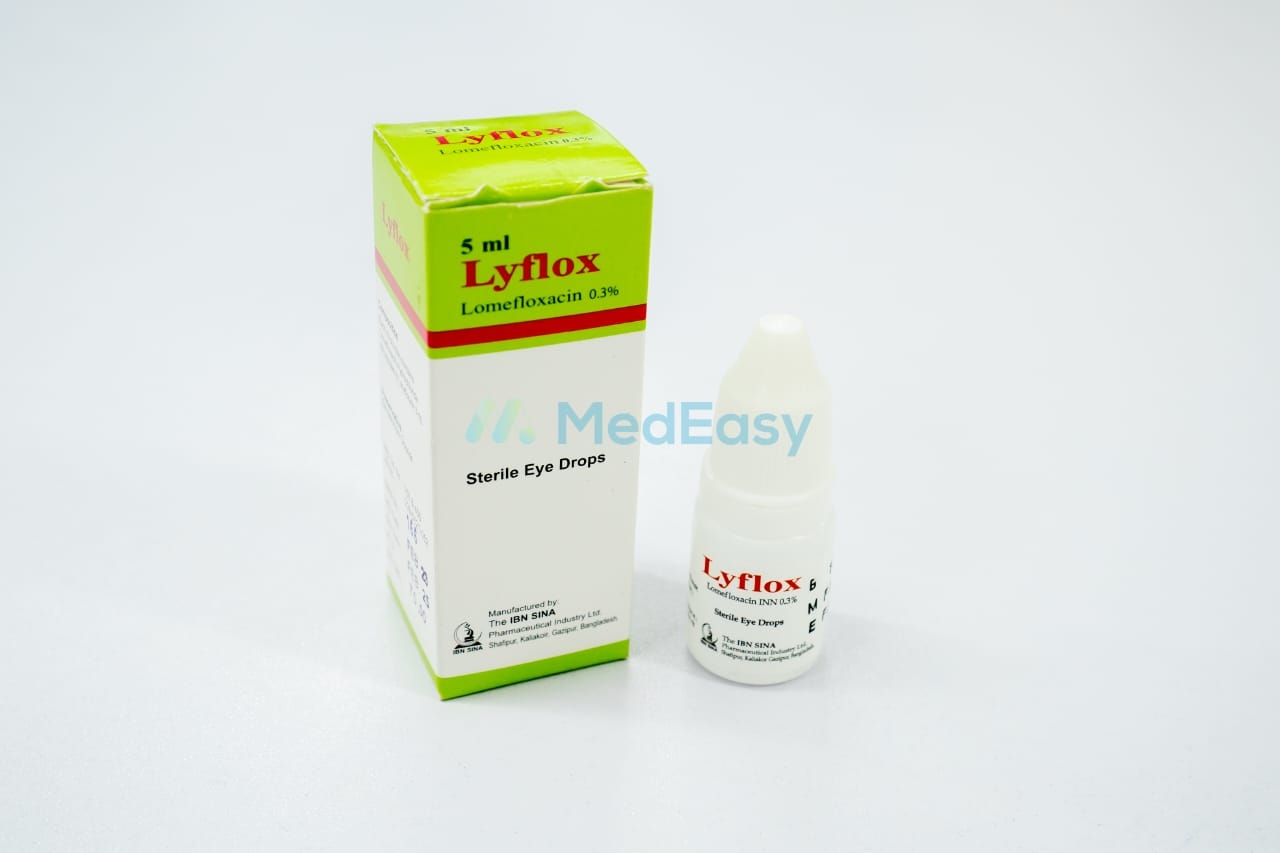
Where an ophthalmic (eye drop) formulation of Lomefloxacin is available, it is indicated for topical treatment of bacterial conjunctivitis caused by susceptible organisms.

Important note on current use

Because of its comparatively pronounced photosensitivity risk and the availability of other fluoroquinolones with better-characterized safety profiles, Lomefloxacin is not commonly used today and is not listed as an actively marketed product in several major drug databases, including in Bangladesh. Lomefloxacin should be prescribed only when a physician has confirmed local product availability and determined that it is an appropriate, susceptibility-guided choice — as with all fluoroquinolones, reserved for infections where more narrow-spectrum agents are not suitable, in line with antibiotic stewardship principles.

Dosage & Administration of Lomefloxacin

Important: Take Lomefloxacin exactly as prescribed by your physician; do not stop, extend, skip doses, or share this medicine with others without medical advice, even if symptoms improve before the course is finished.

Adult oral dosing by indication

IndicationUsual adult doseUsual duration
Uncomplicated urinary tract infection (cystitis)400 mg orally once daily3 days
Complicated urinary tract infection / acute pyelonephritis400 mg orally once dailyUp to 14 days, per physician assessment
Acute bacterial exacerbation of chronic bronchitis400 mg orally once dailyUp to 10 days
Pre-operative prophylaxis (transurethral procedures)400 mg orally as a single doseSingle dose, 2–6 hours before the procedure
Uncomplicated gonorrhea (where used)400 mg orally as a single doseSingle dose

Renal impairment

Because Lomefloxacin is eliminated mainly by the kidneys, dose adjustment is required in patients with reduced renal function (e.g. creatinine clearance below approximately 40 mL/min), typically by giving a normal loading dose followed by a reduced maintenance dose or extended dosing interval, as directed by the physician.

Hepatic impairment

No specific dose adjustment is well established for hepatic impairment alone, but caution and physician judgment are advised.

Ophthalmic use (where marketed)

Typically one to two drops instilled into the affected eye(s) as directed by the physician; the exact frequency and duration should follow the specific product label.

Side Effects of Lomefloxacin

Common side effects of Lomefloxacin may include:

  • Nausea, vomiting, diarrhea, abdominal discomfort
  • Headache, dizziness, insomnia
  • Photosensitivity/phototoxic skin reactions (notably more frequent and can be more severe with Lomefloxacin than with several other fluoroquinolones — see Precautions and Warnings)
  • Rash or pruritus

Serious side effects (fluoroquinolone class effects, applicable to systemic/oral use) that require prompt medical attention include:

  • Tendinitis and tendon rupture
  • Peripheral neuropathy (numbness, tingling, weakness, which may be irreversible)
  • Central nervous system effects — seizures, confusion, hallucinations, increased intracranial pressure, tremors
  • Exacerbation of myasthenia gravis symptoms, including muscle weakness affecting breathing
  • QT interval prolongation and, rarely, serious ventricular arrhythmia
  • Severe hypersensitivity reactions, including anaphylaxis and severe skin reactions (e.g. Stevens–Johnson syndrome)
  • Clostridioides difficile-associated diarrhea/colitis
  • Blood glucose disturbances (hyper- or hypoglycemia)
  • Aortic aneurysm and dissection (rare, mainly in predisposed patients)

For the ophthalmic form, adverse effects are generally limited to local eye irritation, burning, or discomfort, with much lower risk of the systemic effects listed above.

Contraindications of Lomefloxacin

Lomefloxacin is contraindicated in:

  • Patients with known hypersensitivity to Lomefloxacin, to any other quinolone/fluoroquinolone antibiotic, or to any component of the formulation.
  • Patients with a history of tendinitis or tendon rupture associated with fluoroquinolone-class antibiotic use.

Frequently Asked Questions about Lomefloxacin

What is Lomefloxacin used for?

Lomefloxacin is a fluoroquinolone antibiotic historically used to treat certain bacterial infections, including urinary tract infections, acute exacerbations of chronic bronchitis, and (as an eye drop, where available) bacterial conjunctivitis. It should only be used for infections confirmed or strongly suspected to be caused by bacteria susceptible to Lomefloxacin, as determined by a physician.

How should I take Lomefloxacin?

Take Lomefloxacin exactly as prescribed by your physician, at the same time each day, with a full glass of water, and complete the entire course even if you feel better before finishing — do not stop, extend, skip doses, or share this medicine with others without medical advice. Avoid taking it together with antacids, calcium, iron, or zinc products within a few hours of your dose, as these reduce its absorption.

Why do I need to avoid sunlight while taking Lomefloxacin?

Lomefloxacin carries a notably higher risk of photosensitivity (phototoxic skin) reactions compared with several other antibiotics in its class. Direct or indirect sunlight, sunlamps, and tanning beds can trigger a severe sunburn-like reaction even after brief exposure. You should strictly avoid UV light exposure during treatment and for several days after your last dose, and use protective clothing and sunscreen if you cannot avoid the sun.

What are the serious risks of taking Lomefloxacin?

Like other fluoroquinolones, Lomefloxacin can cause tendinitis or tendon rupture (especially the Achilles tendon), peripheral neuropathy that may be irreversible, central nervous system effects such as seizures or confusion, worsening of myasthenia gravis, QT interval prolongation with risk of serious heart rhythm problems, and — rarely — aortic aneurysm or dissection. Stop taking Lomefloxacin and seek medical attention immediately if you develop tendon pain or swelling, numbness or tingling, unusual mood or thinking changes, fainting, or a severe skin reaction.

Is Lomefloxacin safe during pregnancy or breastfeeding?

Lomefloxacin should be used during pregnancy only if clearly needed and if the potential benefit justifies the potential risk to the fetus, always under a physician's direct advice. Lomefloxacin passes into breast milk and is generally not recommended during breastfeeding; consult your physician, who may recommend an alternative antibiotic while nursing.

Can children take Lomefloxacin?

Lomefloxacin is generally not recommended for patients younger than 18 years because safety and efficacy have not been established in this age group, and fluoroquinolones have been linked to joint/cartilage effects in growing animals. It should be used in children only if a physician decides there is no suitable alternative and that the benefit outweighs the risk.

Disclaimer

The information provided is accurate to the best of our knowledge, but it does not replace professional medical advice. We cannot guarantee its completeness or accuracy, and the absence of specific information about a drug should not be taken as an endorsement. We are not responsible for any consequences arising from this information, so please consult a healthcare professional for any concerns or questions.

DoctorBlogArticles