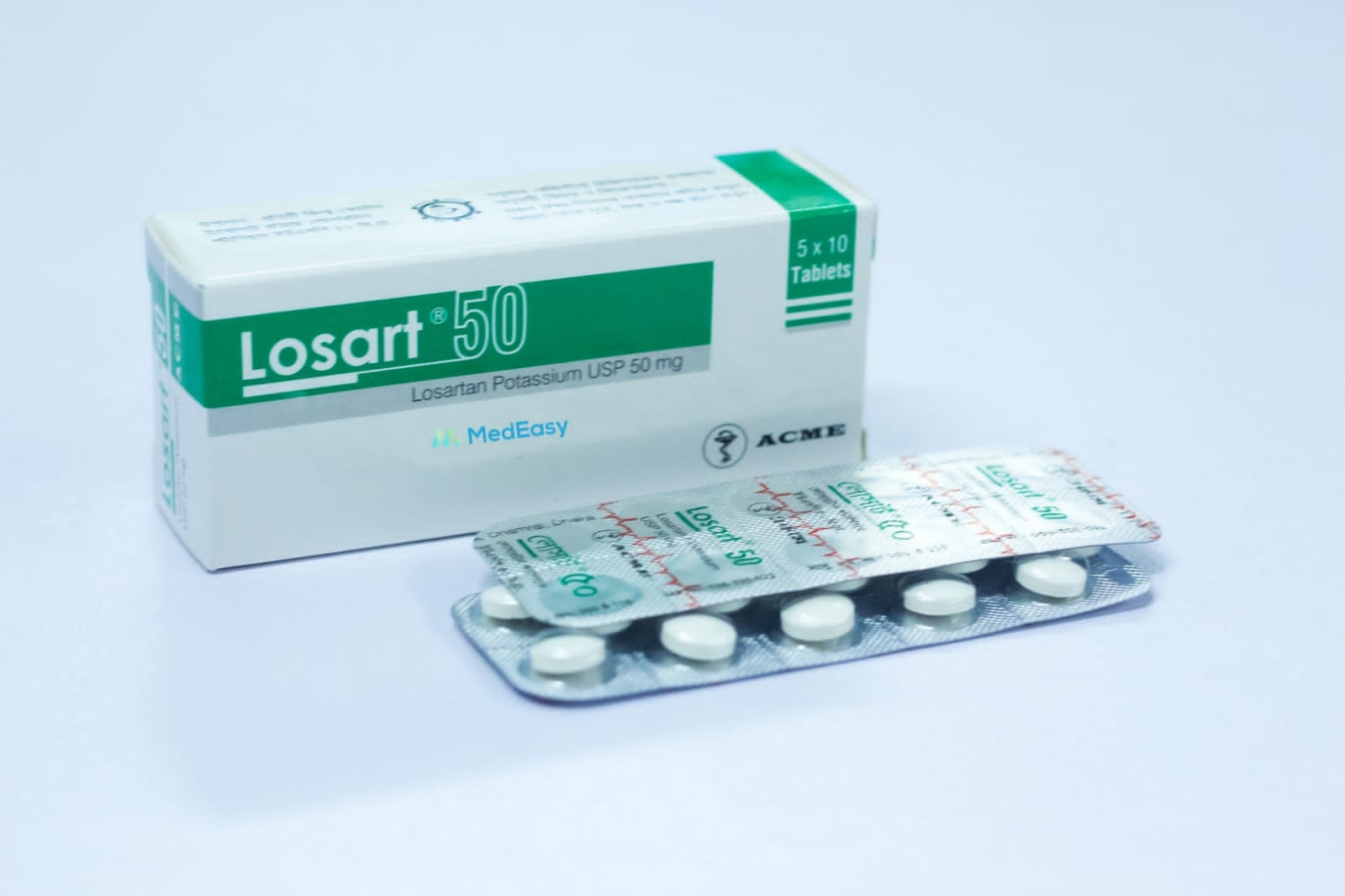
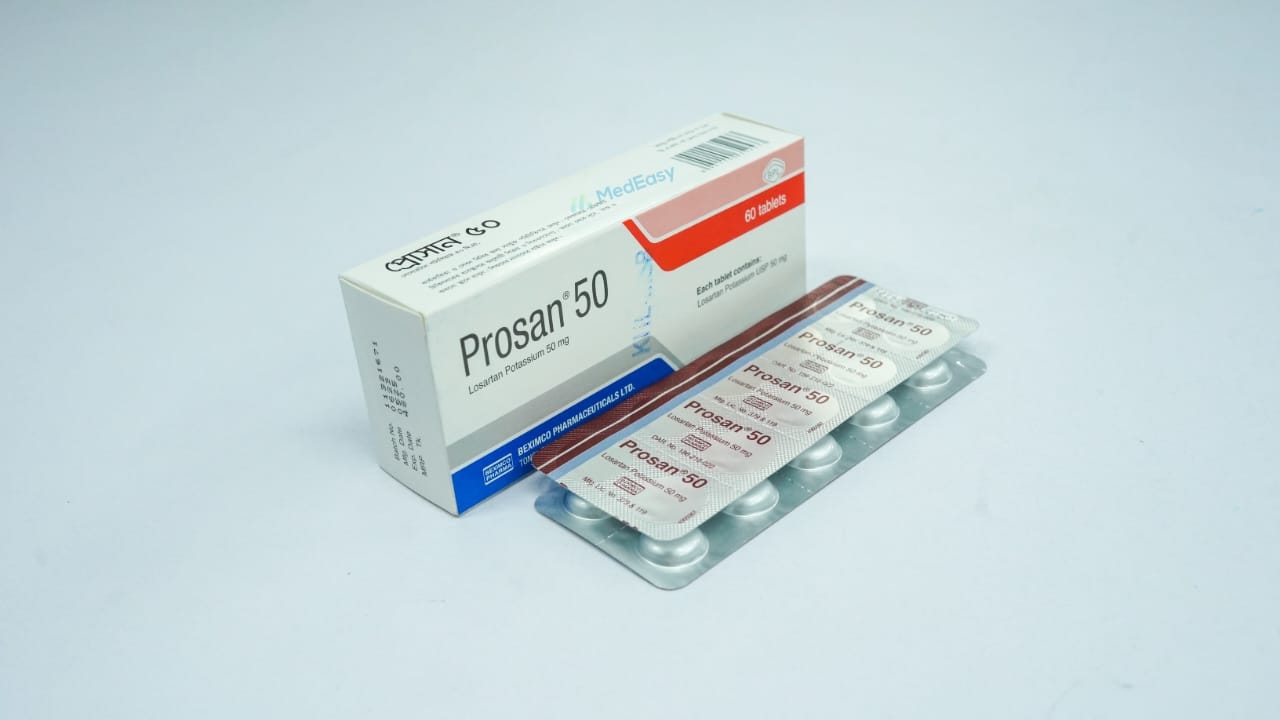
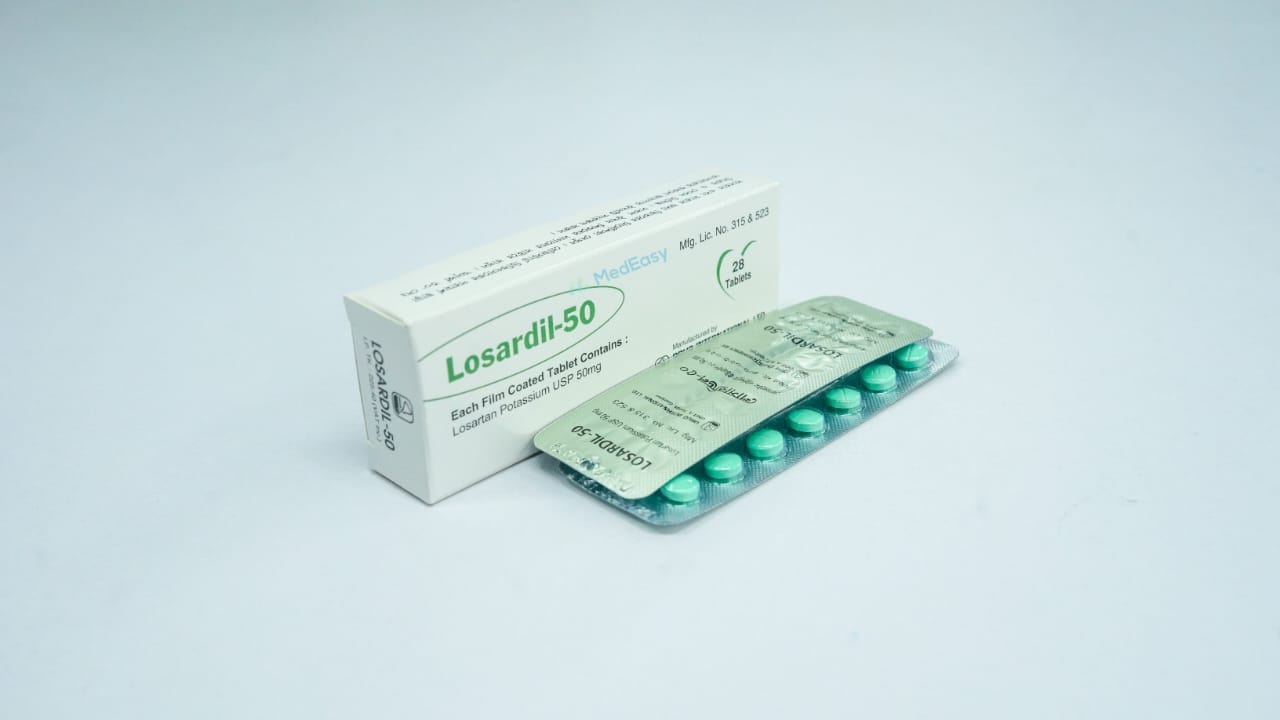
Generic medicine

Losartan Potassium: Brands, Price & Uses in Bangladesh

Hypertension Losartan Potassium is established (FDA-approved) for the treatment of hypertension, alone or in combination with other antihypertensive agents and more.

Forms:Tablet

About Losartan Potassium

Indications of Losartan Potassium

Hypertension

Losartan Potassium is established (FDA-approved) for the treatment of hypertension, alone or in combination with other antihypertensive agents, in adults and in children 6 years of age and older, to lower blood pressure.

Diabetic Nephropathy

Losartan Potassium is established for the treatment of diabetic nephropathy in patients with type 2 diabetes and hypertension, with an elevated serum creatinine and proteinuria (urinary albumin-to-creatinine ratio ≥300 mg/g), or with a history of both type 2 diabetes and hypertension. In this population, Losartan Potassium reduces the rate of progression of nephropathy, as measured by the occurrence of doubling of serum creatinine or end-stage renal disease (need for dialysis or renal transplantation).

Stroke Risk Reduction in Hypertension with Left Ventricular Hypertrophy

Losartan Potassium is established for reducing the risk of stroke in patients with hypertension and electrocardiographically documented left ventricular hypertrophy (LVH). Of note, this benefit was not seen in Black patients in the pivotal trial, so alternative agents may be preferred for stroke-risk reduction in this population; Losartan Potassium still lowers blood pressure effectively in Black patients.

Dosage & Administration of Losartan Potassium

Dosing of Losartan Potassium depends on the indication being treated, volume status, and hepatic function, and should always be individualized by a healthcare professional. Losartan Potassium may be taken with or without food and can be combined with other antihypertensive agents, including a diuretic, for additional blood pressure lowering.

Side Effects of Losartan Potassium

Common Side Effects

  • Dizziness
  • Upper respiratory tract infection symptoms and nasal congestion
  • Back pain and muscle cramps
  • Fatigue
  • Diarrhea
  • Mild to moderate increases in blood potassium (hyperkalemia)

Less Common or Serious Side Effects (Seek Medical Attention)

  • Symptomatic low blood pressure: severe dizziness, lightheadedness, or fainting, especially after the first dose or in volume-depleted patients (see Precautions and Warnings)
  • Signs of significant hyperkalemia: muscle weakness, irregular heartbeat, or tingling sensations (see Precautions and Warnings)
  • Signs of worsening kidney function: decreased urination, swelling, or unusual fatigue, particularly in patients with renal artery stenosis or pre-existing kidney disease
  • Signs of an allergic/anaphylactoid reaction or angioedema: swelling of the face, lips, tongue, or throat, and difficulty breathing or swallowing (rare, but requires immediate medical attention)
  • Signs of liver problems: yellowing of the skin or eyes, dark urine, or unusual tiredness

Contraindications of Losartan Potassium

  • Known hypersensitivity to Losartan Potassium or any component of the formulation.
  • Concomitant use with aliskiren in patients with diabetes mellitus.

Frequently Asked Questions about Losartan Potassium

What is Losartan Potassium used for?

Losartan Potassium is used to treat high blood pressure (hypertension), to slow the progression of kidney disease in people with type 2 diabetes (diabetic nephropathy), and to reduce the risk of stroke in certain patients with hypertension and an enlarged heart (left ventricular hypertrophy). It works by relaxing blood vessels, which lowers blood pressure.

How should I take Losartan Potassium?

Losartan Potassium is usually taken once a day, with or without food, at about the same time each day. It is important to keep taking Losartan Potassium as prescribed even if you feel well, since high blood pressure often has no symptoms. See Dosage and Administration for typical doses.

What are the most common side effects of Losartan Potassium?

The most common side effects of Losartan Potassium are dizziness, upper respiratory symptoms, back pain, muscle cramps, fatigue, diarrhea, and mild increases in blood potassium. Tell your doctor if any side effect is bothersome or persistent. See Side Effects for more details.

Can I take Losartan Potassium during pregnancy?

No. Losartan Potassium is contraindicated during pregnancy because it can cause serious injury or death to the developing fetus, especially in the second and third trimesters. If you become pregnant while taking Losartan Potassium, stop the medicine and contact your doctor immediately so an alternative antihypertensive can be started. See Pregnancy and Lactation for full details.

Does Losartan Potassium interact with other medicines?

Yes. Losartan Potassium can cause dangerously high potassium levels when combined with potassium supplements, potassium-sparing diuretics, or salt substitutes containing potassium. Combining it with ACE inhibitors or aliskiren increases the risk of hyperkalemia, low blood pressure, and kidney problems, and is not recommended (and is contraindicated with aliskiren in people with diabetes). NSAIDs may reduce its blood-pressure-lowering effect and increase kidney risk, and it can raise lithium levels if taken together. Always tell your doctor and pharmacist about all medicines you take. See Interaction for full details.

Why does my doctor monitor my potassium and kidney function while I take Losartan Potassium?

Losartan Potassium can raise blood potassium levels and, in some patients (especially those with narrowed kidney arteries or dependent kidney function), can affect kidney function. Your doctor may check blood tests periodically, especially if you have kidney disease, diabetes, or take other medicines that affect potassium. See Precautions and Warnings for more information.

Disclaimer

The information provided is accurate to the best of our knowledge, but it does not replace professional medical advice. We cannot guarantee its completeness or accuracy, and the absence of specific information about a drug should not be taken as an endorsement. We are not responsible for any consequences arising from this information, so please consult a healthcare professional for any concerns or questions.

DoctorBlogArticles