10% Off
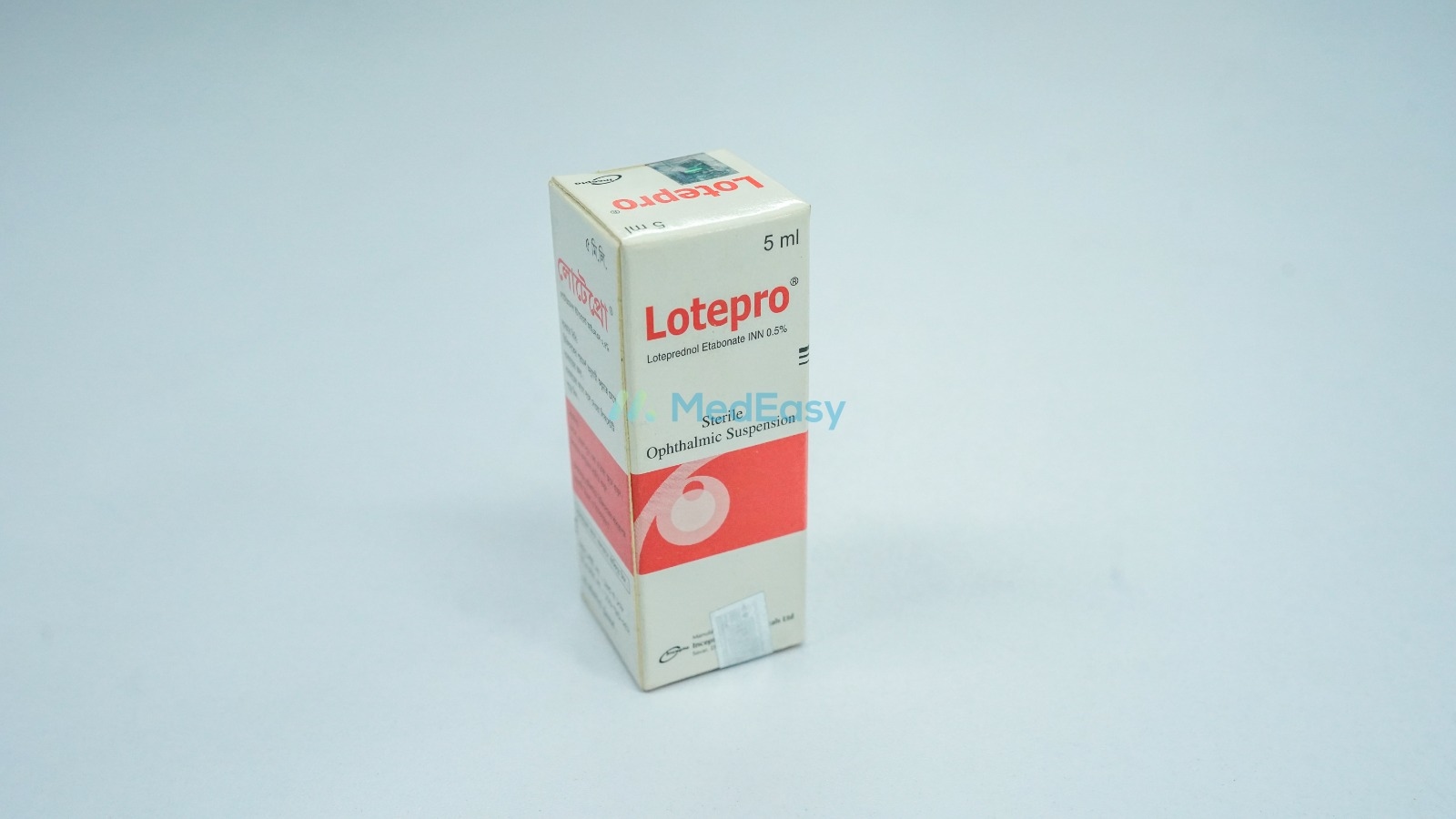
Lotepred0.5%
Aristopharma Ltd.
৳198.00
Add to cart
Loteprednol Etabonate is a topical ophthalmic corticosteroid indicated for the treatment of steroid-responsive inflammatory conditions of the eye.
Loteprednol Etabonate is a topical ophthalmic corticosteroid indicated for the treatment of steroid-responsive inflammatory conditions of the eye. Established/FDA-approved uses include:
For acute anterior uveitis, Loteprednol Etabonate has shown lower efficacy than prednisolone acetate 1% in comparative trials and is generally considered a second-line option for this specific indication.
Fixed-dose combination products containing Loteprednol Etabonate with an antibiotic (e.g., tobramycin or gatifloxacin) are used off-label-as-combination when concurrent anti-inflammatory and antibacterial coverage is needed, such as after ocular surgery, and require a physician's assessment of infection risk.
| Formulation | Typical Adult Dosage |
|---|---|
| Ophthalmic suspension 0.5% | Instill 1–2 drops into the conjunctival sac of the affected eye(s) four times daily. During the initial treatment week, frequency may be increased to 1 drop every 1–2 hours if directed by a physician. |
| Ophthalmic suspension 1% | Instill 1 drop into the affected eye(s) twice daily; may be increased to up to four times daily during the first 2 weeks after surgery if directed. |
| Ophthalmic gel/ointment 0.5% | Apply a small amount into the conjunctival sac four times daily, typically starting 24 hours after surgery and continuing for up to 2 weeks. |
Shake suspension formulations of Loteprednol Etabonate well before each use. Dose, frequency, and total treatment duration should be individualized by the prescribing ophthalmologist based on severity of inflammation and clinical response. If signs and symptoms fail to improve after 2 days of treatment with Loteprednol Etabonate, the patient should be re-evaluated.
The most common adverse reactions to Loteprednol Etabonate (occurring in approximately 5–15% of patients) include:
Less common (affecting fewer than 5% of patients): conjunctivitis, corneal abnormalities, eyelid erythema, keratitis, ocular pain or discomfort, and uveitis. Non-ocular effects reported include headache, rhinitis, and pharyngitis.
More serious but less frequent risks with prolonged use of Loteprednol Etabonate include elevated intraocular pressure/glaucoma, posterior subcapsular cataract formation, secondary ocular infection, and delayed wound healing (see Precautions and Warnings for detail). Patients should contact their physician promptly if they experience significant eye pain, vision changes, or persistent redness.
Loteprednol Etabonate is contraindicated in:
Disclaimer
The information provided is accurate to the best of our knowledge, but it does not replace professional medical advice. We cannot guarantee its completeness or accuracy, and the absence of specific information about a drug should not be taken as an endorsement. We are not responsible for any consequences arising from this information, so please consult a healthcare professional for any concerns or questions.