Generic medicine

Loteprednol Etabonate + Gatifloxacin: Brands, Price & Uses in Bangladesh

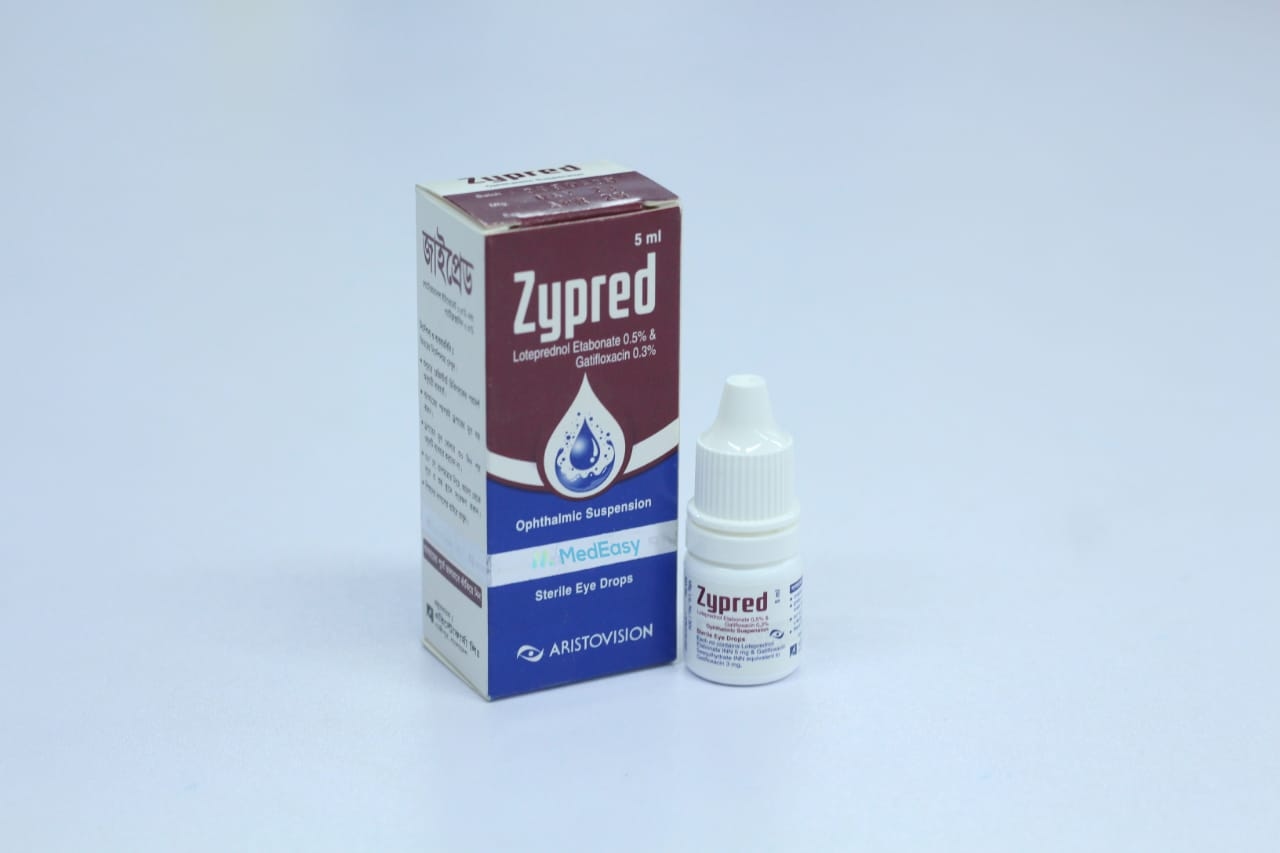
Loteprednol Etabonate + Gatifloxacin ophthalmic suspension is a corticosteroid-antibiotic combination indicated for: Established/approved use: Treatment of steroid-responsive inflammatory ocular…

Forms:Ophthalmic SuspensionSuspension

About Loteprednol Etabonate + Gatifloxacin

Indications of Loteprednol Etabonate + Gatifloxacin

Loteprednol Etabonate + Gatifloxacin ophthalmic suspension is a corticosteroid-antibiotic combination indicated for:

  • Established/approved use: Treatment of steroid-responsive inflammatory ocular conditions (such as post-operative inflammation following ocular surgery, e.g., cataract surgery) for which a corticosteroid is indicated and where superficial bacterial ocular infection exists or there is a significant risk of bacterial ocular infection.
  • Guideline/clinically-supported use: Blepharoconjunctivitis and blepharokeratoconjunctivitis with a demonstrated or presumed bacterial component accompanied by significant inflammation.
  • Adjunct use: As an adjunct to reduce inflammation and prevent secondary bacterial infection during the post-operative recovery period after ophthalmic surgical procedures.

Loteprednol Etabonate + Gatifloxacin is not indicated for the initial treatment of bacterial conjunctivitis alone (without a clear steroid-responsive inflammatory component), nor as an antibiotic used without concurrent need for the corticosteroid effect. It must not be used to treat infections without adequate concurrent antimicrobial therapy where the infecting organism is not susceptible.

Dosage & Administration of Loteprednol Etabonate + Gatifloxacin

IndicationAdult Dosage
Post-operative inflammation with risk/presence of bacterial infectionInstill 1–2 drops into the conjunctival sac of the affected eye(s) four times daily. During the first 24–48 hours in more severe cases, dosing frequency may be increased to every 1–2 hours as directed by the ophthalmologist, then tapered as inflammation subsides.
Blepharoconjunctivitis/blepharokeratoconjunctivitis with bacterial componentInstill 1–2 drops into the affected eye(s) 2–4 times daily, or as prescribed, for the duration directed by the physician.

Administration technique: Shake well before use. Tilt the head back, gently pull down the lower eyelid to form a pouch, and instill the prescribed number of drops without letting the dropper tip touch the eye, eyelid, or any surface (to avoid contamination). Close the eye gently for 1–2 minutes after instillation and apply light pressure over the tear duct (punctal occlusion) to minimize systemic absorption. If more than one topical ophthalmic product is used, allow at least 5–10 minutes between applications.

Duration: Treatment courses are typically short (commonly up to 1–2 weeks); prolonged use beyond what is prescribed should be avoided due to corticosteroid-related ocular risks. Complete the full course of Loteprednol Etabonate + Gatifloxacin exactly as prescribed by the physician; do not stop, extend, skip doses, or share this medicine with others without medical advice.

Pediatric and renal/hepatic dosing: see Use in Special Populations.

Side Effects of Loteprednol Etabonate + Gatifloxacin

Reported adverse effects with Loteprednol Etabonate + Gatifloxacin include:

Common

  • Ocular discomfort, stinging, or burning on instillation
  • Eye pain or irritation
  • Blurred vision (transient)
  • Foreign body sensation
  • Ocular itching, redness, or dryness

Less common/serious

  • Elevated intraocular pressure (see Precautions and Warnings)
  • Posterior subcapsular cataract formation with prolonged use
  • Delayed wound healing
  • Secondary ocular infection (fungal or viral) following suppression of the host response
  • Hypersensitivity reactions (eyelid swelling, itching, rash)

Patients should report any worsening eye pain, vision changes, persistent redness, or signs of new infection promptly.

Contraindications of Loteprednol Etabonate + Gatifloxacin

Loteprednol Etabonate + Gatifloxacin is contraindicated in:

  • Known hypersensitivity to loteprednol etabonate, gatifloxacin, other fluoroquinolones, other corticosteroids, or any component of the formulation.
  • Most viral diseases of the cornea and conjunctiva, including epithelial herpes simplex keratitis (dendritic keratitis), vaccinia, and varicella.
  • Mycobacterial infection of the eye.
  • Fungal diseases of ocular structures.

These contraindications exist because the corticosteroid component may suppress the host response and mask or worsen untreated infections of these types, or because of true hypersensitivity risk.

Frequently Asked Questions about Loteprednol Etabonate + Gatifloxacin

What is Loteprednol Etabonate + Gatifloxacin eye drops used for?

Loteprednol Etabonate + Gatifloxacin ophthalmic suspension is used to treat inflammation of the eye (such as after eye surgery) in situations where there is also a bacterial infection or a significant risk of one, and for blepharoconjunctivitis with a bacterial component. It combines a corticosteroid to reduce inflammation with an antibiotic to treat or prevent bacterial infection.

How should I use Loteprednol Etabonate + Gatifloxacin eye drops?

Shake the bottle well, then instill the prescribed number of drops (usually 1–2 drops, up to 4 times daily, or as directed) into the affected eye(s), avoiding contact between the dropper tip and the eye or any surface. Always use Loteprednol Etabonate + Gatifloxacin exactly as prescribed by your physician; do not stop, extend, skip doses, or share this medicine with others without medical advice.

Can I use Loteprednol Etabonate + Gatifloxacin for a long time?

No. Loteprednol Etabonate + Gatifloxacin should only be used for the duration prescribed by your physician, typically up to 1–2 weeks. Prolonged use of the corticosteroid component can raise eye pressure, cause cataracts, delay wound healing, and increase the risk of new eye infections, so ongoing use requires ophthalmologist monitoring.

Who should not use Loteprednol Etabonate + Gatifloxacin?

Loteprednol Etabonate + Gatifloxacin should not be used by people with known hypersensitivity to either component, other fluoroquinolones, or other corticosteroids, or by people with certain viral eye infections (such as herpes simplex keratitis, vaccinia, or varicella), mycobacterial eye infections, or fungal eye infections, because the steroid component can worsen these conditions.

Is Loteprednol Etabonate + Gatifloxacin safe during pregnancy or breastfeeding?

Data on the use of Loteprednol Etabonate + Gatifloxacin during pregnancy and breastfeeding are limited. Although absorption into the body from eye drops is generally low, it should be used during pregnancy or breastfeeding only if your physician determines that the benefit outweighs the potential risk, so always consult your doctor first.

What side effects can Loteprednol Etabonate + Gatifloxacin cause?

Common side effects of Loteprednol Etabonate + Gatifloxacin include mild stinging, burning, discomfort, blurred vision, or redness after application. Less commonly, it can raise eye pressure, cause cataracts with prolonged use, delay wound healing, or lead to a new eye infection. Contact your physician promptly if you notice worsening pain, vision changes, or persistent redness.

Disclaimer

The information provided is accurate to the best of our knowledge, but it does not replace professional medical advice. We cannot guarantee its completeness or accuracy, and the absence of specific information about a drug should not be taken as an endorsement. We are not responsible for any consequences arising from this information, so please consult a healthcare professional for any concerns or questions.
DoctorBlogArticles
