Generic medicine

Lutein + Zeaxanthin: Brands, Price & Uses in Bangladesh

Lutein + Zeaxanthin is a carotenoid antioxidant combination used primarily as a nutritional supplement to support eye health, most notably in the context of age-related macular degeneration (AMD).

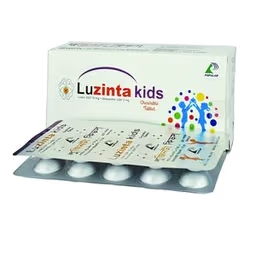
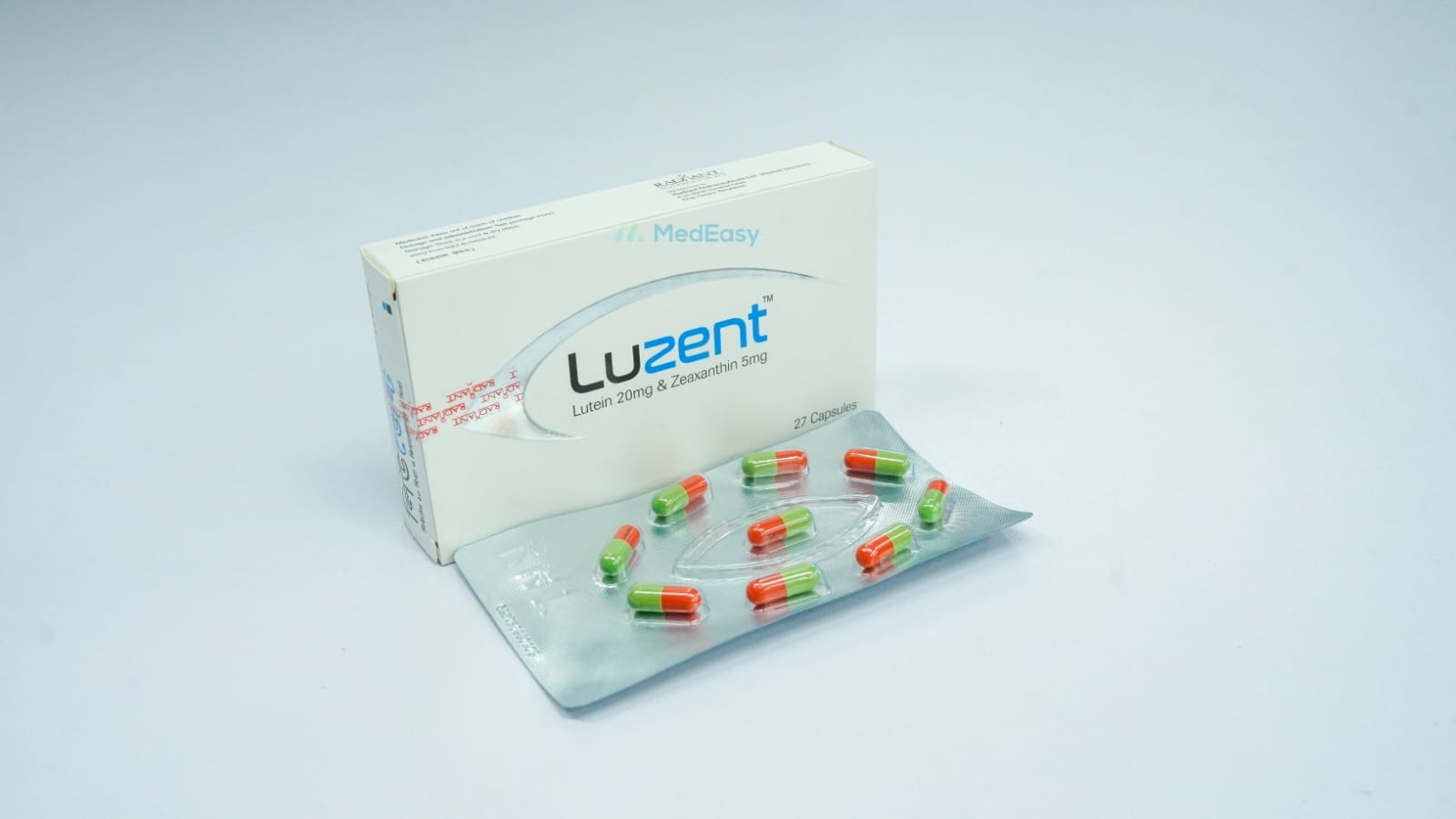
Forms:CapsuleChewable Tablet

About Lutein + Zeaxanthin

Indications of Lutein + Zeaxanthin

Lutein + Zeaxanthin is a carotenoid antioxidant combination used primarily as a nutritional supplement to support eye health, most notably in the context of age-related macular degeneration (AMD).

Evidence-based/guideline-supported use

  • Reducing the risk of progression to advanced AMD: Based on the National Eye Institute-sponsored AREDS2 (Age-Related Eye Disease Study 2) clinical trial, Lutein + Zeaxanthin taken as part of the AREDS2 formulation (together with vitamin C, vitamin E, zinc, and copper) has been shown to reduce the risk of progression from intermediate AMD to advanced (neovascular or central geographic atrophy) AMD, and to reduce progression risk in the fellow eye of patients with advanced AMD in one eye.

Adjunct/combination-therapy use

  • Lutein + Zeaxanthin is most often used as one component of a multi-nutrient AREDS2-type formulation rather than as a stand-alone product, since the supporting clinical evidence comes from the combined formulation.

General/dietary supplement use

  • General maintenance of macular pigment density and antioxidant support for eye health in adults, including those without diagnosed AMD, as a dietary supplement (evidence for benefit in this broader population is less robust than for intermediate/advanced AMD).

Lutein + Zeaxanthin is not indicated as a treatment for existing severe vision loss, early AMD (where benefit has not been demonstrated), or any acute eye disease, and does not replace regular ophthalmologic monitoring.

Dosage & Administration of Lutein + Zeaxanthin

Adult Dose

IndicationTypical Dose
Risk reduction in intermediate AMD or advanced AMD in one eye (AREDS2 formulation)Lutein 10 mg + Zeaxanthin 2 mg once daily, usually taken as part of a combined AREDS2 multi-nutrient formulation (with vitamin C, vitamin E, zinc, and copper), sometimes divided into two doses per day depending on the product
General dietary/antioxidant supplementationAs per product label; commonly 6-20 mg lutein with 1-4 mg zeaxanthin daily

Pediatric Dose

Not established; Lutein + Zeaxanthin supplementation for AMD risk reduction is not applicable to children, as AMD is a disease of older adults.

Renal/Hepatic Impairment

No well-established dose adjustment is required for renal or hepatic impairment; however, patients with significant hepatic or renal disease should consult a physician before use, particularly if the product also contains high-dose zinc.

Administration

Lutein + Zeaxanthin should be taken orally with food, preferably a meal containing some fat, to enhance absorption of the fat-soluble carotenoids. It should be taken consistently, as directed by a physician or the product label, for long-term risk reduction rather than short-term symptom relief.

Side Effects of Lutein + Zeaxanthin

Lutein + Zeaxanthin is generally well tolerated. Reported adverse effects are usually mild and include:

  • Mild gastrointestinal upset (nausea, abdominal discomfort)
  • Headache
  • Carotenodermia (a harmless yellow-orange discoloration of the skin) with prolonged high-dose intake, which resolves after dose reduction or discontinuation

Serious adverse effects are rare. Any unusual or severe reaction should be reported to a physician.

Contraindications of Lutein + Zeaxanthin

Lutein + Zeaxanthin is contraindicated only in patients with known hypersensitivity to lutein, zeaxanthin, or any excipient/component of the specific product formulation.

Frequently Asked Questions about Lutein + Zeaxanthin

What is Lutein + Zeaxanthin used for?

Lutein + Zeaxanthin is a carotenoid antioxidant supplement mainly used, as part of the AREDS2 formulation (with vitamin C, vitamin E, zinc, and copper), to reduce the risk of progression to advanced age-related macular degeneration (AMD) in people with intermediate AMD or advanced AMD in one eye. It is not a treatment for existing severe vision loss and does not replace regular eye examinations.

Can Lutein + Zeaxanthin cure or reverse vision loss from AMD?

No. Lutein + Zeaxanthin is a risk-reduction and supportive supplement, not a cure. It may help slow progression to more advanced AMD in appropriate patients but cannot reverse vision that has already been lost.

Are there any drug interactions with Lutein + Zeaxanthin?

Lutein + Zeaxanthin has minimal known clinically significant interactions with other medicines. However, taking it together with high-dose beta-carotene supplements may reduce absorption of one or more carotenoids, and duplicate intake of AREDS2-type multivitamin products should be avoided to prevent excess zinc, vitamin C, or vitamin E intake.

Is Lutein + Zeaxanthin safe during pregnancy and breastfeeding?

Supplemental doses of Lutein + Zeaxanthin above normal dietary intake have not been thoroughly studied in pregnancy or breastfeeding. It should be used in these situations only if clearly needed and after consulting a physician, who can weigh the potential benefit against limited safety data.

What are the possible side effects of Lutein + Zeaxanthin?

Lutein + Zeaxanthin is generally well tolerated. Mild gastrointestinal upset and headache can occur, and prolonged high-dose use may cause a harmless, reversible yellow-orange skin discoloration (carotenodermia). Serious side effects are rare.

What should I do if I take too much Lutein + Zeaxanthin?

Taking more than the recommended amount of Lutein + Zeaxanthin may cause skin discoloration but is not typically associated with serious acute toxicity on its own. If a very large amount has been taken, especially of a combined multi-nutrient product, or if any concerning symptoms occur, seek immediate medical attention or contact a poison control center rather than treating it at home.

Disclaimer

The information provided is accurate to the best of our knowledge, but it does not replace professional medical advice. We cannot guarantee its completeness or accuracy, and the absence of specific information about a drug should not be taken as an endorsement. We are not responsible for any consequences arising from this information, so please consult a healthcare professional for any concerns or questions.
DoctorBlogArticles