Generic medicine

Mebendazole: Brands, Price & Uses in Bangladesh

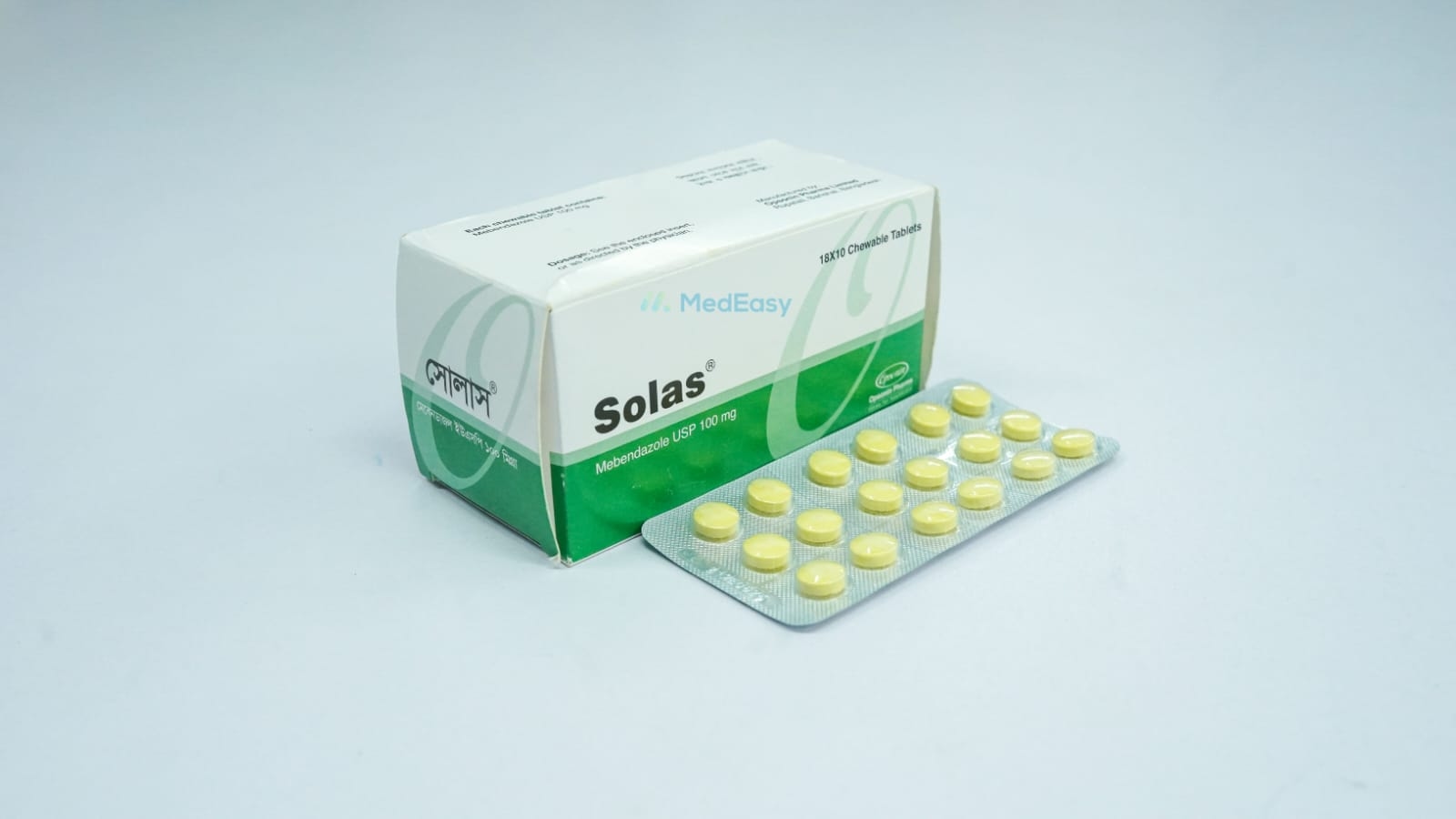
Mebendazole is a broad-spectrum anthelmintic used to treat intestinal (gastrointestinal) worm infections.

Forms:SyrupChewable TabletOral Suspension

About Mebendazole

Indications of Mebendazole

Mebendazole is a broad-spectrum anthelmintic used to treat intestinal (gastrointestinal) worm infections.

Established / Approved Uses

  • Pinworm infection (Enterobius vermicularis)
  • Whipworm infection (Trichuris trichiura)
  • Common roundworm infection (Ascaris lumbricoides)
  • Hookworm infection (Necator americanus and Ancylostoma duodenale)
  • Mixed infections caused by two or more of the above parasites

Guideline-Supported / Public Health Use

Mebendazole is used in community mass deworming (soil-transmitted helminth control) programmes supported by WHO in areas of high infection prevalence, using standard single- or short-course dosing.

Off-Label / Specialist Use (Different, High-Dose Regimen)

At much higher doses and for a prolonged period, Mebendazole is used off-label under specialist supervision for cystic hydatid disease (Echinococcus granulosus) and, less commonly, other tissue-invasive or unusual helminth infections, when surgery is not possible or as an adjunct to surgery. This high-dose use carries a distinctly higher risk of side effects than standard short-course dosing (see Precautions).

Dosage & Administration of Mebendazole

Dosing of Mebendazole depends on the specific worm infection being treated. The same dose applies to adults and children aged 2 years and older unless otherwise directed by a physician.

InfectionStandard Dose
Pinworm (Enterobius vermicularis)One 100 mg dose as a single administration; a repeat dose after 2–3 weeks may be advised by the physician because reinfection is common
Whipworm, common roundworm, hookworm, or mixed infections100 mg twice daily (morning and evening) for 3 consecutive days
Hydatid disease (off-label, specialist-directed, high dose)Weight-based high-dose regimen (typically in the range of 40–50 mg/kg/day in divided doses, taken with fatty food) continued for several months, only under specialist supervision with regular blood count and liver function monitoring

If treatment fails to clear symptoms or the infection recurs, consult a physician; a repeat course or an alternative agent may be needed.

Complete the full course exactly as prescribed. Do not stop, extend, skip doses, or share this medicine with others without medical advice. For pinworm infection, a physician may also recommend treating close household/family contacts and simultaneous hygiene measures to prevent reinfection.

Side Effects of Mebendazole

At standard short-course doses, Mebendazole is generally well tolerated because systemic absorption is low. When side effects do occur, they are usually mild and self-limiting.

Common (Standard Dose)

  • Abdominal pain or cramping
  • Diarrhea
  • Flatulence
  • Nausea or vomiting
  • Headache or dizziness (uncommon)
  • Skin rash (uncommon)

Less Common / Serious (More Likely with High-Dose or Prolonged Therapy, e.g. for Hydatid Disease)

  • Liver enzyme elevation and, rarely, hepatitis
  • Neutropenia or agranulocytosis (low white blood cell counts)
  • Hair loss (alopecia)
  • Seizures (rare; reported chiefly in infants under 1 year of age)
  • Hypersensitivity reactions including rash, angioedema, or, rarely, anaphylaxis

Seek prompt medical attention for signs of severe skin reaction, unusual bleeding/bruising, persistent fever, yellowing of the skin/eyes, or severe allergic reaction while taking Mebendazole.

Contraindications of Mebendazole

Mebendazole is contraindicated in patients with known hypersensitivity to Mebendazole or to other benzimidazole anthelmintics.

Frequently Asked Questions about Mebendazole

What is Mebendazole used for?

Mebendazole is an anthelmintic (antiparasitic) medicine used to treat intestinal worm infections such as pinworm, whipworm, common roundworm, and hookworm. At a much higher, prolonged dose, it is also used off-label under specialist care for hydatid disease.

How is Mebendazole taken?

Mebendazole tablets can be chewed, swallowed whole, or crushed and mixed with food, with or without food, for standard treatment. The dose and number of days depend on the specific worm infection — often a single 100 mg dose for pinworm, or 100 mg twice daily for 3 days for whipworm, roundworm, hookworm, or mixed infections. Always follow your physician's specific instructions and complete the full course; do not stop, extend, skip doses, or share this medicine with others without medical advice.

Can Mebendazole be taken during pregnancy?

Mebendazole should be used in pregnancy only if clearly needed and the potential benefit justifies the potential risk to the fetus, especially in the first trimester; consult a physician first. This is different from public-health mass deworming programmes, where health authorities may use Mebendazole in pregnant women under specific guidance — individual use should still be decided with a physician.

What are the common side effects of Mebendazole?

At standard doses, Mebendazole is generally well tolerated. The most common side effects are mild abdominal pain, diarrhea, flatulence, nausea, or vomiting. Serious effects such as liver problems or low blood cell counts are rare and are more associated with high-dose, prolonged use (for example, in hydatid disease treatment) rather than standard short-course dosing.

Do other family members need to take Mebendazole too?

For pinworm infection in particular, a physician may recommend that close household or family contacts also be treated with Mebendazole at the same time, along with hygiene measures, because pinworm spreads easily between household members and reinfection is common.

What should I do if I miss a dose or accidentally take too much Mebendazole?

If a dose of the multi-day regimen is missed, take it as soon as you remember and continue the course as directed; do not double the dose. If you suspect you or someone else has taken too much Mebendazole, seek immediate medical attention or contact a poison control center or emergency services right away rather than attempting to manage it at home.

Disclaimer

The information provided is accurate to the best of our knowledge, but it does not replace professional medical advice. We cannot guarantee its completeness or accuracy, and the absence of specific information about a drug should not be taken as an endorsement. We are not responsible for any consequences arising from this information, so please consult a healthcare professional for any concerns or questions.

DoctorBlogArticles