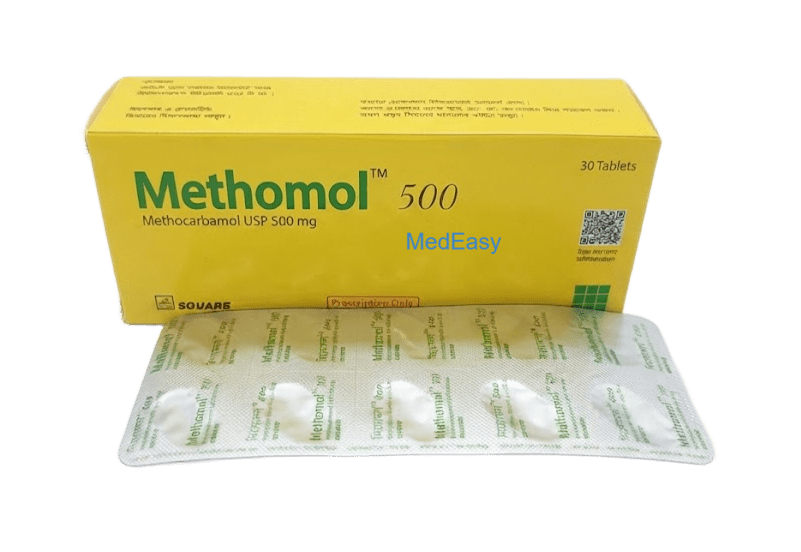
Generic medicine

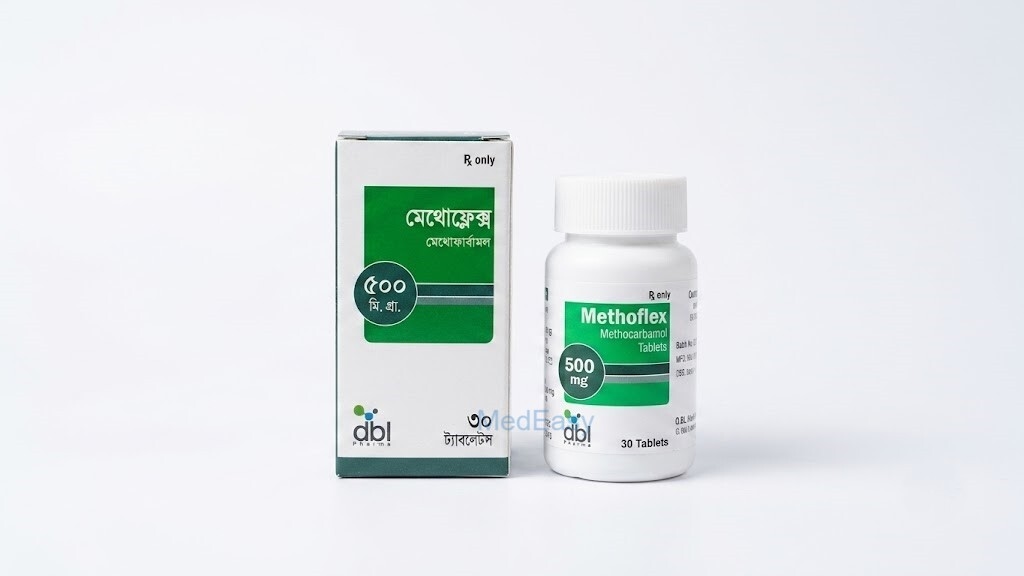
Methocarbamol: Brands, Price & Uses in Bangladesh

Methocarbamol is indicated as an adjunct to rest, physical therapy, and other measures for the relief of discomfort associated with acute, painful musculoskeletal conditions.

Forms:Tablet

About Methocarbamol

Indications of Methocarbamol

Methocarbamol is indicated as an adjunct to rest, physical therapy, and other measures for the relief of discomfort associated with acute, painful musculoskeletal conditions.

  • Established use: Short-term adjunctive therapy for acute muscle spasm and pain of musculoskeletal origin (e.g., low back pain, muscle strain), used together with rest and physiotherapy - not as a sole treatment.
  • Additional established use (injectable formulation): As an adjunct to other measures in the supportive management of muscle spasm associated with tetanus, under specialist/hospital care.

Methocarbamol does not act directly on skeletal muscle, the motor endplate, or the nerve fiber; its benefit is thought to result from generalized central nervous system depression.

Dosage & Administration of Methocarbamol

Methocarbamol should be used at the lowest effective dose for the shortest duration necessary, in conjunction with rest and physical therapy.

IndicationPopulationTypical Dosing
Acute musculoskeletal spasm/painAdultsInitial: 1500 mg (e.g., 3 x 500 mg tablets, or 2 x 750 mg tablets) four times daily for the first 48-72 hours, up to a maximum of 8 g/day in severe cases. Maintenance: approximately 4 g/day in divided doses (e.g., 750 mg every 4 hours or 1000 mg three times daily).
Acute musculoskeletal spasm/painChildren < 16 yearsSafety and efficacy not established; not generally recommended for this indication.
Adjunct in tetanus (injectable, hospital use)AdultsPer hospital protocol; administered by slow IV infusion or IM injection under direct medical supervision.
Renal impairmentAdultsUse with caution; drug clearance may be reduced. See Use in Special Populations.
Hepatic impairmentAdultsUse with caution at a reduced dose; elimination half-life may be prolonged. See Use in Special Populations.

Tablets should be swallowed whole with water and may be taken with food if stomach upset occurs. Treatment with Methocarbamol is generally intended for short-term use; consult a physician if symptoms persist beyond 2-3 weeks. Do not exceed the maximum recommended dose. Any injectable form of Methocarbamol must be administered only by a qualified healthcare professional in a clinical setting.

Side Effects of Methocarbamol

Side effects associated with Methocarbamol are usually mild and dose-related.

Common

  • Drowsiness, dizziness, light-headedness
  • Blurred vision, headache
  • Nausea, stomach upset
  • Mild muscular incoordination
  • Metallic taste, nasal congestion
  • Harmless discoloration of urine (black, brown, or green) - an expected, benign effect that resolves after stopping the drug

Less common/serious

  • Skin rash, itching, urticaria (allergic-type reactions)
  • Fever
  • Seizures (particularly in patients with seizure disorders)
  • Fainting/syncope, low blood pressure (especially with rapid intravenous administration of the injectable form)
  • Injection-site reactions, such as pain, swelling, or thrombophlebitis (injectable form only)
  • Rarely, jaundice or reduced white blood cell counts

Seek medical attention if you experience signs of a serious allergic reaction (swelling of the face/throat, difficulty breathing) or any severe or persistent side effect while taking Methocarbamol.

Contraindications of Methocarbamol

Methocarbamol is contraindicated in:

  • Patients with known hypersensitivity to Methocarbamol or to any component of the formulation.
  • Patients with known or suspected renal pathology, specifically for the injectable formulation of Methocarbamol (due to the polyethylene glycol vehicle used in that product, which may worsen renal impairment); this does not apply to oral tablets.

Frequently Asked Questions about Methocarbamol

What is Methocarbamol used for?

Methocarbamol is used, together with rest and physical therapy, to relieve discomfort from acute, painful musculoskeletal conditions such as muscle strain or spasm. It is also used, in injectable form, as an adjunct in the supportive management of tetanus in a hospital setting.

How should I take Methocarbamol?

Take Methocarbamol tablets by mouth, swallowed whole with water, with or without food, exactly as directed by your physician. Do not exceed the recommended dose, and do not use it for longer than advised, as Methocarbamol is intended for short-term use.

Can Methocarbamol make me drowsy or affect driving?

Yes. Methocarbamol commonly causes drowsiness, dizziness, and blurred vision. Avoid driving or operating machinery until you know how Methocarbamol affects you, and avoid alcohol or other sedating medicines while taking it, as these effects can add up.

Is it normal for my urine to change color while taking Methocarbamol?

Yes, Methocarbamol can harmlessly turn urine black, brown, or green. This is an expected, benign effect and does not mean there is a problem with your kidneys or liver; it resolves after you stop the medicine.

Can I take Methocarbamol during pregnancy or while breastfeeding?

Methocarbamol should be used in pregnancy only if clearly needed, since it falls under the older pregnancy category C and animal studies have shown possible risks; discuss with your physician first. It is not known whether Methocarbamol passes into breast milk in significant amounts, so caution and medical advice are recommended before use while breastfeeding.

What should I do if I take too much Methocarbamol?

An overdose of Methocarbamol can cause severe drowsiness, blurred vision, low blood pressure, seizures, or coma. Seek emergency medical attention or contact a poison control center immediately if an overdose is suspected; do not try to treat it at home.

Disclaimer

The information provided is accurate to the best of our knowledge, but it does not replace professional medical advice. We cannot guarantee its completeness or accuracy, and the absence of specific information about a drug should not be taken as an endorsement. We are not responsible for any consequences arising from this information, so please consult a healthcare professional for any concerns or questions.
DoctorBlogArticles