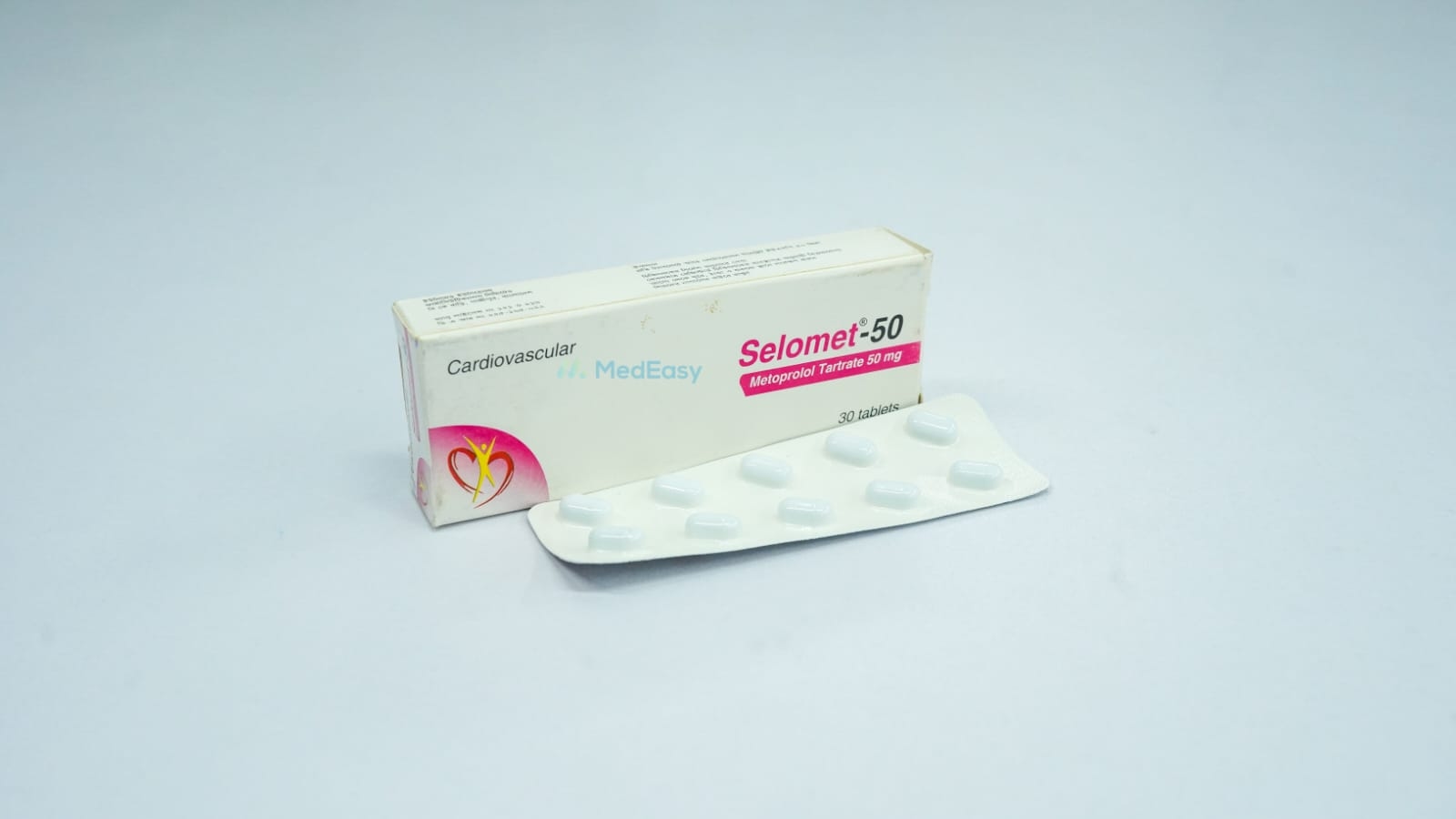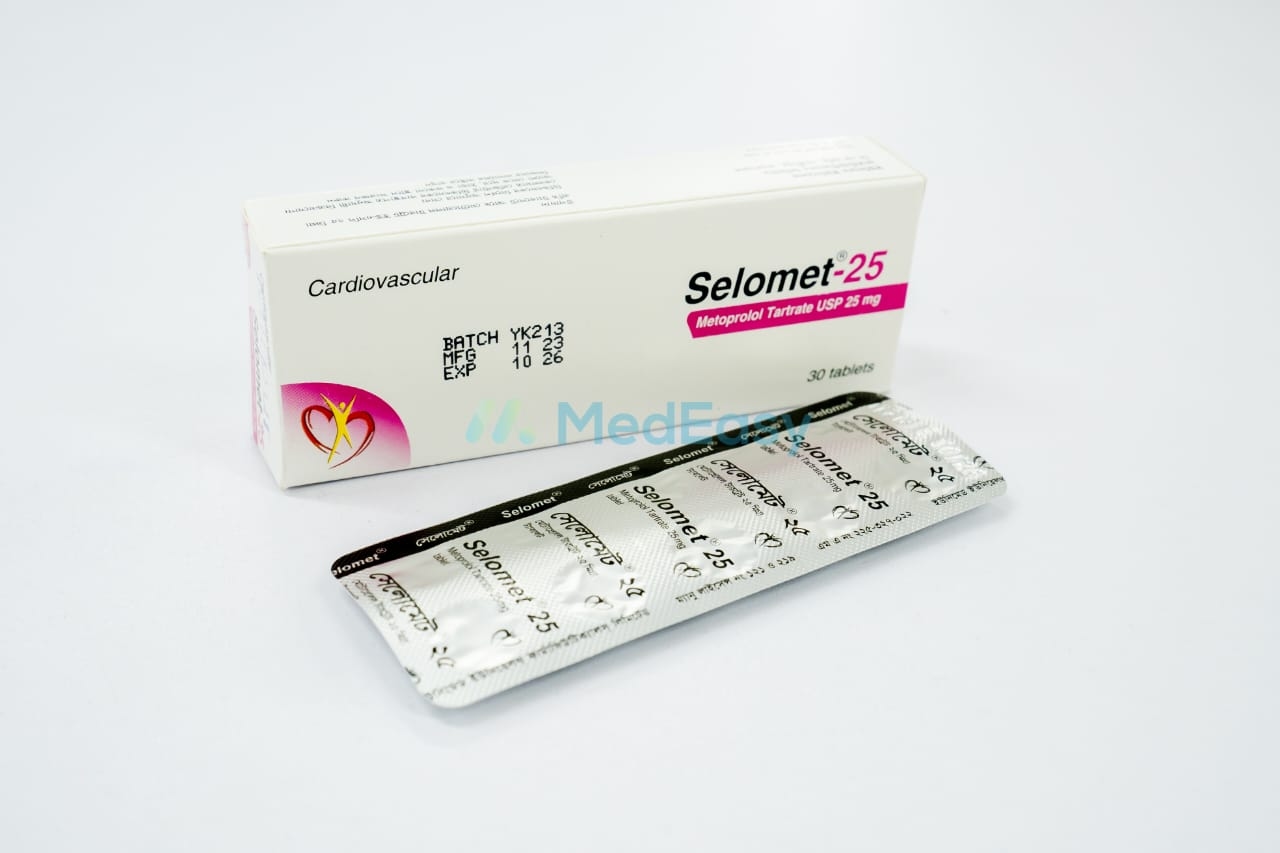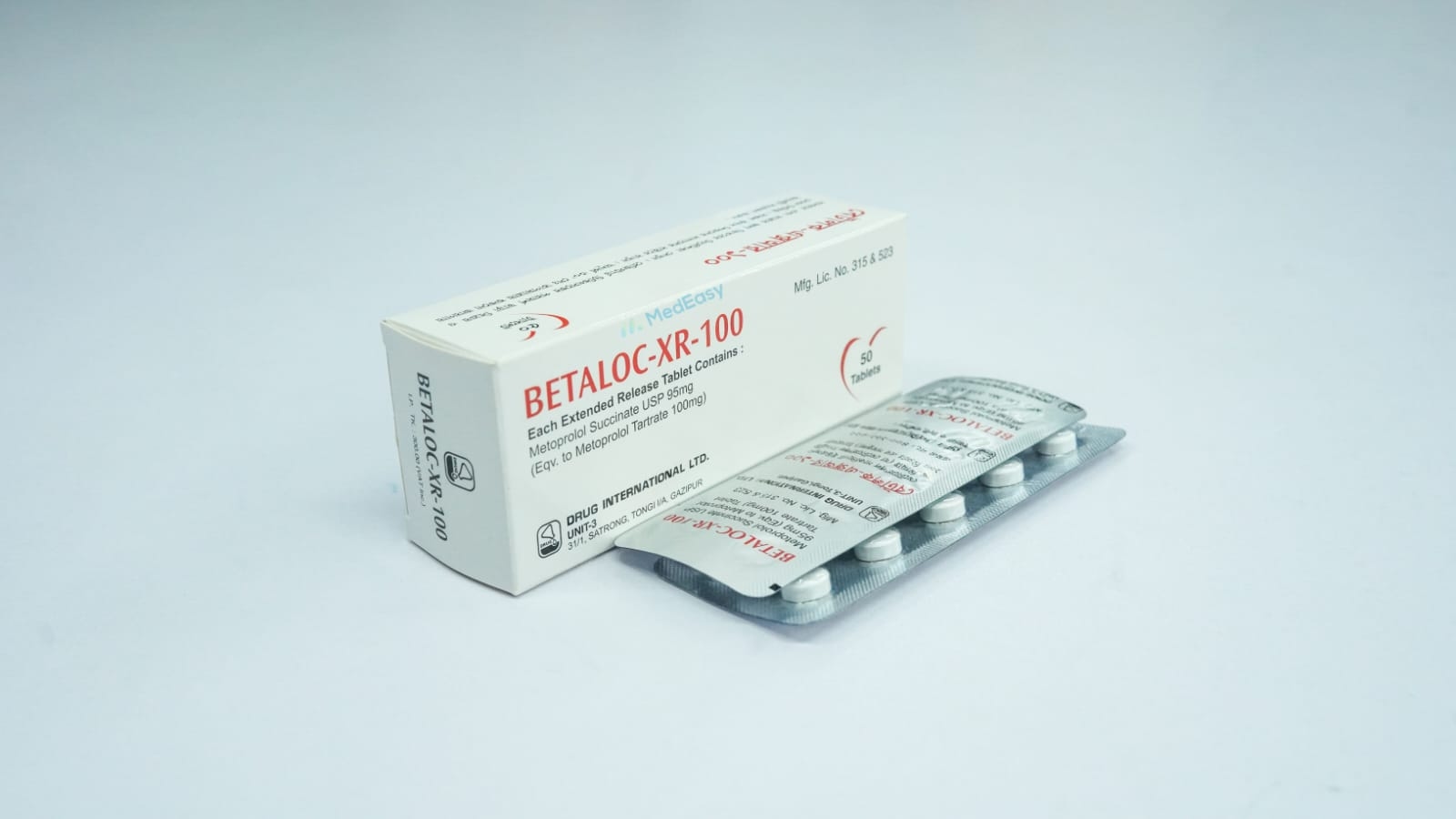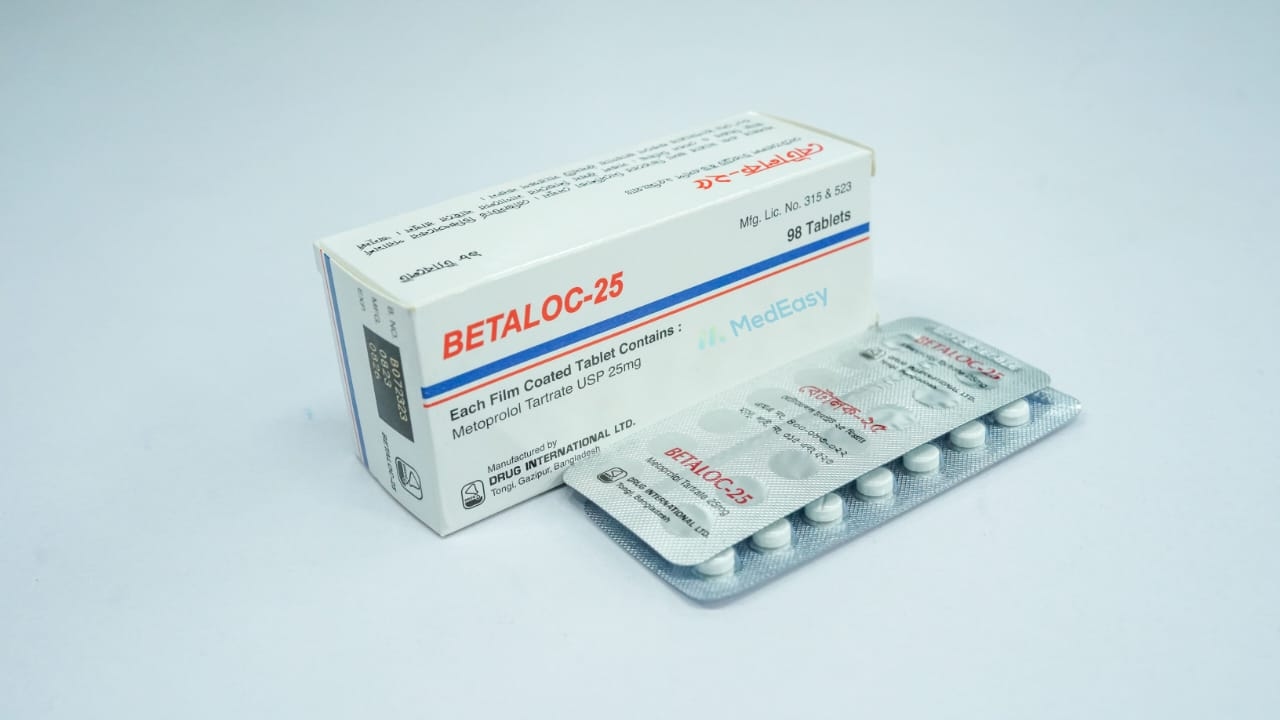
Generic medicine

Metoprolol Tartrate: Brands, Price & Uses in Bangladesh

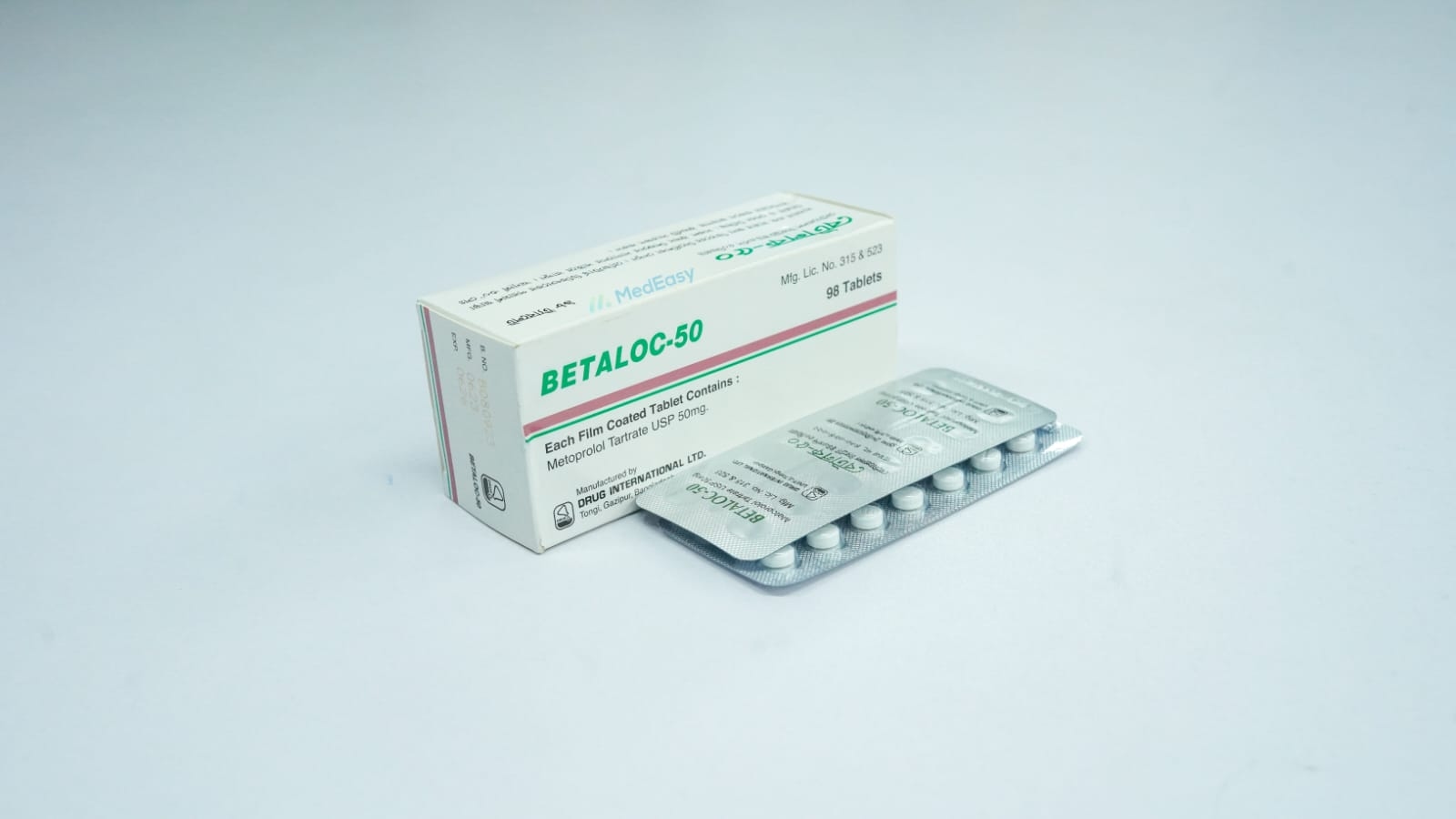
Metoprolol Tartrate is a cardioselective beta-1 adrenergic receptor blocker.

Forms:TabletIV Injection

About Metoprolol Tartrate

Indications of Metoprolol Tartrate

Metoprolol Tartrate is a cardioselective beta-1 adrenergic receptor blocker. Its FDA-approved and well-established indications include:

  • Hypertension: Used alone or in combination with other antihypertensive agents to lower blood pressure.
  • Angina pectoris: Long-term management to reduce the frequency and severity of angina attacks.
  • Myocardial infarction (heart attack): To reduce cardiovascular mortality in hemodynamically stable patients, given early after the event.

Guideline-supported and commonly used off-label indications include:

  • Rate control in atrial fibrillation and atrial flutter.
  • Management of certain supraventricular tachyarrhythmias.
  • Symptomatic treatment of hyperthyroidism-related tachycardia (as an adjunct, not a substitute for definitive treatment).
  • Migraine prophylaxis (off-label use).

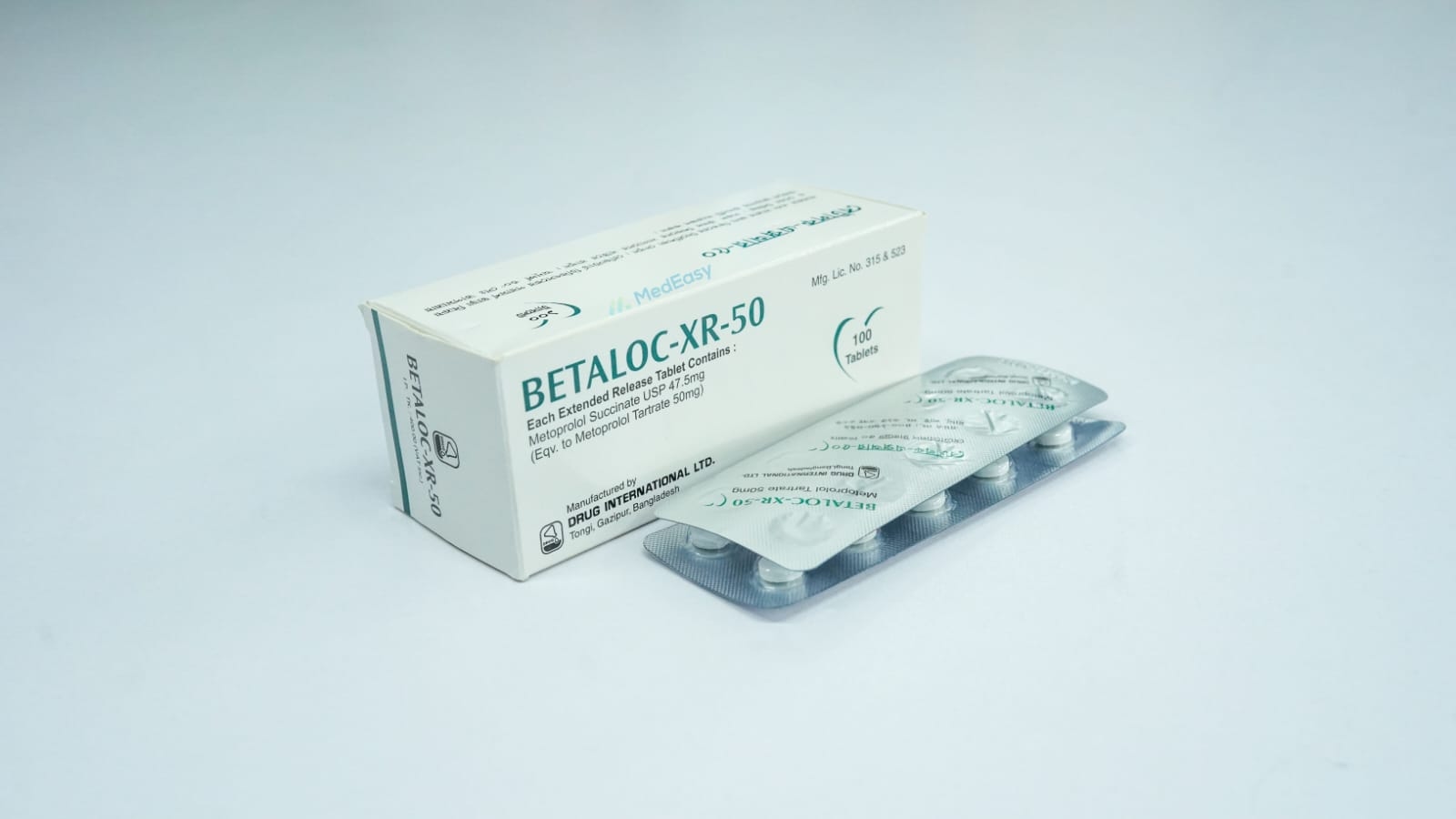
Note: Metoprolol Tartrate is the immediate-release salt form, typically dosed multiple times daily, and is a distinct product from extended-release metoprolol succinate, which is dosed once daily and is separately approved for chronic heart failure.

Dosage & Administration of Metoprolol Tartrate

IndicationAdult Dosage
HypertensionInitial: 100 mg/day in single or divided doses; usual maintenance range 100-450 mg/day in divided doses, titrated to response.
Angina pectorisInitial: 100 mg/day in two divided doses; may increase gradually at weekly intervals up to 400 mg/day.
Myocardial infarction (early treatment)In hospital, under close monitoring, followed by 100 mg twice daily by mouth for at least 3 months if tolerated, per treating physician's protocol.
Atrial fibrillation/flutter (rate control, off-label)Individualized dosing, typically 25-100 mg twice daily, per physician judgment.

Metoprolol Tartrate tablets should be taken with or immediately after meals to ensure consistent absorption. Doses should be taken at evenly spaced intervals.

Renal impairment: No specific dose adjustment is generally required as metoprolol is primarily hepatically metabolized, but caution and clinical monitoring are advised in severe renal impairment.

Hepatic impairment: Since Metoprolol Tartrate undergoes extensive hepatic metabolism, lower doses and careful titration are recommended in patients with significant hepatic impairment.

Important: Do not stop Metoprolol Tartrate abruptly. Discontinuation should be gradual, tapered over 1-2 weeks, under medical supervision, to avoid rebound hypertension, tachycardia, worsening angina, or myocardial infarction.

Side Effects of Metoprolol Tartrate

Common side effects of Metoprolol Tartrate include:

  • Fatigue and tiredness
  • Dizziness or lightheadedness
  • Bradycardia (slow heart rate)
  • Hypotension (low blood pressure)
  • Cold hands and feet
  • Diarrhea, nausea
  • Shortness of breath
  • Depression, sleep disturbances

Less common but serious side effects requiring prompt medical attention include severe bradycardia, worsening heart failure (swelling, weight gain, breathlessness), bronchospasm (especially in patients with reactive airway disease), and heart block. See Precautions and Warnings for abrupt-discontinuation risks.

Contraindications of Metoprolol Tartrate

Metoprolol Tartrate is contraindicated in patients with:

  • Known hypersensitivity to metoprolol or any component of the formulation
  • Severe bradycardia
  • Second- or third-degree atrioventricular (AV) block (unless an artificial pacemaker is in place)
  • Sick sinus syndrome without a functioning pacemaker
  • Cardiogenic shock
  • Decompensated (overt) heart failure
  • Severe peripheral arterial circulatory disorders

Frequently Asked Questions about Metoprolol Tartrate

What is Metoprolol Tartrate used for?

Metoprolol Tartrate is used to treat high blood pressure (hypertension), chest pain due to angina, and to reduce the risk of death after a heart attack. It is also sometimes used off-label to control heart rate in certain arrhythmias such as atrial fibrillation.

Can I stop taking Metoprolol Tartrate suddenly?

No. You should never stop Metoprolol Tartrate abruptly without your physician's guidance. Sudden discontinuation can cause rebound high blood pressure, a fast heart rate, worsening chest pain, or even a heart attack, particularly if you have underlying heart disease. If treatment needs to be stopped, your doctor will taper the dose gradually, usually over 1-2 weeks.

Is Metoprolol Tartrate the same as extended-release metoprolol?

No. Metoprolol Tartrate is the immediate-release form, usually taken two or three times a day. Extended-release metoprolol succinate is a different salt form taken once daily and is separately approved for certain uses such as chronic heart failure. Do not switch between forms without your doctor's advice.

Can I take Metoprolol Tartrate if I have asthma?

Metoprolol Tartrate is relatively selective for the heart's beta-1 receptors, but this selectivity is not complete, especially at higher doses, and it can still trigger bronchospasm in people with asthma or COPD. Use in these patients requires caution and close medical supervision; discuss your respiratory history with your physician before starting.

Does Metoprolol Tartrate affect blood sugar monitoring in diabetes?

Yes, Metoprolol Tartrate can mask some warning signs of low blood sugar (hypoglycemia), such as a fast heart rate and tremor. If you have diabetes, monitor your blood glucose more closely and discuss this with your physician.

Is it safe to take Metoprolol Tartrate during pregnancy or while breastfeeding?

Metoprolol Tartrate should be used in pregnancy only if clearly needed and if the potential benefit justifies the potential risk to the fetus, under physician supervision, as it crosses the placenta and can affect the newborn. It also passes into breast milk in small amounts, so breastfeeding infants should be monitored, and use should be discussed with your physician.

Disclaimer

The information provided is accurate to the best of our knowledge, but it does not replace professional medical advice. We cannot guarantee its completeness or accuracy, and the absence of specific information about a drug should not be taken as an endorsement. We are not responsible for any consequences arising from this information, so please consult a healthcare professional for any concerns or questions.
DoctorBlogArticles