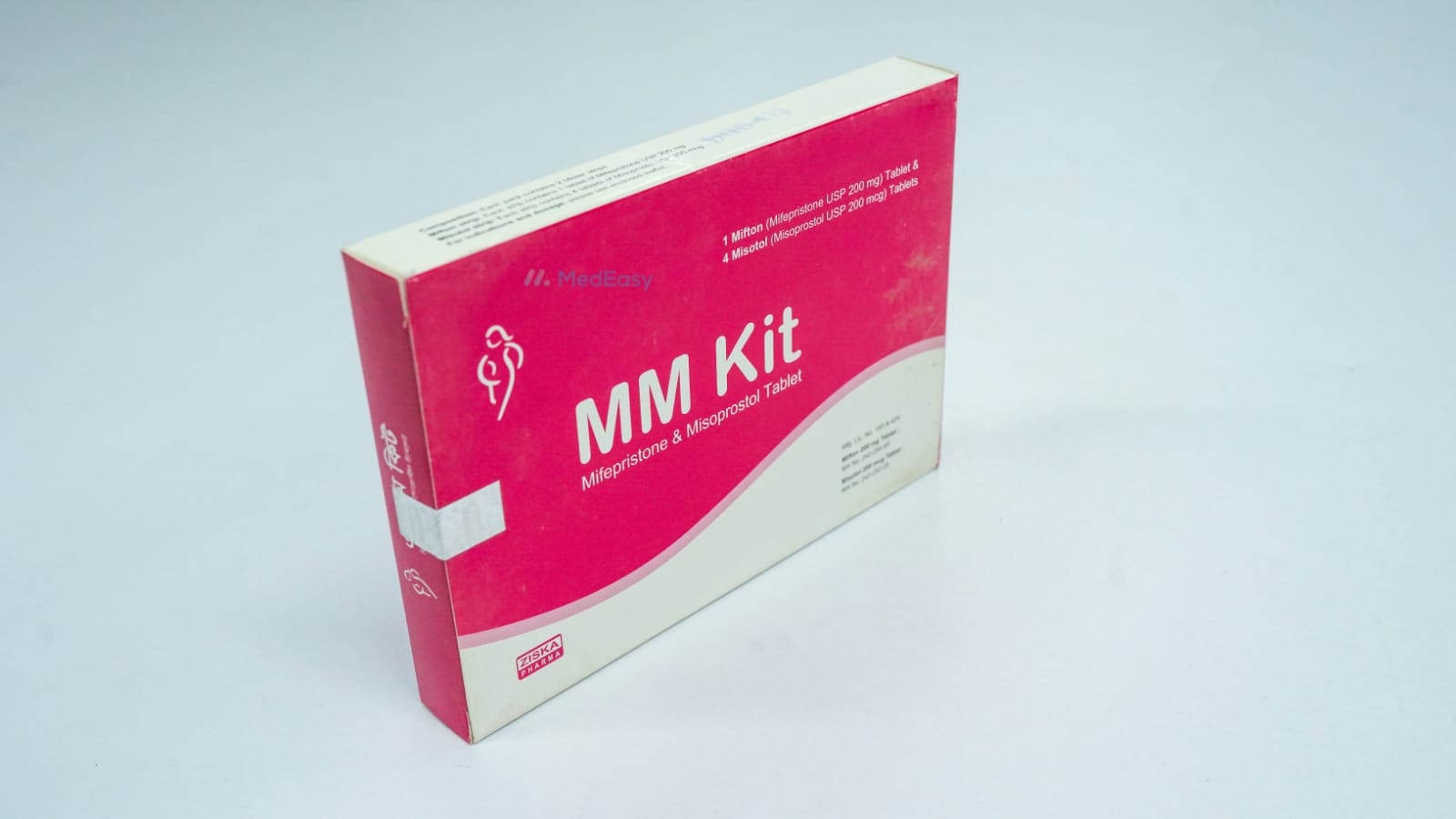
Generic medicine

Mifepristone + Misoprostol: Brands, Price & Uses in Bangladesh

Approved Indications Mifepristone + Misoprostol is a two-drug regimen combining a progesterone receptor antagonist (mifepristone) with a prostaglandin E1 analogue (misoprostol) and more.

Forms:Tablet

About Mifepristone + Misoprostol

Indications of Mifepristone + Misoprostol

Approved Indications

Mifepristone + Misoprostol is a two-drug regimen combining a progesterone receptor antagonist (mifepristone) with a prostaglandin E1 analogue (misoprostol), used under strict medical supervision for:

  • Medical termination of confirmed intrauterine pregnancy, up to the gestational age limit specified in the approved product labeling/local regulatory authority (commonly through the early first trimester, calculated from the first day of the last menstrual period and confirmed by clinical assessment and/or ultrasound before use).

Guideline-Supported / Additional Use

  • Management of early pregnancy loss (missed miscarriage) — in some markets and clinical guidelines, Mifepristone + Misoprostol is used as a medical alternative to surgical uterine evacuation for confirmed non-viable early intrauterine pregnancy, at the treating physician's discretion.

Mifepristone + Misoprostol must only be used after an intrauterine pregnancy has been confirmed and an ectopic pregnancy has been excluded (see Contraindications), and requires a follow-up visit to confirm the pregnancy has been completely terminated.

Dosage & Administration of Mifepristone + Misoprostol

Standard Regimen for Medical Termination of Pregnancy

StepMedicine & doseTiming
Step 1Mifepristone 200 mg, one tablet, taken orallyDay 1, administered/witnessed at a medical facility
Step 2Misoprostol 800 mcg, by the buccal, vaginal, or sublingual route as specified in the approved regimen/local protocol24–48 hours after the mifepristone dose
Follow-upClinical review (and ultrasound/hCG testing where indicated)Approximately 7–14 days after mifepristone, to confirm complete termination and exclude ongoing or ectopic pregnancy

Mifepristone + Misoprostol is approved for use only up to the gestational age limit stated in the approved product labeling/local regulatory guidance; it is not intended for use beyond this limit. Treatment must be initiated and supervised by a physician who has confirmed an intrauterine pregnancy and has excluded ectopic pregnancy.

Early Pregnancy Loss (Missed Miscarriage) Regimen

Where used for medical management of confirmed early pregnancy loss, a physician may direct a modified sequence or dose of Mifepristone + Misoprostol's components per current clinical guidelines; this must always be individualized by the treating physician.

Pediatric Dosing

Mifepristone + Misoprostol is used in pregnant adolescents of reproductive age under the same physician-supervised regimen as adults, with appropriate counselling; it is not used in pre-menarchal children (see Pediatric Uses).

Renal/Hepatic Impairment

Data on dose adjustment in significant renal or hepatic impairment are limited; Mifepristone + Misoprostol should be used with added caution and closer monitoring in these patients under specialist supervision (see Use in Special Populations).

Side Effects of Mifepristone + Misoprostol

Common / Expected Effects

  • Vaginal bleeding — expected and part of how Mifepristone + Misoprostol works; can be heavier and longer than a normal menstrual period
  • Abdominal pain and uterine cramping
  • Nausea and vomiting
  • Diarrhea
  • Fever or chills (mainly related to the misoprostol component)
  • Headache, dizziness, and weakness

Less Common but Clinically Important Effects

  • Heavy or prolonged bleeding requiring medical intervention
  • Incomplete termination of pregnancy, requiring further medical or surgical treatment

Rare but Serious Effects

  • Serious infection, including rare cases of severe or fatal sepsis, which can occasionally occur without the typical signs of fever
  • Severe allergic/hypersensitivity reactions

Patients should seek urgent medical attention for soaking through more than two sanitary pads per hour for two or more consecutive hours, severe or worsening abdominal pain, fever lasting more than 24 hours, or feeling generally unwell after taking Mifepristone + Misoprostol (see Precautions and Warnings).

Contraindications of Mifepristone + Misoprostol

Contraindications

  • Confirmed or suspected ectopic pregnancy — ectopic pregnancy must be excluded before Mifepristone + Misoprostol is used; Mifepristone + Misoprostol is not effective treatment for ectopic pregnancy and delaying its diagnosis can be life-threatening.
  • Intrauterine device (IUD) in place — the IUD must be removed before Mifepristone + Misoprostol is administered.
  • Chronic adrenal failure.
  • Hemorrhagic disorders, or current therapy with anticoagulants.
  • Inherited porphyria.
  • Known hypersensitivity to mifepristone, misoprostol, other prostaglandins, or any component of Mifepristone + Misoprostol.

Frequently Asked Questions about Mifepristone + Misoprostol

What is Mifepristone + Misoprostol used for?

Mifepristone + Misoprostol is a two-medicine regimen used under a physician's direct supervision for the medical termination of a confirmed early intrauterine pregnancy, and in some settings for management of confirmed early pregnancy loss (missed miscarriage). It is only used up to the gestational age limit set by the approved product labeling.

How is Mifepristone + Misoprostol taken?

Mifepristone + Misoprostol is taken in two steps. First, one 200 mg mifepristone tablet is swallowed, usually at a medical facility. Then, 24–48 hours later, misoprostol 800 mcg is taken by the route your physician directs (buccal, vaginal, or sublingual). A follow-up visit about 7–14 days later is required to confirm the pregnancy has been completely terminated.

Is bleeding after taking Mifepristone + Misoprostol normal?

Yes. Vaginal bleeding and cramping are an expected, normal part of how Mifepristone + Misoprostol works and can be heavier than a typical period. However, soaking through more than two sanitary pads per hour for two or more hours in a row, severe abdominal pain, or fever lasting more than 24 hours are warning signs and need urgent medical attention right away.

Can Mifepristone + Misoprostol be used if I might have an ectopic pregnancy or have an IUD in place?

No. Confirmed or suspected ectopic pregnancy must be ruled out before Mifepristone + Misoprostol is given, because Mifepristone + Misoprostol does not treat ectopic pregnancy and delaying its diagnosis can be dangerous. If you have an IUD in place, it must be removed before Mifepristone + Misoprostol is used. Your physician will confirm your pregnancy is intrauterine before prescribing Mifepristone + Misoprostol.

What are the most common side effects of Mifepristone + Misoprostol?

The most common effects of Mifepristone + Misoprostol are vaginal bleeding, abdominal cramping, nausea, vomiting, diarrhea, headache, and fever or chills. These are usually expected parts of the process, but severe pain, heavy prolonged bleeding, or fever beyond 24 hours should be reported to your physician urgently.

Do I need a follow-up visit after taking Mifepristone + Misoprostol?

Yes, a follow-up visit is a required part of Mifepristone + Misoprostol treatment, typically about 7–14 days after the mifepristone dose. This visit confirms that the pregnancy has been completely terminated and rules out an ongoing or ectopic pregnancy; a small number of patients may need additional medical or surgical treatment if termination is incomplete.

Disclaimer

The information provided is accurate to the best of our knowledge, but it does not replace professional medical advice. We cannot guarantee its completeness or accuracy, and the absence of specific information about a drug should not be taken as an endorsement. We are not responsible for any consequences arising from this information, so please consult a healthcare professional for any concerns or questions.

DoctorBlogArticles