8% Off
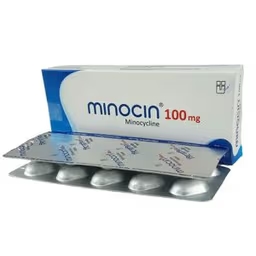
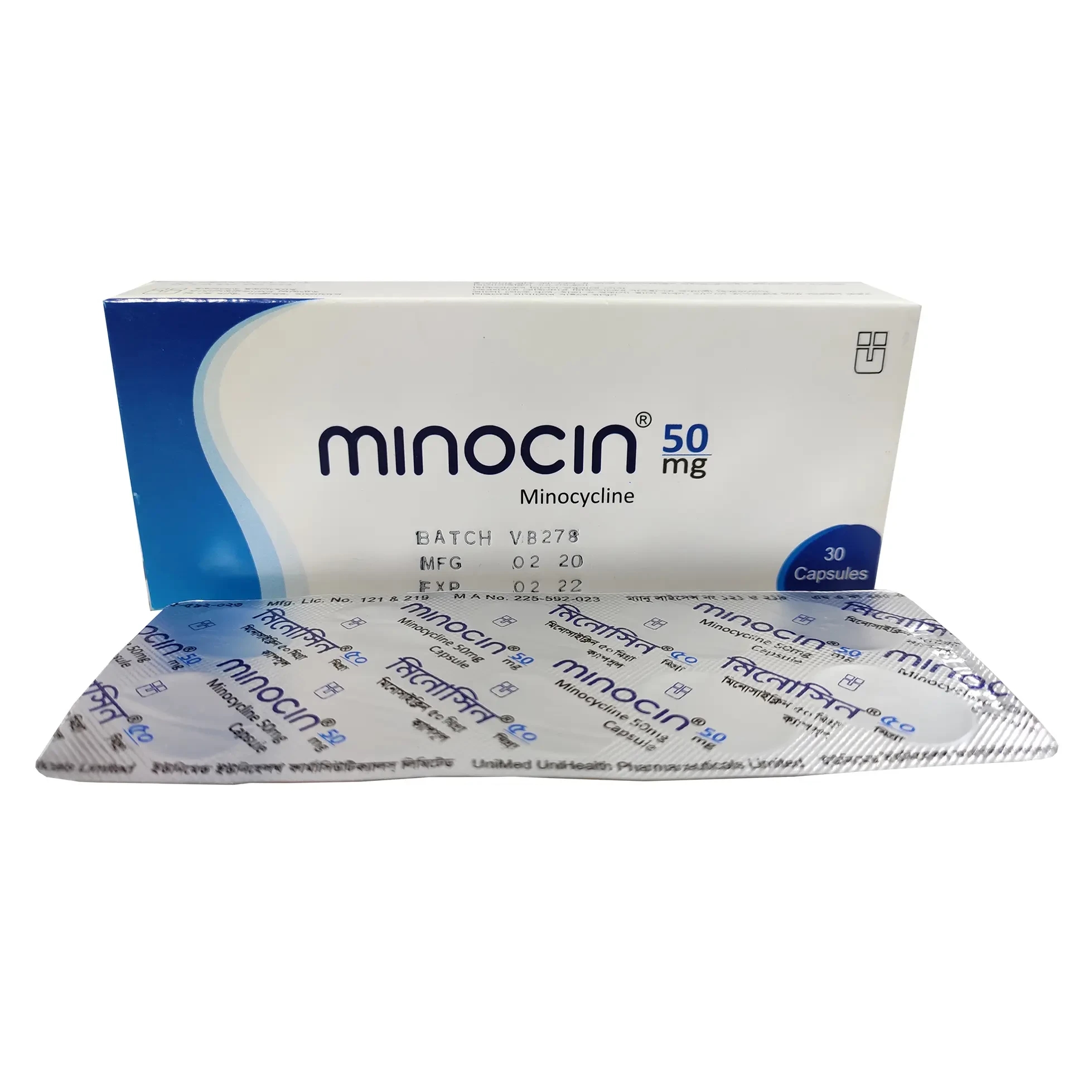
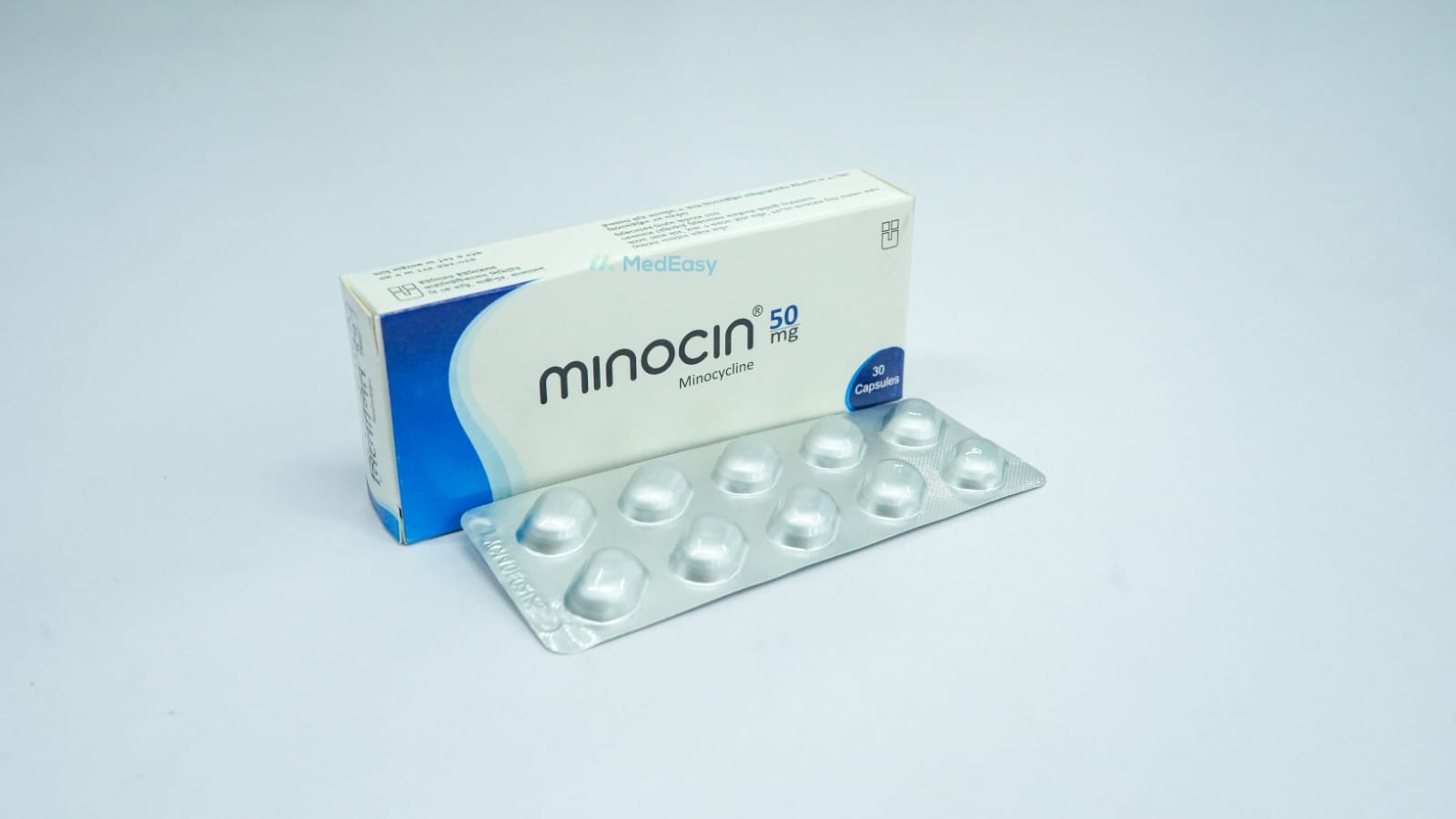
Minocin50 mg
Unimed Unihealth MFG. Ltd.
৳230.00
Add to cart
Acne Vulgaris Minocycline Hydrochloride is an established, FDA-approved adjunctive treatment for moderate to severe inflammatory acne vulgaris in patients 12 years of age and older.
Minocycline Hydrochloride is an established, FDA-approved adjunctive treatment for moderate to severe inflammatory acne vulgaris in patients 12 years of age and older. Minocycline Hydrochloride is typically used as part of a limited, defined-duration regimen alongside topical acne therapy rather than as long-term monotherapy, consistent with current antibiotic stewardship practice.
Minocycline Hydrochloride is established therapy for a range of infections caused by susceptible organisms, including infections due to Rickettsia species (Rocky Mountain spotted fever, typhus fever and typhus group infections, Q fever, rickettsialpox, and tick fevers), respiratory tract infections caused by Streptococcus pneumoniae, and skin and soft-tissue infections caused by susceptible staphylococci and streptococci. Minocycline Hydrochloride is also indicated for uncomplicated urethral, endocervical, or rectal infections caused by Chlamydia trachomatis, for lymphogranuloma venereum, and for psittacosis (Chlamydophila psittaci).
Minocycline Hydrochloride is indicated for relapsing fever due to Borrelia, plague (Yersinia pestis), tularemia, cholera, brucellosis (usually combined with an aminoglycoside or rifampin — combination therapy is required for optimal cure, not Minocycline Hydrochloride alone), bartonellosis, and granuloma inguinale. As an alternative in patients with penicillin hypersensitivity, Minocycline Hydrochloride may be used for syphilis, Listeria monocytogenes infections, and uncomplicated gonococcal infections when penicillin cannot be used.
Minocycline Hydrochloride is used off-label, generally as an adjunct to disease-modifying antirheumatic drug (DMARD) therapy and not as a standalone treatment, in some cases of early rheumatoid arthritis. Minocycline Hydrochloride has also been used off-label as adjunctive therapy in periodontal disease and, historically, for eradication of nasopharyngeal meningococcal carriage in adults, although this specific use has declined due to resistance concerns and the vestibular side effects of Minocycline Hydrochloride. These off-label uses should only be undertaken on the advice of a qualified physician.
The dose, frequency, and duration of Minocycline Hydrochloride vary considerably by indication, patient age and weight, and clinical severity, and must be determined by a qualified healthcare professional; the regimen used for one infection is not necessarily appropriate for another. The general regimens below reflect commonly cited dosing ranges and are not a substitute for individualized medical advice.
Minocycline Hydrochloride is contraindicated in patients with known hypersensitivity to Minocycline Hydrochloride or to any other tetracycline-class antibiotic, in pregnant women, and in children under 8 years of age, because of the risk of permanent tooth discoloration and inhibition of bone growth associated with this drug class.
Disclaimer
The information provided is accurate to the best of our knowledge, but it does not replace professional medical advice. We cannot guarantee its completeness or accuracy, and the absence of specific information about a drug should not be taken as an endorsement. We are not responsible for any consequences arising from this information, so please consult a healthcare professional for any concerns or questions.