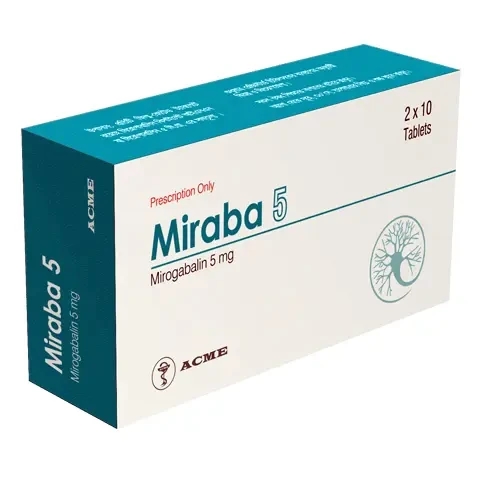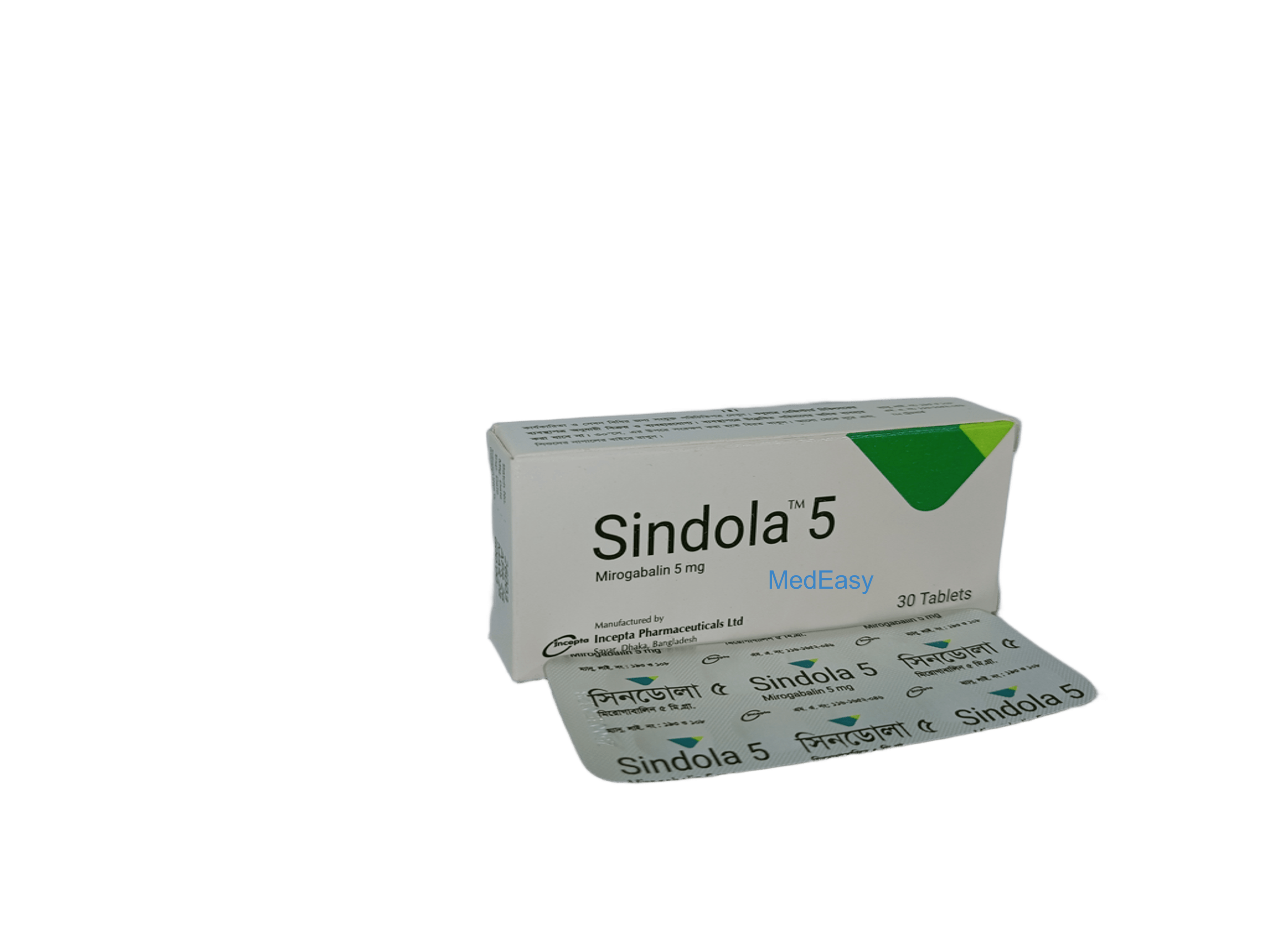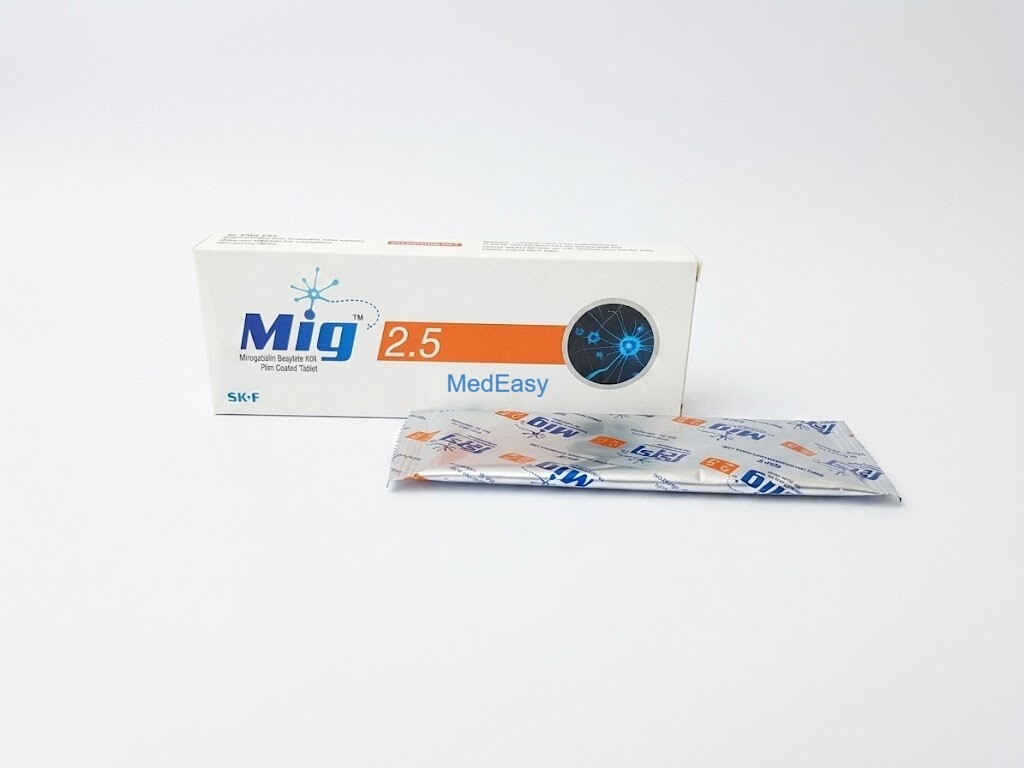
Generic medicine

Mirogabalin Besylate: Brands, Price & Uses in Bangladesh

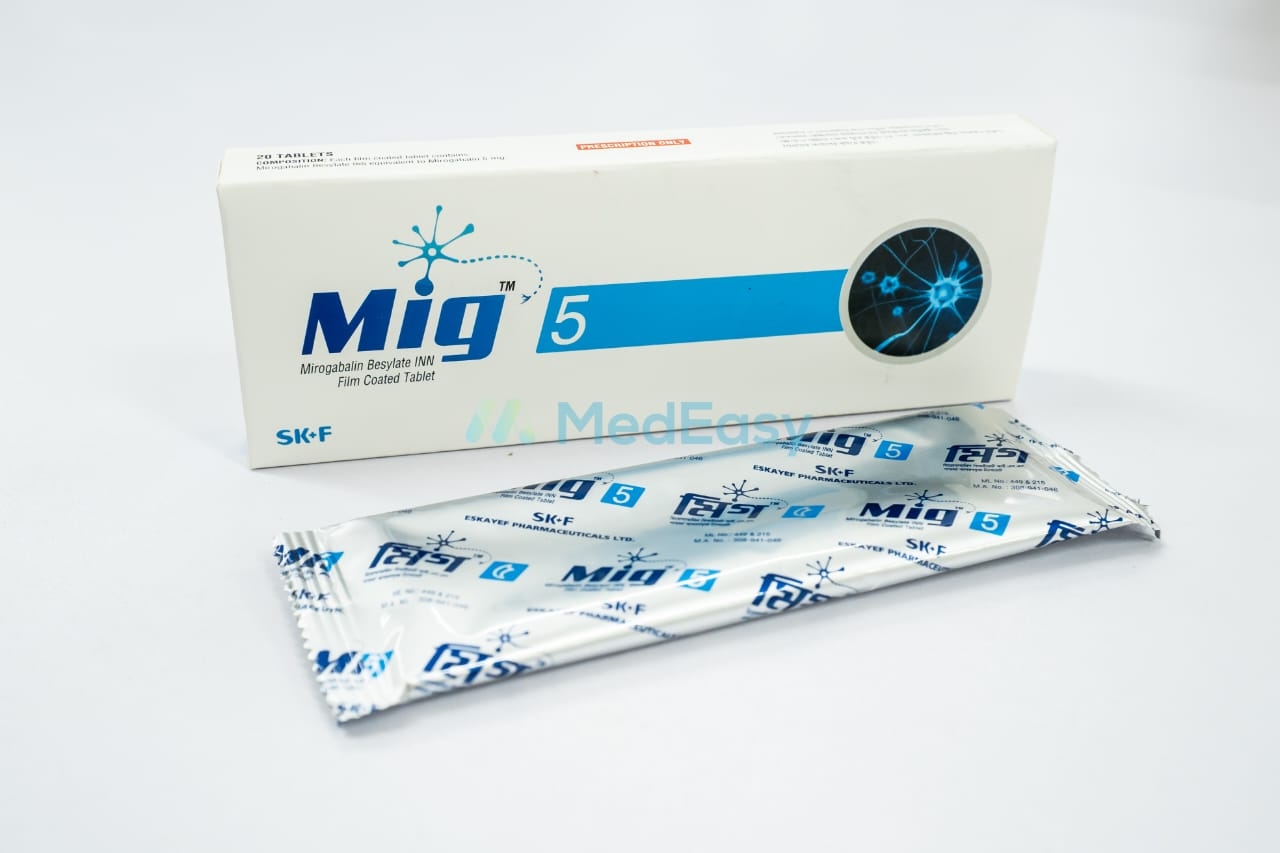
Mirogabalin Besylate is a gabapentinoid (alpha-2-delta calcium channel ligand) used in the management of neuropathic pain.

Forms:Tablet

About Mirogabalin Besylate

Indications of Mirogabalin Besylate

Mirogabalin Besylate is a gabapentinoid (alpha-2-delta calcium channel ligand) used in the management of neuropathic pain. Its use can be classified by strength of evidence as follows:

Established / Guideline-Supported Uses

  • Peripheral neuropathic pain, including diabetic peripheral neuropathic pain (DPNP) - an approved indication for Mirogabalin Besylate in several Asian regulatory markets, based on randomized controlled trials.
  • Postherpetic neuralgia (PHN) - pain persisting after resolution of herpes zoster (shingles) rash, an approved indication for Mirogabalin Besylate where the drug is registered.

Regulatory Status

Mirogabalin Besylate is approved and marketed in Japan, South Korea, and other Asian markets (including Bangladesh) for peripheral neuropathic pain. It does not currently hold FDA approval in the United States; prescribing decisions outside markets where it is registered should follow local regulatory labeling.

As with other gabapentinoids, Mirogabalin Besylate should be used only for indications supported by a physician's assessment of the patient's pain condition; it is not indicated for nociceptive (non-neuropathic) pain.

Dosage & Administration of Mirogabalin Besylate

Adults with Normal Renal Function

  • Initial dose: 5 mg orally twice daily.
  • Titration: Increase in increments of 5 mg per dose at intervals of one week or more, based on response and tolerability.
  • Usual maintenance dose: 10 mg to 15 mg twice daily.

Dose Adjustment in Renal Impairment

Mirogabalin Besylate is renally cleared, and dose adjustment based on creatinine clearance (CLcr) is required:

Renal Function (CLcr, mL/min)Starting DoseUsual Maintenance Dose
Mild impairment (CLcr 60-89)5 mg twice dailyUp to 15 mg twice daily
Moderate impairment (CLcr 30-59)2.5 mg twice dailyUp to 7.5 mg twice daily
Severe impairment (CLcr <30) or on dialysis2.5 mg once dailyUp to 7.5 mg once daily

Titration in renal impairment should proceed cautiously and more slowly than in patients with normal renal function, guided by physician judgment.

Administration

Mirogabalin Besylate tablets may be taken with or without food, generally with a glass of water, at approximately the same times each day (e.g., morning and evening) to maintain steady drug levels. Tablets should be swallowed whole and not crushed or chewed unless a physician or pharmacist advises otherwise. Mirogabalin Besylate should not be stopped abruptly; if discontinuation is needed, the dose should be tapered gradually over at least one week under medical supervision to reduce the risk of withdrawal-like symptoms (see Precautions and Warnings).

Side Effects of Mirogabalin Besylate

Adverse effects of Mirogabalin Besylate are generally dose-related and most prominent during titration.

Common

  • Somnolence (sleepiness) and dizziness
  • Peripheral edema (swelling of hands, ankles, or feet)
  • Weight gain
  • Constipation
  • Blurred or double vision

Less Common but Clinically Important

  • Headache, tremor, memory impairment, or unsteady gait
  • Orthostatic hypotension (dizziness on standing)
  • Rare reports of loss of consciousness
  • Hallucinations or confusion (more common in elderly patients)
  • Signs of liver dysfunction (yellowing of skin/eyes, dark urine) - rare but requires prompt evaluation

Patients should seek medical attention promptly for severe dizziness, fainting, difficulty breathing, signs of an allergic reaction, or signs of liver problems while taking Mirogabalin Besylate.

Contraindications of Mirogabalin Besylate

Mirogabalin Besylate is contraindicated in patients with a known history of hypersensitivity to mirogabalin or to any component of the formulation. There are no other well-established absolute contraindications to Mirogabalin Besylate; renal or hepatic impairment, pregnancy, and other clinical situations require dose adjustment or cautious use rather than absolute avoidance (see Dosage and Administration, Use in Special Populations, and Pregnancy and Lactation).

Frequently Asked Questions about Mirogabalin Besylate

What is Mirogabalin Besylate used for?

Mirogabalin Besylate is used to treat neuropathic pain - nerve-related pain such as diabetic peripheral neuropathic pain and postherpetic neuralgia (pain that persists after a shingles infection). It works by reducing overactive nerve signaling associated with these conditions.

How should I take Mirogabalin Besylate?

Mirogabalin Besylate is taken by mouth, usually twice daily, with or without food, at the dose and schedule prescribed by your physician. Your dose is usually started low and gradually increased over one to two weeks. Swallow tablets whole with water and take them at the same times each day.

Can I stop taking Mirogabalin Besylate suddenly if I feel better?

No. You should not stop Mirogabalin Besylate abruptly. Suddenly stopping can cause withdrawal-like symptoms such as insomnia, nausea, diarrhea, or reduced appetite. If you and your physician decide to stop treatment, the dose should be reduced gradually over at least a week under medical supervision.

Is it safe to drive or drink alcohol while taking Mirogabalin Besylate?

Mirogabalin Besylate commonly causes dizziness, somnolence (sleepiness), and blurred vision, especially when starting treatment or after a dose increase. You should avoid driving or operating machinery until you know how Mirogabalin Besylate affects you. Alcohol should be avoided because it can increase these effects and add to CNS depression, especially if you are also taking opioids, benzodiazepines, or other sedating medicines.

Do I need a lower dose of Mirogabalin Besylate if I have kidney problems?

Yes. Mirogabalin Besylate is cleared from the body mainly by the kidneys, so patients with mild, moderate, or severe renal impairment (including those on dialysis) require a lower starting dose and lower maintenance dose than patients with normal kidney function. Your physician will select the appropriate dose based on your kidney function.

Can Mirogabalin Besylate be used during pregnancy or breastfeeding?

Mirogabalin Besylate should be used during pregnancy only if your physician determines the potential benefit clearly justifies the potential risk to the baby, as data in human pregnancy are limited. Breastfeeding is generally not recommended during treatment with Mirogabalin Besylate unless your physician advises otherwise, because it is not known whether the drug passes into breast milk in significant amounts. Always consult your physician before using Mirogabalin Besylate if you are pregnant, planning pregnancy, or breastfeeding.

Disclaimer

The information provided is accurate to the best of our knowledge, but it does not replace professional medical advice. We cannot guarantee its completeness or accuracy, and the absence of specific information about a drug should not be taken as an endorsement. We are not responsible for any consequences arising from this information, so please consult a healthcare professional for any concerns or questions.

DoctorBlogArticles