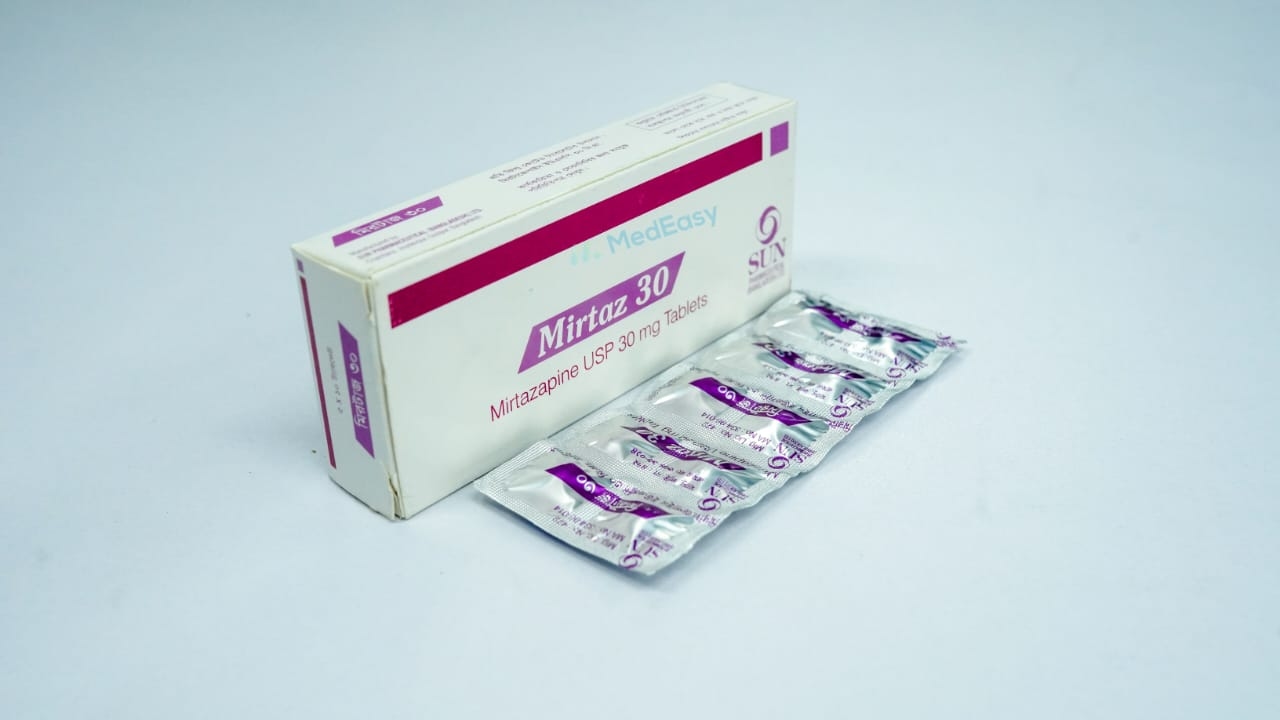
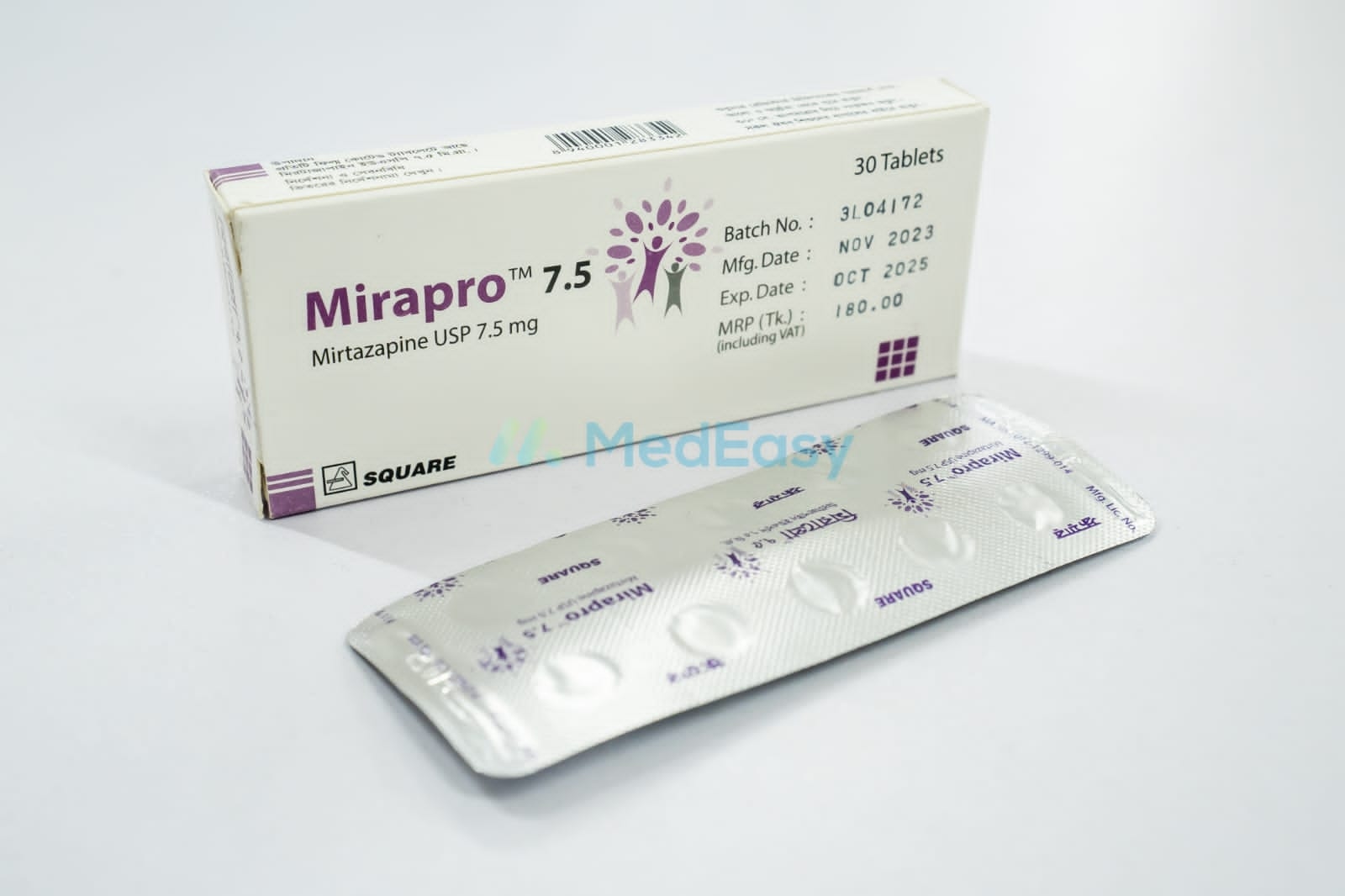
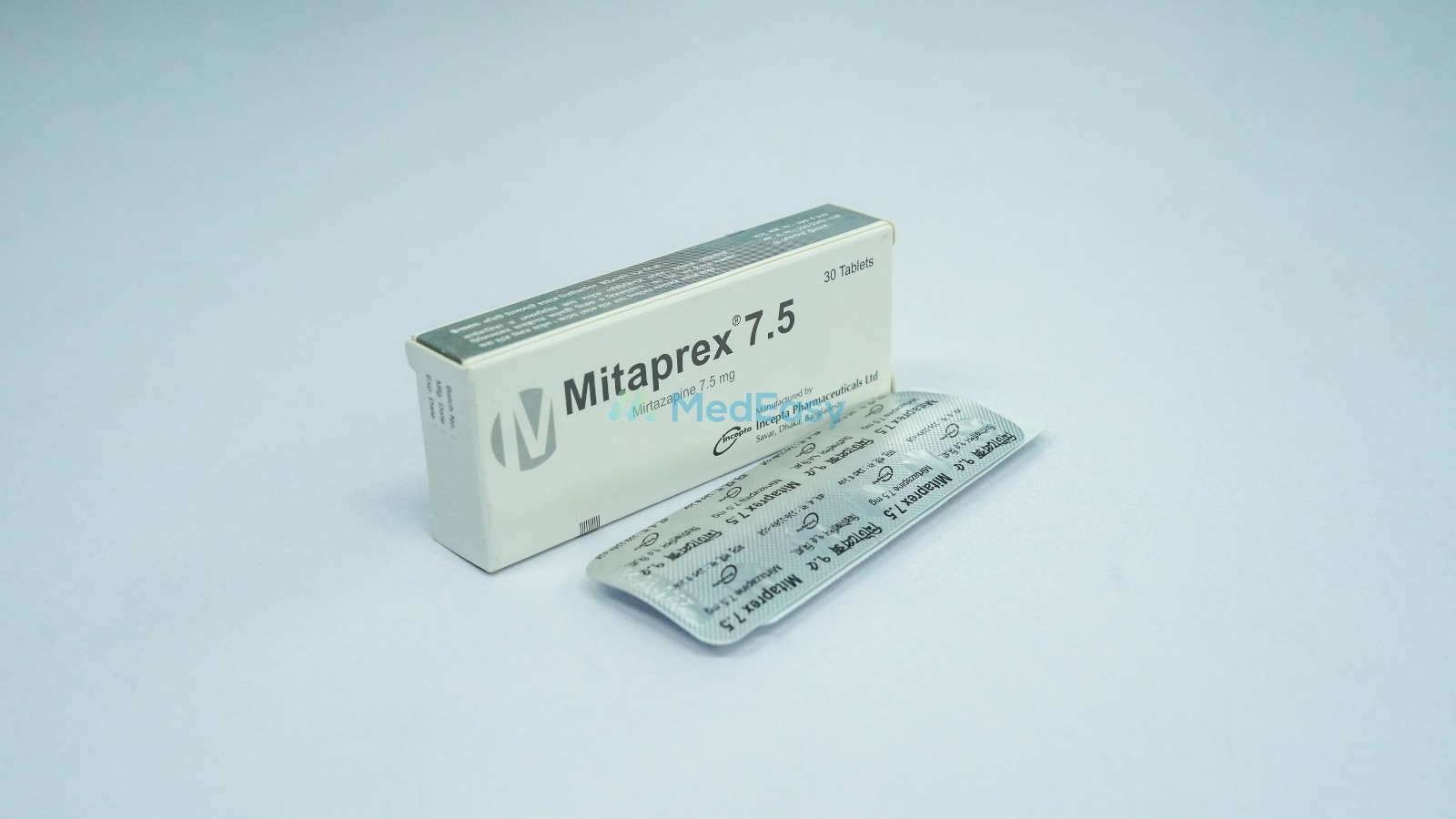
Generic medicine

Mirtazapine: Brands, Price & Uses in Bangladesh

Mirtazapine is an atypical antidepressant with the following evidence-based uses: Established / FDA-approved use Major Depressive Disorder (MDD) in adults — Mirtazapine is indicated for the…

Forms:Tablet

About Mirtazapine

Indications of Mirtazapine

Mirtazapine is an atypical antidepressant with the following evidence-based uses:

Established / FDA-approved use

  • Major Depressive Disorder (MDD) in adults — Mirtazapine is indicated for the treatment of major depressive disorder, based on controlled clinical trials in adult outpatients and inpatients meeting standard diagnostic criteria for depression.

Common off-label uses (not FDA-approved, but supported by clinical practice/limited evidence)

  • Insomnia associated with depression, due to its sedating properties (usually at lower doses).
  • Adjunct treatment for anxiety symptoms accompanying depression.
  • Off-label use as an appetite stimulant in patients with poor appetite or unintended weight loss (e.g., in some cancer or elderly patients), based on its known side effect of increased appetite.
  • Adjunctive use in treatment-resistant depression in combination with other antidepressants, under specialist supervision.

Use of Mirtazapine for any indication should be individualized and supervised by a physician.

Dosage & Administration of Mirtazapine

Dosage of Mirtazapine should be individualized under medical supervision based on response and tolerability.

IndicationPopulationTypical Dosage
Major Depressive DisorderAdultsInitiate at 15 mg once daily, preferably in the evening before sleep. May be increased at intervals of 1–2 weeks up to a usual maximum of 45 mg/day, based on response and tolerability.
Major Depressive DisorderElderly patientsUse the lower end of the dosing range; titrate cautiously due to reduced clearance and increased sensitivity to side effects.
Major Depressive DisorderHepatic or renal impairmentClearance is reduced; start at a lower dose and titrate slowly with close monitoring.
Any indicationChildren/adolescents (<18 years)Not approved; safety and efficacy have not been established (see Pediatric Uses).

Do not stop Mirtazapine abruptly after prolonged use; discontinuation should be gradual and supervised by a physician to reduce the risk of discontinuation symptoms.

Side Effects of Mirtazapine

The most commonly reported side effects of Mirtazapine include:

  • Somnolence/sedation (very common, especially early in treatment)
  • Increased appetite and weight gain
  • Dry mouth
  • Dizziness
  • Constipation
  • Fatigue/asthenia
  • Abnormal dreams

Serious side effects requiring prompt medical attention

  • Agranulocytosis/neutropenia: A rare but potentially serious drop in white blood cell count. Seek prompt medical attention for fever, sore throat, mouth ulcers, or other signs of infection while on Mirtazapine, and periodic blood counts may be advised.
  • Serotonin syndrome when combined with other serotonergic drugs (see Interactions).
  • Orthostatic hypotension — dizziness or fainting on standing (see Precautions).
  • Increased suicidal thoughts, especially in children, adolescents, and young adults (see Precautions).
  • Rare mania/hypomania activation.
  • Rare seizures.

Contraindications of Mirtazapine

Mirtazapine is contraindicated in:

  • Patients with known hypersensitivity to Mirtazapine or any component of the formulation.
  • Patients taking, or who have taken within the preceding 14 days, a monoamine oxidase inhibitor (MAOI); Mirtazapine should not be started within 14 days of stopping an MAOI, and an MAOI should not be started within 14 days of stopping Mirtazapine, due to the risk of serious, potentially fatal reactions.

Frequently Asked Questions about Mirtazapine

What is Mirtazapine used for?

Mirtazapine is an atypical antidepressant used mainly to treat major depressive disorder (MDD) in adults. It is sometimes also used off-label to help with insomnia or poor appetite associated with depression, due to its sedating and appetite-stimulating effects.

How long does it take for Mirtazapine to work?

Some people notice improved sleep and appetite within the first 1–2 weeks of taking Mirtazapine, but the full antidepressant effect on mood typically takes 2–4 weeks or longer. It is important to continue taking Mirtazapine as prescribed even if improvement is not immediate, and not to stop it without consulting a physician.

Why does Mirtazapine cause weight gain and sleepiness?

Mirtazapine blocks histamine (H1) receptors in the brain, which commonly causes sedation and increased appetite. This is why it is usually taken in the evening, and why some patients experience weight gain during treatment. Discuss significant weight changes with your physician.

Can I take Mirtazapine with other antidepressants or migraine medicines?

Mirtazapine must never be combined with, or used within 14 days of, a monoamine oxidase inhibitor (MAOI), due to the risk of a serious and potentially fatal reaction called serotonin syndrome. Combining Mirtazapine with other serotonergic medicines, such as SSRIs, SNRIs, or triptans used for migraine, can also increase the risk of serotonin syndrome, so always inform your physician of all medicines you are taking before starting Mirtazapine.

Is it safe to stop taking Mirtazapine suddenly?

No. Mirtazapine should not be stopped abruptly after regular use, as this can cause discontinuation symptoms such as dizziness, nausea, irritability, or anxiety. Always taper the dose gradually under a physician's supervision.

What should I watch for regarding rare but serious side effects of Mirtazapine?

Rarely, Mirtazapine can cause a serious drop in white blood cell count (agranulocytosis), so seek prompt medical attention if you develop fever, sore throat, mouth ulcers, or other signs of infection while taking Mirtazapine. Also seek help immediately for symptoms of serotonin syndrome (agitation, rapid heartbeat, muscle rigidity, high fever) or worsening mood/suicidal thoughts, especially in younger patients.

Disclaimer

The information provided is accurate to the best of our knowledge, but it does not replace professional medical advice. We cannot guarantee its completeness or accuracy, and the absence of specific information about a drug should not be taken as an endorsement. We are not responsible for any consequences arising from this information, so please consult a healthcare professional for any concerns or questions.

DoctorBlogArticles