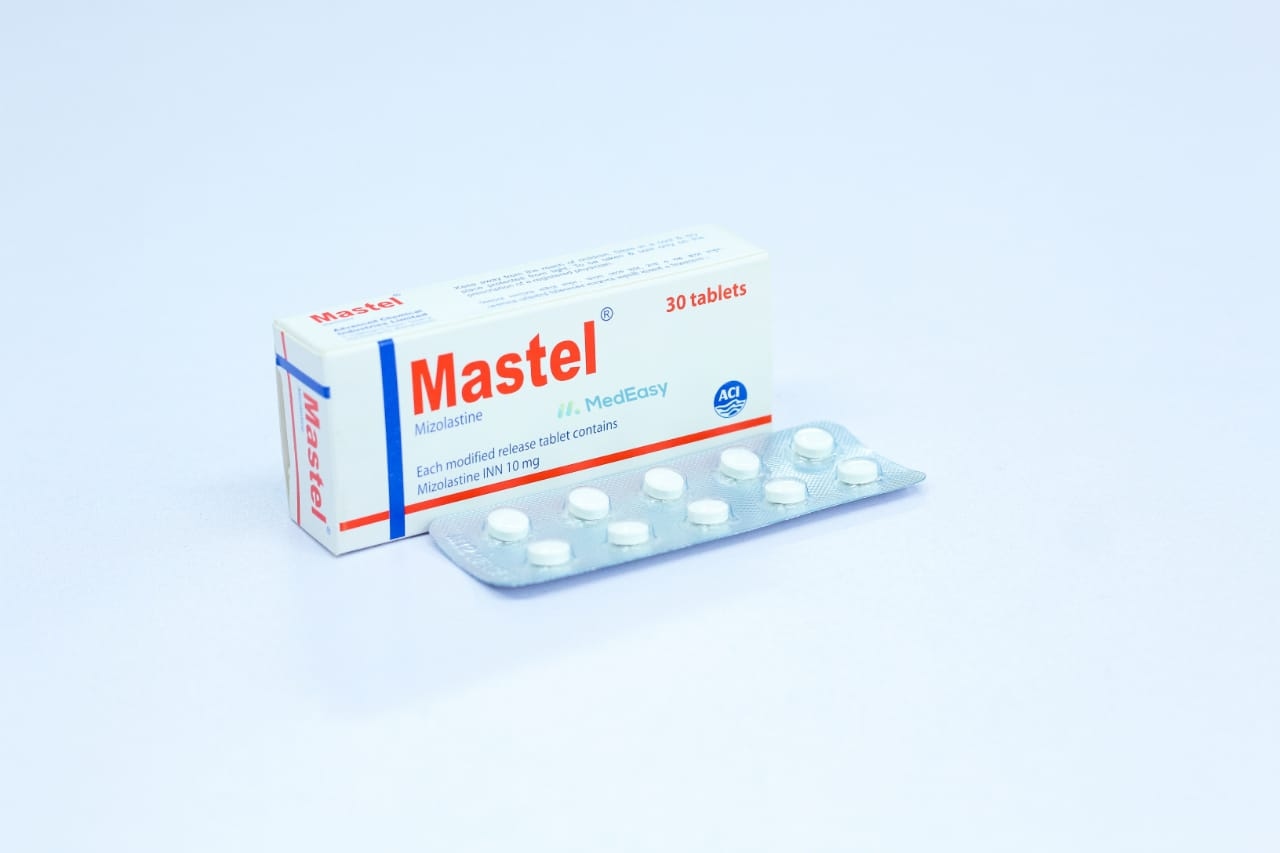
Generic medicine

Mizolastine: Brands, Price & Uses in Bangladesh

Mizolastine is a second-generation (non-sedating) H1-antihistamine used for the symptomatic relief of allergic conditions.

Forms:TabletTablet (Modified Release)

About Mizolastine

Indications of Mizolastine

Mizolastine is a second-generation (non-sedating) H1-antihistamine used for the symptomatic relief of allergic conditions. Its evidence-based uses include:

  • Established/guideline-supported use: Symptomatic treatment of seasonal allergic rhinitis (hay fever) and perennial allergic rhinitis, including relief of sneezing, rhinorrhea, nasal itching, and ocular itching associated with these conditions.
  • Established/guideline-supported use: Symptomatic relief of chronic idiopathic urticaria, including reduction of pruritus (itching) and number/size of wheals.

Mizolastine is a symptomatic treatment only; it does not address the underlying cause of allergic disease and is not indicated for the treatment of acute anaphylaxis or bronchospasm.

Dosage & Administration of Mizolastine

Allergic Rhinitis (Seasonal and Perennial)

PopulationRecommended Dose
Adults and adolescents ≥ 12 yearsMizolastine 10 mg orally once daily
Children under 12 yearsNot recommended; safety and efficacy not established

Chronic Idiopathic Urticaria

PopulationRecommended Dose
Adults and adolescents ≥ 12 yearsMizolastine 10 mg orally once daily

Special Populations

  • Elderly: No specific dose adjustment is generally required, but use with caution given increased susceptibility to cardiac conduction effects.
  • Renal impairment: Data are limited; use with caution, particularly in moderate-to-severe impairment.
  • Hepatic impairment: Contraindicated in significant/severe hepatic impairment (see Contraindications); use with caution if mild impairment is present, under physician supervision.

Side Effects of Mizolastine

FrequencySide Effects
CommonDrowsiness (mild), dry mouth, headache, fatigue, dizziness
UncommonWeight gain, gastrointestinal upset (nausea, abdominal discomfort)
Rare but seriousCardiac rhythm disturbances, including QT-interval prolongation and, rarely, ventricular arrhythmia (torsades de pointes), particularly when contraindicated combinations are used; hypersensitivity reactions including angioedema and skin rash

Patients should seek prompt medical attention for palpitations, fainting, or signs of an allergic reaction while taking Mizolastine.

Contraindications of Mizolastine

Mizolastine is contraindicated in the following situations, which are true absolute contraindications:

  • Known hypersensitivity to Mizolastine or any component of the formulation.
  • History of cardiac rhythm disorders, including congenital or acquired QT-interval prolongation.
  • Significant (severe) hepatic impairment.
  • Concurrent use with drugs known to prolong the QT interval.
  • Concurrent use with potent CYP3A4 inhibitors, such as macrolide antibiotics (e.g., erythromycin) or azole antifungals (e.g., ketoconazole, itraconazole), due to increased risk of arrhythmia.

Frequently Asked Questions about Mizolastine

What is Mizolastine used for?

Mizolastine is used to relieve symptoms of allergic rhinitis (sneezing, runny nose, itchy nose/eyes) and chronic idiopathic urticaria (itching and hives), in adults and adolescents 12 years and older.

How should I take Mizolastine?

Take Mizolastine 10 mg by mouth once daily, preferably before the evening meal, at about the same time each day. Do not take more than the prescribed dose.

Who should not take Mizolastine?

Mizolastine should not be used by people with a known allergy to it, a history of cardiac rhythm disorders or QT-interval prolongation, significant liver impairment, or who are taking other medicines that prolong the QT interval or strong CYP3A4 inhibitors such as ketoconazole, itraconazole, or erythromycin, because combining these increases the risk of a serious heart rhythm problem.

Can Mizolastine be used during pregnancy or breastfeeding?

Data on the use of Mizolastine in pregnancy are insufficient, so it should be used only if clearly needed and if the potential benefit outweighs the potential risk to the fetus, after consulting a physician. Breastfeeding is not recommended during treatment with Mizolastine unless a physician advises otherwise.

Does Mizolastine cause drowsiness?

Mizolastine is a non-sedating, second-generation antihistamine and causes less drowsiness than older antihistamines, but it is not completely free of central nervous system effects, so individuals should judge their own response before driving or operating machinery.

What should I do if I take too much Mizolastine?

If an overdose of Mizolastine is suspected, seek immediate medical attention or contact emergency services/poison control, because overdose can increase the risk of a serious heart rhythm disturbance requiring monitoring and supportive care.

Disclaimer

The information provided is accurate to the best of our knowledge, but it does not replace professional medical advice. We cannot guarantee its completeness or accuracy, and the absence of specific information about a drug should not be taken as an endorsement. We are not responsible for any consequences arising from this information, so please consult a healthcare professional for any concerns or questions.
DoctorBlogArticles