
Generic medicine

Mucopolysaccharide Polysulphate + Salicylic Acid: Brands, Price & Uses in Bangladesh

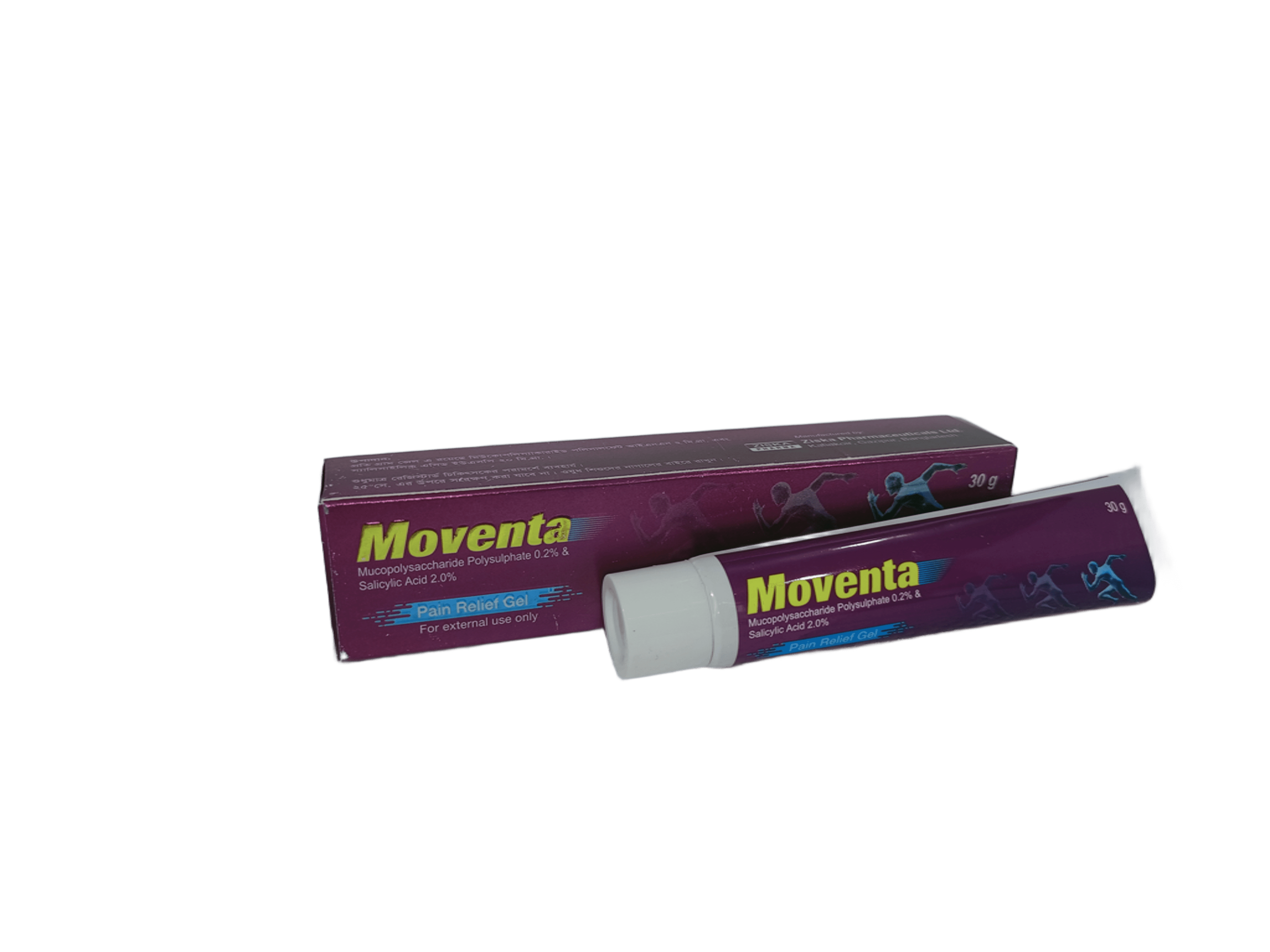
Mucopolysaccharide Polysulphate + Salicylic Acid is a topical combination preparation (heparinoid-type mucopolysaccharide polysulphate plus the keratolytic agent salicylic acid) used for the local…

Forms:Topical Gel

About Mucopolysaccharide Polysulphate + Salicylic Acid

Indications of Mucopolysaccharide Polysulphate + Salicylic Acid

Mucopolysaccharide Polysulphate + Salicylic Acid is a topical combination preparation (heparinoid-type mucopolysaccharide polysulphate plus the keratolytic agent salicylic acid) used for the local management of superficial venous and soft-tissue inflammatory conditions.

Established/commonly accepted topical uses

  • Superficial thrombophlebitis (inflammation of a superficial vein, with or without a small clot)
  • Resolution support for hematomas, bruises (contusions), and localized soft-tissue swelling following minor trauma or injections/infusions
  • Localized inflammation, pain, and edema associated with sprains, strains, and soft-tissue injuries, as an adjunct to standard care (rest, compression, elevation)

Adjunct / supportive use

  • As an adjunct alongside standard first-aid measures (rest, ice/compression, elevation) for minor sports injuries and localized swelling; not a substitute for evaluation of significant trauma.

Mucopolysaccharide Polysulphate + Salicylic Acid is intended for local, external use on intact skin only; it is not indicated for deep vein thrombosis, systemic anticoagulation, or for use on open wounds or infected skin.

Dosage & Administration of Mucopolysaccharide Polysulphate + Salicylic Acid

Dosage

IndicationRecommended Use
Superficial thrombophlebitis, hematoma, bruisingApply a thin layer of Mucopolysaccharide Polysulphate + Salicylic Acid to the affected area 2-3 times daily and gently massage until absorbed, until symptoms resolve.
Localized soft-tissue swelling/inflammation (sprains, strains, minor injuries)Apply a thin layer 2-3 times daily to the affected area as an adjunct to rest, compression, and elevation.

Administration

  • For external (topical) use only. Not for oral, ophthalmic, or mucosal use.
  • Apply only to clean, intact (unbroken) skin; do not apply to open wounds, cuts, sores, or infected skin.
  • Use only a thin layer over the affected area; avoid applying to a large body surface area, especially in children (see Precautions and Warnings).
  • Wash hands after application unless the hands are the area being treated.
  • Avoid contact with eyes, mouth, and other mucous membranes; if accidental contact occurs, rinse thoroughly with water.
  • Do not cover the application site with an occlusive (airtight) dressing unless directed by a physician, as this increases systemic absorption of salicylic acid.

Side Effects of Mucopolysaccharide Polysulphate + Salicylic Acid

Mucopolysaccharide Polysulphate + Salicylic Acid is generally well tolerated when used as directed. Reported side effects are typically local and mild:

  • Local skin irritation, burning, or stinging at the application site
  • Erythema (redness) or mild rash
  • Itching (pruritus)
  • Contact dermatitis with prolonged or repeated use
  • Rarely, allergic hypersensitivity reactions (localized swelling, urticaria)
  • With excessive application over large areas, signs of systemic salicylate absorption (see Overdose Effects)

Discontinue use and consult a physician if severe irritation, blistering, or signs of an allergic reaction develop.

Contraindications of Mucopolysaccharide Polysulphate + Salicylic Acid

Mucopolysaccharide Polysulphate + Salicylic Acid is contraindicated in:

  • Known hypersensitivity to mucopolysaccharide polysulphate, salicylic acid, salicylates, or any other component of the formulation.
  • Application to open wounds, broken or ulcerated skin, or actively bleeding sites (not for use on non-intact skin).
  • Application to actively infected skin lesions.

Frequently Asked Questions about Mucopolysaccharide Polysulphate + Salicylic Acid

What is Mucopolysaccharide Polysulphate + Salicylic Acid used for?

Mucopolysaccharide Polysulphate + Salicylic Acid is a topical gel/ointment used to help relieve superficial thrombophlebitis (inflamed superficial vein), hematomas, bruises, and localized soft-tissue swelling and inflammation after minor injuries.

How should I apply Mucopolysaccharide Polysulphate + Salicylic Acid?

Apply a thin layer of Mucopolysaccharide Polysulphate + Salicylic Acid to the affected area 2-3 times daily and gently massage until absorbed, or as directed by your physician. Use it only on clean, intact skin.

Can Mucopolysaccharide Polysulphate + Salicylic Acid be used on open wounds or broken skin?

No. Mucopolysaccharide Polysulphate + Salicylic Acid should not be applied to open wounds, broken or ulcerated skin, or actively bleeding areas; it is intended for use on intact skin only.

Is Mucopolysaccharide Polysulphate + Salicylic Acid safe to use in children?

Mucopolysaccharide Polysulphate + Salicylic Acid should be used in children only with caution, over a small area, and for the shortest necessary duration, since the salicylic acid component can be absorbed through the skin and cause systemic toxicity in children more readily than in adults. Consult a physician before use in a child.

Is Mucopolysaccharide Polysulphate + Salicylic Acid safe during pregnancy or breastfeeding?

There are no well-controlled studies of Mucopolysaccharide Polysulphate + Salicylic Acid in pregnancy or breastfeeding. Because salicylic acid can be absorbed systemically, Mucopolysaccharide Polysulphate + Salicylic Acid should be used in pregnancy or lactation only if clearly needed, over a small area, and only after consulting a physician.

What should I do if I accidentally get Mucopolysaccharide Polysulphate + Salicylic Acid in my eyes or notice severe irritation?

Rinse the eyes thoroughly with water if accidental contact occurs. If severe skin irritation, blistering, or an allergic reaction develops, stop using Mucopolysaccharide Polysulphate + Salicylic Acid and consult a physician.

Disclaimer

The information provided is accurate to the best of our knowledge, but it does not replace professional medical advice. We cannot guarantee its completeness or accuracy, and the absence of specific information about a drug should not be taken as an endorsement. We are not responsible for any consequences arising from this information, so please consult a healthcare professional for any concerns or questions.
DoctorBlogArticles