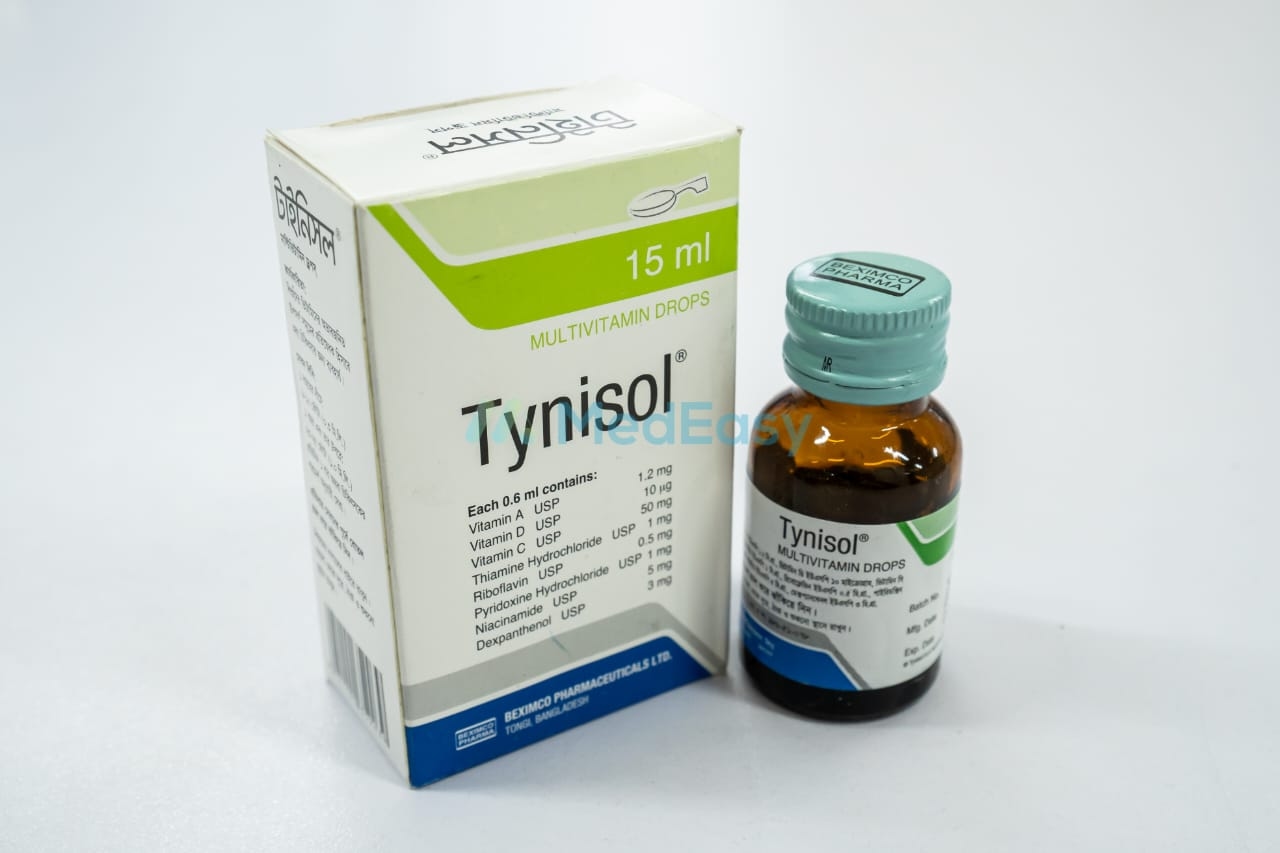
Generic medicine

Multivitamin [Pediatric preparation]: Brands, Price & Uses in Bangladesh

Multivitamin [Pediatric preparation] is indicated for the prevention and treatment of vitamin and mineral deficiency in infants and children.

Forms:Pediatric Drops

About Multivitamin [Pediatric preparation]

Indications of Multivitamin [Pediatric preparation]

Multivitamin [Pediatric preparation] is indicated for the prevention and treatment of vitamin and mineral deficiency in infants and children. Established/guideline-supported uses include:

  • Nutritional supplementation in children with inadequate dietary intake (picky eaters, restricted or selective diets, vegetarian/vegan diets).
  • Support of increased nutritional requirements during periods of rapid growth, convalescence after illness or surgery, or chronic illness affecting nutrient intake or absorption.
  • Prevention of specific vitamin deficiencies (e.g. vitamin D deficiency in exclusively breastfed infants, as advised by a pediatrician) as part of routine well-child care.
  • Adjunct nutritional support in children with malabsorption conditions (e.g. cystic fibrosis, celiac disease) under medical supervision, where specific formulations and monitoring are required.

Multivitamin [Pediatric preparation] is not a substitute for a balanced diet and should be used as directed by a physician or pediatrician, particularly for infants and young children.

Dosage & Administration of Multivitamin [Pediatric preparation]

Dosage of Multivitamin [Pediatric preparation] should be individualized by age, weight, and the specific product formulation, and given strictly according to the physician's advice or the product label. Representative age-based dosing (formulation-dependent) is summarized below; always confirm against the specific product's approved labeling.

Age groupTypical dosing (formulation-dependent)
Infants (0–12 months)Oral drops, typically 0.3–1 mL once daily, as advised by pediatrician
Children 1–3 yearsSyrup, typically 5 mL once daily, or age-appropriate chewable tablet dose
Children 4–12 yearsSyrup 5–10 mL once daily, or 1 chewable tablet once daily, per product label

Administration: Give with or after food to improve absorption of fat-soluble vitamins and reduce the chance of stomach upset. Use the calibrated dropper/measuring cup supplied with the product for liquid formulations; do not use household spoons. Do not exceed the recommended dose. Consult a physician before use in infants under 6 months of age or before combining with other vitamin/mineral supplements.

Side Effects of Multivitamin [Pediatric preparation]

Multivitamin [Pediatric preparation] is generally well tolerated when taken at recommended pediatric doses. Reported side effects include:

  • Common: Mild gastrointestinal upset (nausea, stomach discomfort, constipation, or loose stools), and altered stool color (if the product contains iron).
  • Uncommon: Allergic reactions (skin rash, itching) to a component of the formulation.
  • With excessive/inappropriate dosing (overdose): Symptoms of hypervitaminosis A (headache, irritability, vomiting, bulging fontanelle in infants, skin peeling) or hypervitaminosis D (hypercalcemia — nausea, vomiting, weakness, excessive thirst, constipation). See Overdose Effects.

Because pediatric formulations are often flavored and chewable, accidental ingestion of large quantities by a child poses a genuine overdose risk; see Precautions and Warnings.

Contraindications of Multivitamin [Pediatric preparation]

Multivitamin [Pediatric preparation] is contraindicated in:

  • Known hypersensitivity to any active ingredient or excipient of the specific Multivitamin [Pediatric preparation] formulation.
  • Children with pre-existing hypervitaminosis A or hypervitaminosis D, or conditions predisposing to hypercalcemia, in whom additional vitamin A or D supplementation is contraindicated.

Frequently Asked Questions about Multivitamin [Pediatric preparation]

What is Multivitamin [Pediatric preparation] used for?

Multivitamin [Pediatric preparation] is used to prevent or treat vitamin deficiency in infants and children, and to provide nutritional support for children with poor dietary intake, increased nutritional needs, or specific medical conditions, as advised by a pediatrician.

Can Multivitamin [Pediatric preparation] replace a healthy diet?

No. Multivitamin [Pediatric preparation] is intended to supplement, not replace, a balanced and varied diet. It should be used alongside good nutrition, not instead of it.

Is it safe to give my child more than the recommended dose of Multivitamin [Pediatric preparation]?

No. Giving more than the recommended dose is not safe and can lead to vitamin toxicity, particularly hypervitaminosis A or D, which can cause symptoms such as vomiting, irritability, headache, and in severe cases more serious effects. Always follow the age/weight-based dose on the label or as prescribed by the physician.

What should I do if my child accidentally swallows a large amount of Multivitamin [Pediatric preparation]?

Seek immediate medical attention or contact a poison control center/emergency services right away. Do not attempt home treatment or induce vomiting without professional guidance. Bring the product packaging with you.

Can Multivitamin [Pediatric preparation] be given to infants under 6 months of age?

Use in infants under 6 months should only be done under the direct guidance of a pediatrician, as dosing in this age group requires careful medical judgment; safety and efficacy of unsupervised use in this age group are not established.

How should Multivitamin [Pediatric preparation] be stored?

Store at room temperature (below 30°C), away from light and moisture, with the container tightly closed. Keep out of reach and sight of children at all times, as flavored pediatric formulations can be mistaken for candy.

Disclaimer

The information provided is accurate to the best of our knowledge, but it does not replace professional medical advice. We cannot guarantee its completeness or accuracy, and the absence of specific information about a drug should not be taken as an endorsement. We are not responsible for any consequences arising from this information, so please consult a healthcare professional for any concerns or questions.

DoctorBlogArticles